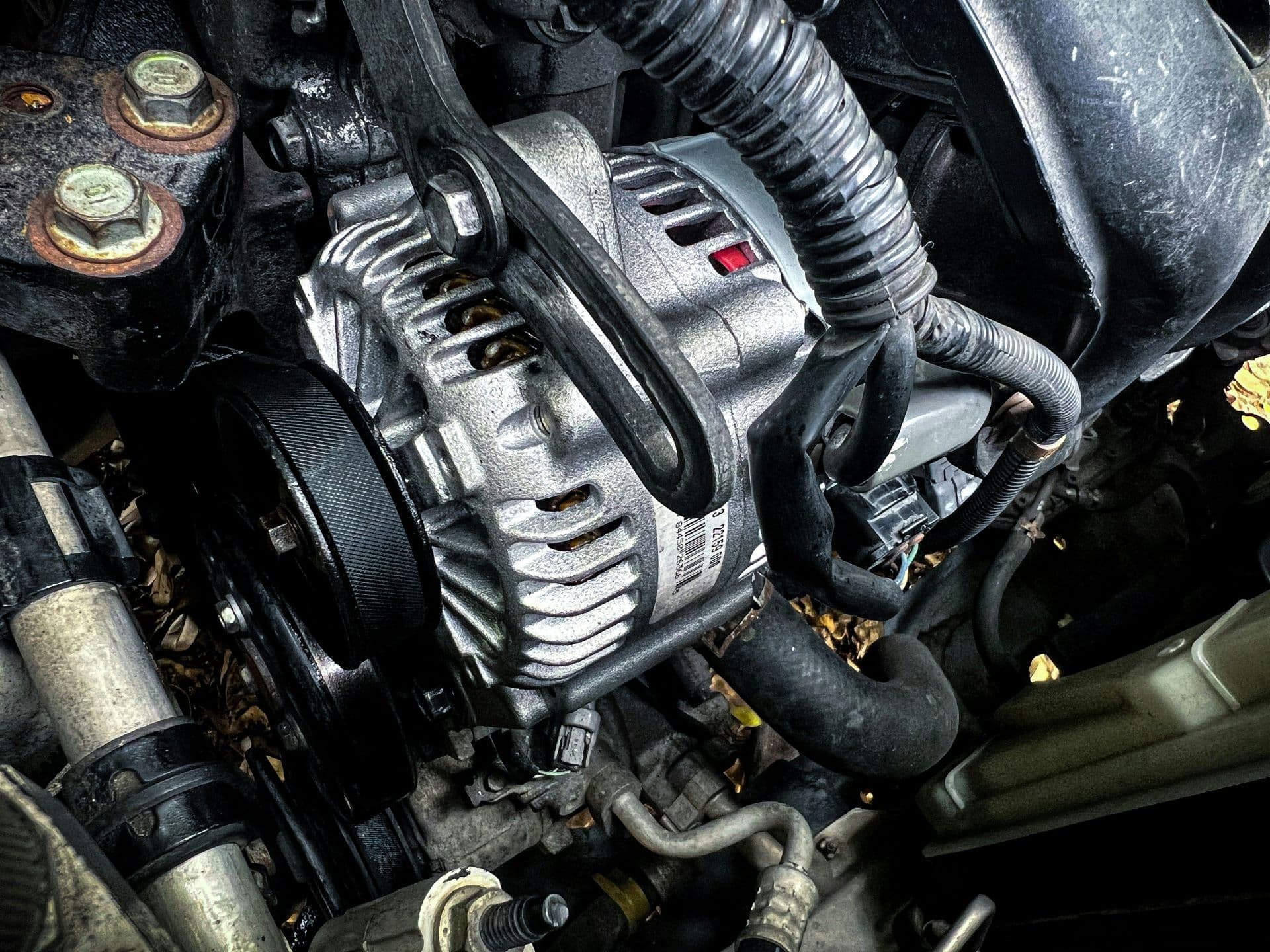
The global market for recycled automotive parts is expanding steadily as higher input costs, tightening environmental regulations and demand for more affordable vehicle repairs push more cars into the recycling stream.
These trends are accelerating the shift towards a more circular automotive economy, where reused components and recovered materials play a growing role.
According to a report by HTF Market Intelligence, the automotive parts recycling market was valued at about R322 billion (US$17.4 billion) in 2024. The report forecasts growth of roughly eight percent per year through to 2033, when the market is expected to reach nearly R555 billion (US$30 billion). The sector encompasses the dismantling of end-of-life vehicles, the recovery of usable parts and the recycling of materials such as metals and plastics.
North America is expected to remain the largest regional market over the forecast period. This is supported by well-established recycling infrastructure, strong insurer acceptance of recycled components in repair work and mature logistics networks. Europe also remains a key market, driven by European Union circular-economy legislation and extended producer responsibility rules.
The fastest growth is projected in the Asia-Pacific region. Rising vehicle ownership in countries such as China and India, combined with stricter emissions standards and vehicle disposal regulations, is increasing the volume of end-of-life vehicles entering the formal recycling systems. Governments across the region are also investing in modern dismantling and processing facilities to replace informal practices.
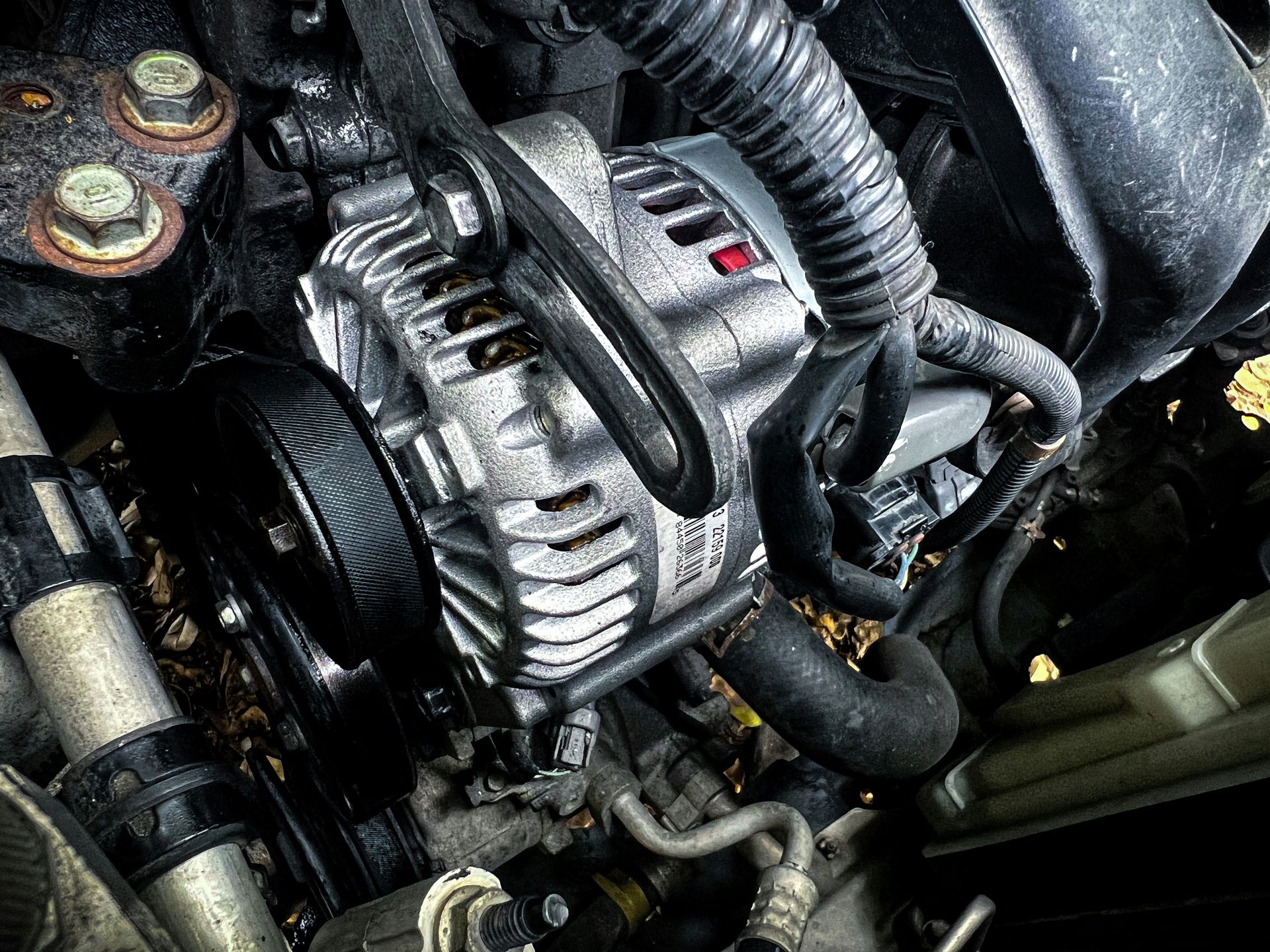
Metals account for the largest share of recycled automotive materials, with steel and aluminium, dominating due to their ease of recovery and high reuse value. Commonly recycled components include engines, gearboxes, electrical systems and body panels. Most demand comes from the automotive aftermarket, where recycled parts can be significantly cheaper than new components, helping motorists manage rising repair costs.
Technological advances are improving efficiency across the sector. Automation, advanced sorting technologies and digital inventory systems are boosting recovery rates and reducing processing costs. Online parts marketplaces are also making it easier for repairers to locate compatible recycled components quickly.
However, the HTF report highlights ongoing hurdles. Regulations remain uneven between regions; quality concerns persist among some buyers and recyclers must adapt to new vehicle technologies. The growing number of electric vehicles introduces complex issues around battery recovery, high-voltage safety and the recycling of lightweight and composite materials.
Despite these hurdles, recycled automotive parts are increasingly viewed as a strategic solution to resource scarcity, affordability pressures and environmental goals, positioning the sector for sustained long-term growth.
Staff Writer
Reporting from the front lines of the collision repair industry, delivering expert analysis and the technical updates that drive the African automotive sector forward.
More From News

Must Read: Competition Case in Botswana Could Reshape the Regional Repair Market
A Botswana competition case could influence insurer-repairer relationships and reshape vehicle repair markets across Southern Africa.

What drivers should look for when collecting a vehicle after collision repairs
Experts from South African Motor Body Repairers' Association explain how motorists can inspect their vehicle after collision repairs, covering panel gaps, paint finish and functionality checks.
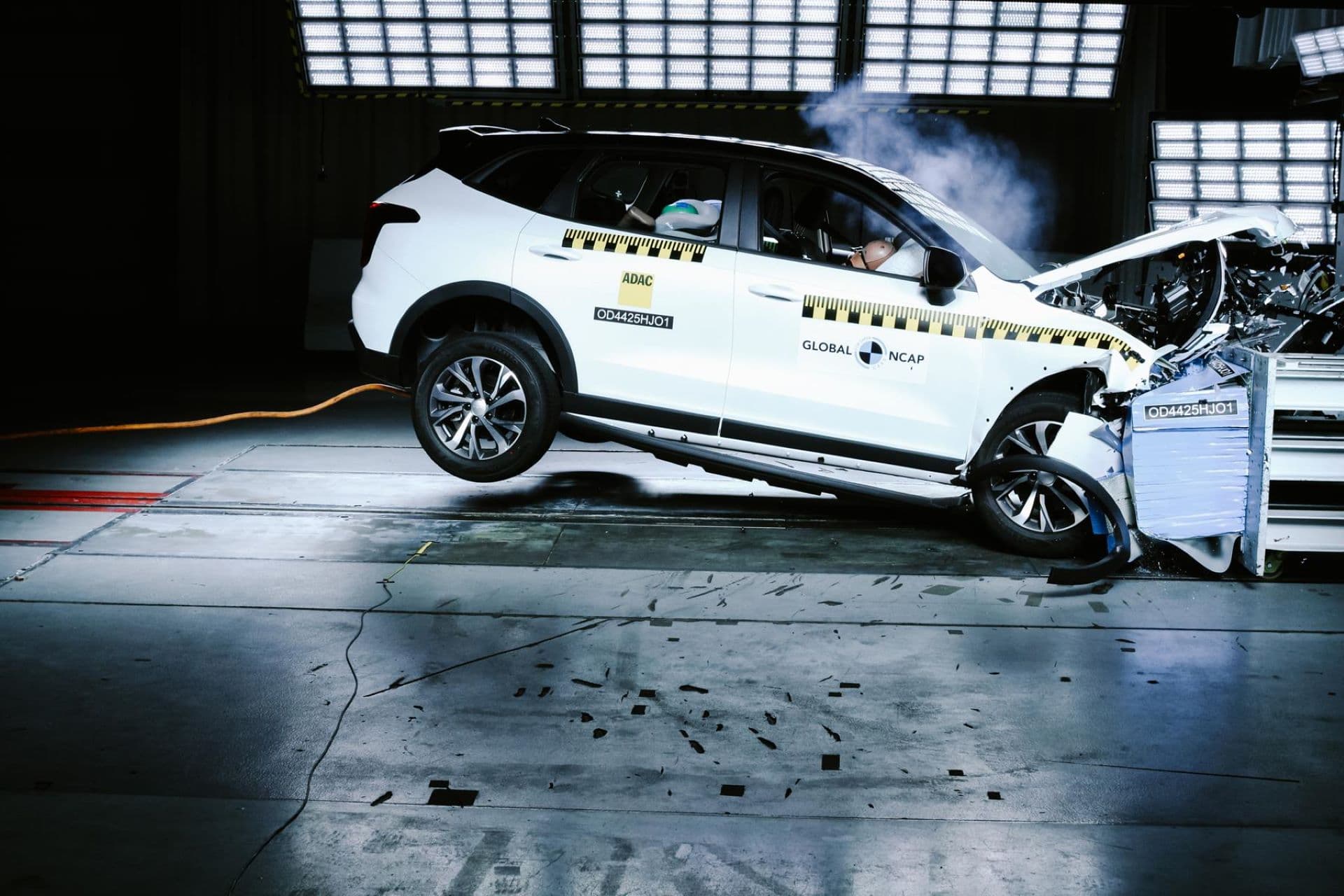
Entry-Level Cars Under Fire in Latest Crash Tests
South Africa’s entry-level cars face scrutiny after GNCAP crash tests reveal poor safety ratings for the Haval Jolion and Kia Sonet, prompting concern.
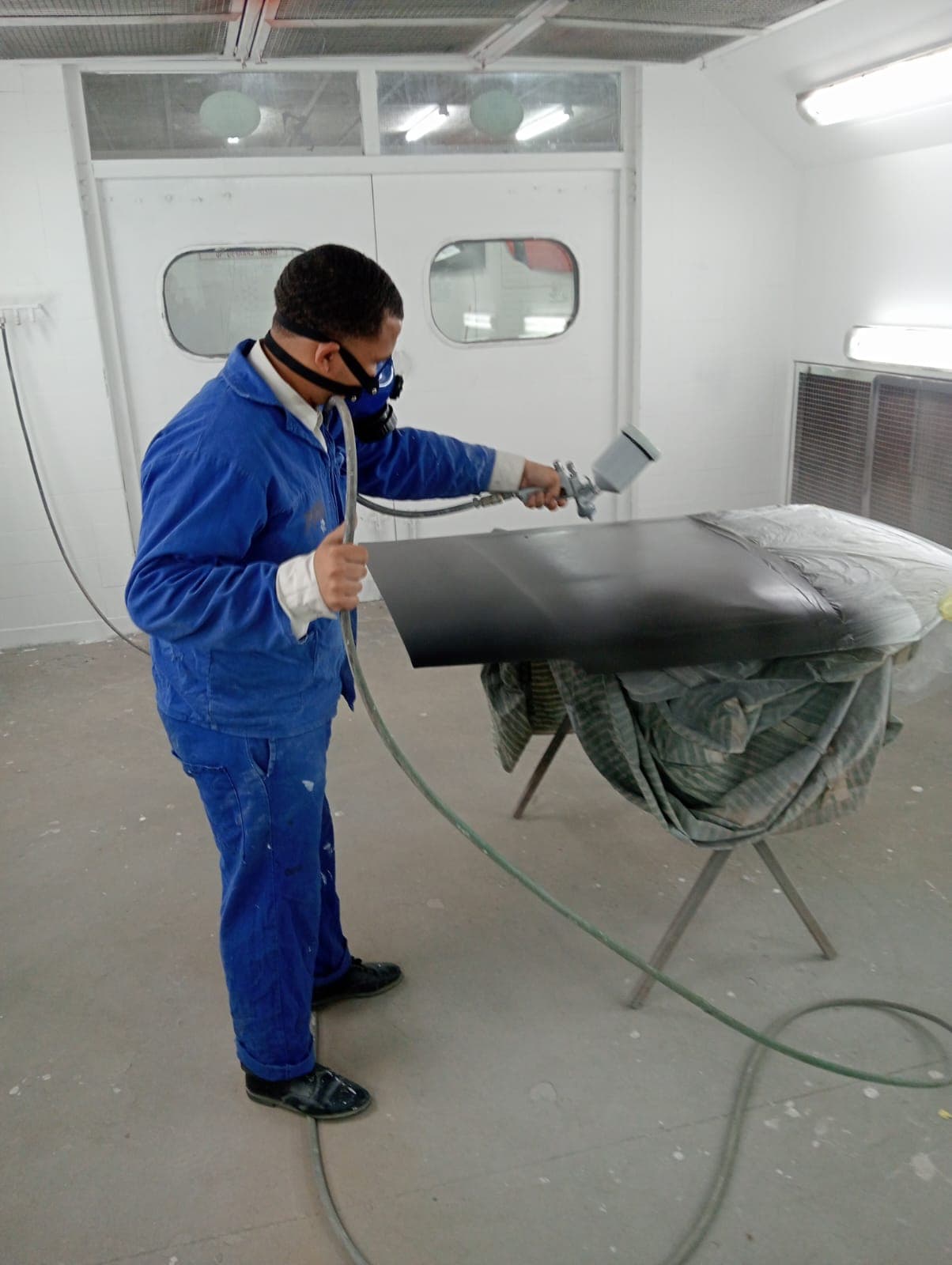
SAMBRA initiative puts young automotive talent in the spotlight
MIWA and SAMBRA host youth automotive competitions in Eastern Cape, offering training, hands-on experience and career pathways for young learners in 2026.

Hella returns to thermal management with long-term aftermarket push
Hella South Africa expands its thermal management range, targeting evolving vehicle technologies with 6,000+ SKUs planned by 2027.

Hino SA Honoured for Aftersales Excellence
Hino South Africa received two global awards for service and parts excellence, reinforcing its leadership in aftersales support.