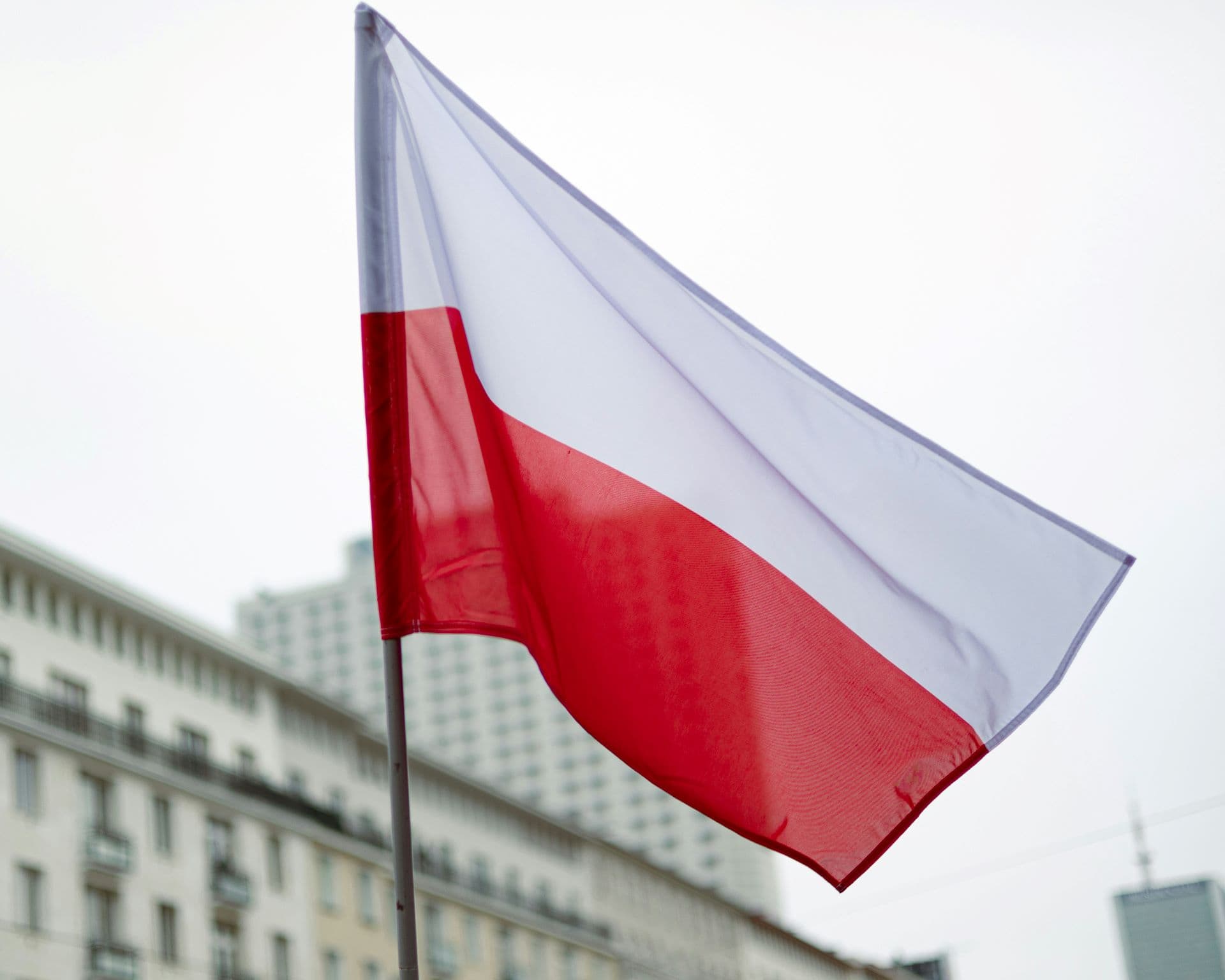
Poland is the seventh largest exporter of automotive parts globally, supplying components to major automotive brands worldwide, including manufacturers in the United States and South Africa.
The country's automotive industry has built its position on quality control, precision manufacturing, and engineering innovation. Polish suppliers compete with established international manufacturers on price and reliability.
"In the context of current geopolitical changes and possible disruption of supply chains from the Far East, Poland can be a reliable and stable partner for international markets, offering high quality and competitively priced products," said Paweł Orzechowski of the Polish Automotive Group.
Polish automotive companies recently participated in the AAPEX trade fair to expand their presence in the US market. The Polish Investment and Trade Agency (PAIH) has also been active in South Africa, organizing a trade mission to the NAACAM Show 2023, where Polish component producers connected with South African industry leaders to explore opportunities within local supply chains and localization initiatives. PAIH later organized a Polish National Stand at Automechanika Johannesburg in November 2024, featuring companies such as Stokota, CARLABIMMO, Novol, and Kamoka.
Industry Capabilities
Polish manufacturers operate modern production facilities that meet international automotive standards. The sector produces a range of products including aftermarket parts, emulators, automotive oils and chemicals, car accessories, LPG/CNG gas installation systems, and metalworking machinery. In 2024, the value of the remanufactured parts market in Poland reached PLN 1.7 billion, growing at a rate of 6.5% annually.
The industry has also moved into alternative fuel technologies and electric vehicle components. Polish companies are developing charging systems, zero-emission vehicles, and energy management software for both individual stations and fleet operations.
Poland has established itself as a European leader in LPG engine technology, with over 3.5 million LPG-powered vehicles representing nearly 13% of the country's car fleet. In 2024, more than 125,000 new vehicles with gas installations were registered in Poland—a figure several times higher than registrations of electric and plug-in hybrid cars.
LPG technology offers environmental benefits. Cars powered by LPG emit on average 12–23% less CO₂ than petrol vehicles, while nitrogen oxide emissions are reduced by 50–75%, and particulate matter by over 80%. Poland's LPG fleet saves approximately 1.16 million tons of CO₂ annually—equivalent to the yearly emissions of a city the size of Cape Town.
"Polish companies are developing advanced charging systems, zero-emission vehicles, and software for intelligent energy management," said Tomasz Bęben, President of the Association of Automotive Parts Distributors and Manufacturers (SDCM). "They manufacture equipment and offer parts and component solutions for clean mobility."
Government and Industry Support
The Polish Investment and Trade Agency (PAIH) provides support to automotive manufacturers expanding into foreign markets through its network of 60 foreign trade offices coordinated from Warsaw. The agency has organized Poland's presence at major international trade shows including NAACAM in South Africa and Automechanika Johannesburg in 2024, as well as AAPEX in the United States.
Industry organizations including the Polish Automotive Group and the Association of Automotive Parts Distributors and Manufacturers also assist companies with internationalization. SDCM is a member of CLEPA and FIGIEFA, two of Europe's top automotive industry organizations, giving Polish manufacturers a voice in shaping European automotive policies.
Poland's automotive sector employs workers across parts manufacturing, component refurbishment, and technology development, with products exported to markets across North America, Europe, Africa, and other regions. The combination of modern manufacturing capabilities, competitive pricing, and established trade connections positions Poland as a growing force in the global automotive supply chain.
Staff Writer
Reporting from the front lines of the collision repair industry, delivering expert analysis and the technical updates that drive the African automotive sector forward.
More From News
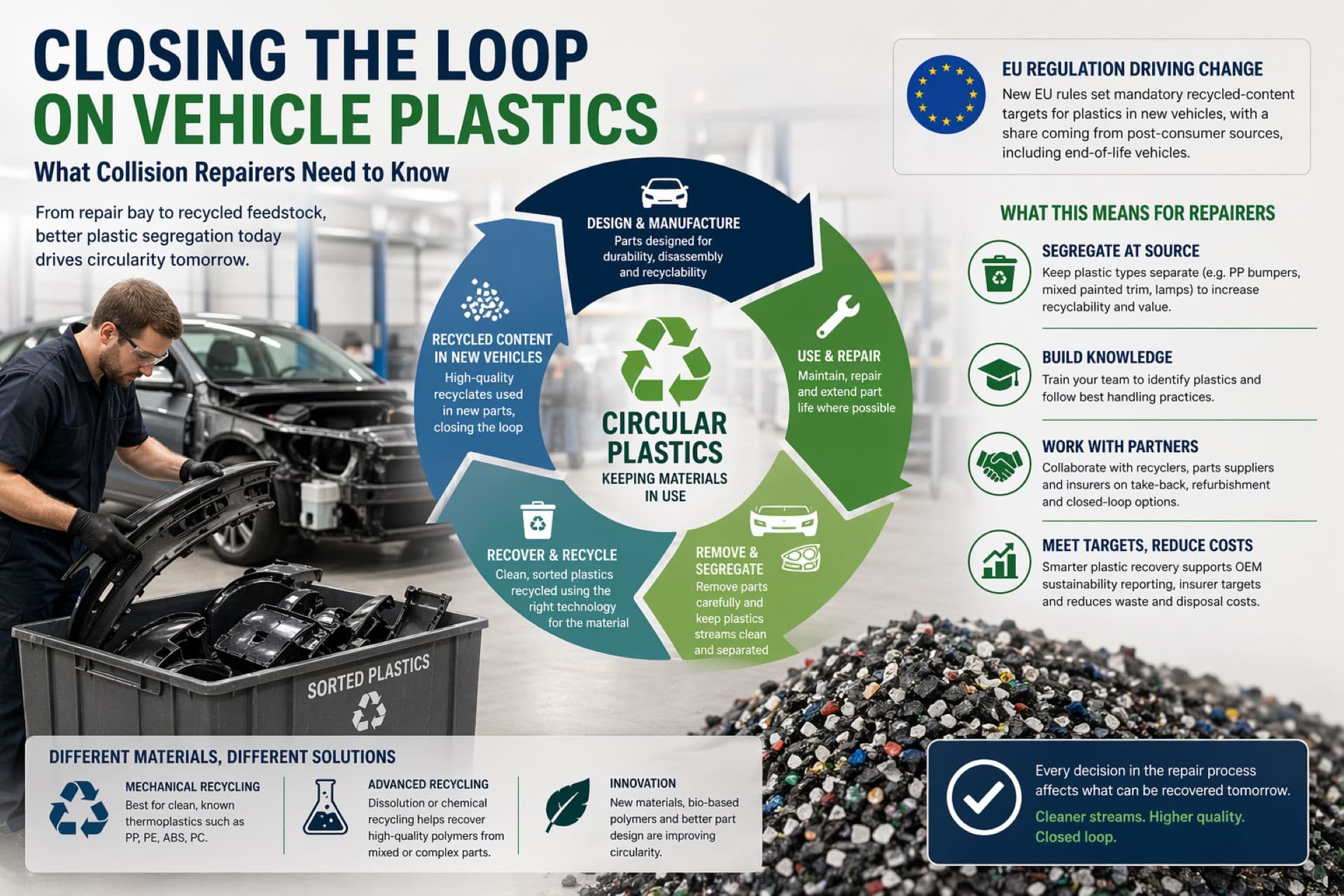
Closing the Loop on Vehicle Plastics: What Collision Repairers Need to Know
New EU rules are pushing vehicle makers and repairers toward plastics circularity, with rising recycled content targets and better end-of-life recovery

Zimbabwe Delegation Explores BAIC’s Role in Regional Automotive Growth
Zimbabwe’s automotive leaders visit BAIC South Africa to explore manufacturing, skills development, and regional industry collaboration.

What are SDVs and what do they mean for collision repair?
Software defined vehicles, or SDVs, are vehicles in which software rather than fixed hardware determines how most systems operate. Functions such...
Fuel price shock prompts insurer action to support South Africa’s repairers
South Africa’s motor body repair sector is under growing strain as sharp fuel price increases push operating costs higher, prompting some insurers...
KwaZulu-Natal’s Automotive Momentum looked at
Durban’s Automechanika CEO Breakfast highlighted KZN’s rising automotive role, export growth and EV investment, plus aftermarket development.

We Buy Cars Drives Youth Employment
South Africa’s challenge of youth unemployment remains pressing, but targeted initiatives are beginning to show tangible results. We Buy Cars, in...