
The Automotive Coalition for Traffic Safety (ACTS) President and Chief Executive Rob Strassburger recently demonstrated Driver Alcohol Detection System for Safety (DADSS) technology, which uses sensors to determine a driver's blood alcohol concentration (BAC) in the USA.
Strassburger showed how the sensor is mounted with a screen behind the steering wheel. He blows at the screen, and it indicates he has no BAC. If the screen turned red, it would indicate his BAC is above the legal limit to drive.
He said vehicle manufacturers and "eventually the government" will determine what intervention needs to take place when the device detects an illegal BAC.
The technology is ready to go to motor manufacturers after more than 10 years of research, Strassburger said.
The technology comes as new optimism is stirring, centred around a 2021 congressional directive to mandate anti-drunk driving technology in vehicles. The Department of Transportation's National Highway Traffic Safety Administration (NHTSA) has already missed a deadline to draft rules on the target.
Automakers, through ACTS, have joined NHTSA in a public-private partnership to design the technology through the Driver Alcohol Detection System for Safety programme.
The programme's mission is to invent, test, and deploy new alcohol detection technologies for widespread use in future vehicles. The goal is to develop technology that can passively detect when a driver is under the influence of alcohol and prevent a vehicle from moving if BAC is at or above the legal limit of 0.08. The breakthrough technology is designed to be fast, accurate, reliable, and affordable without affecting normal driving behaviour.
The hope is that the programme can one day eliminate drunk driving, which is the number one cause of fatalities in the United States.
Two different technologies are being developed. The first is the breath system, which Strassburger demonstrated. Sensors in the vehicle cabin draw in the driver's naturally exhaled breath, measuring alcohol concentration through infrared light. Unlike existing breathalysers, a forced deep lung sample into a mouthpiece is not required, making the system seamless and tamperproof. The breath system is also being designed to distinguish between the driver's breath and any passengers.
Another option would be a touch system that uses tissue spectroscopy to measure blood alcohol levels under the skin's surface using infrared light that shines into the driver's fingertip or palm. It is being designed to take multiple, accurate readings in a matter of seconds and will likely be integrated into current vehicle controls, such as the gear shift, starter button, or steering wheel.
A deadline for making passive breath sensors available to OEMs for consumer vehicles was set for this year. After the technology is made available to vehicle manufacturers, it will take at least one to two years for the system to appear in consumer vehicles.
DADSS # alcohol Detection # ACTS # BAC
Staff Writer
Reporting from the front lines of the collision repair industry, delivering expert analysis and the technical updates that drive the African automotive sector forward.
More From Motoring

Technology Bundles Deliver Major Safety Gains, New Analysis Shows
A growing body of evidence suggests that modern driver assistance technologies are significantly reducing road crashes, and new research into...
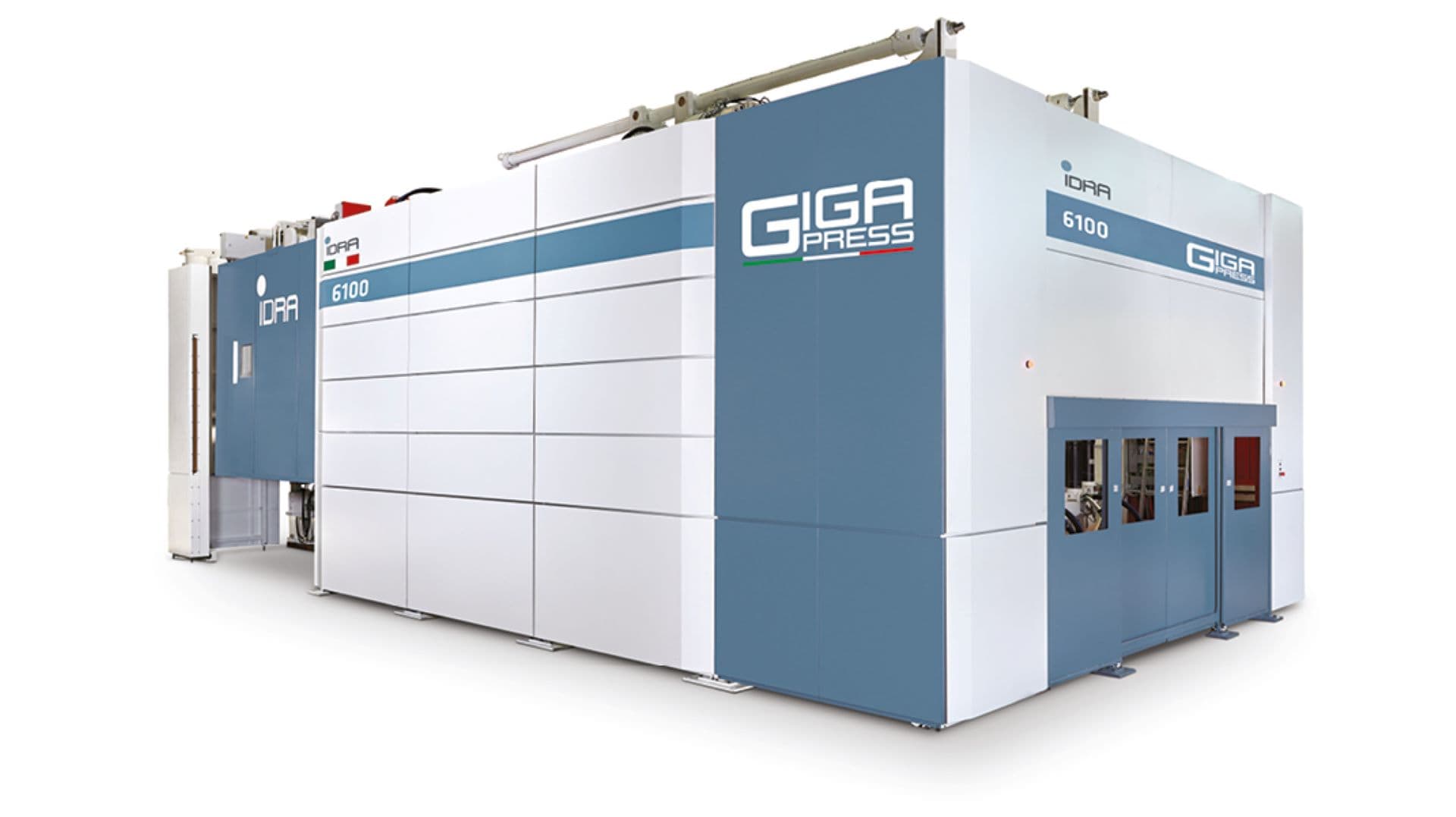
How Ford’s Shift to Megacasting Could Influence Vehicle Repair Costs
Ford Motor Company is planning to replace complex assemblies with giant, single-piece aluminium castings for its upcoming electric pickup. The...
The 9th Festival of Motoring is Here
The iconic Kyalami Grand Prix Circuit will once again come alive from 28–30 August 2026 as the Festival of Motoring (FoM), powered by WesBank...
Agibot Sets Its Sights on Europe as Humanoid Robot Competition Heats Up
Chinese robotics firm Agibot is accelerating its global expansion with a major push into Europe, partnering with automotive supplier Minth Group...
South Africa Embraces the New Era of Automotive Brands
South Africa’s automotive industry is undergoing a profound transformation. While traditional marques remain familiar and trusted, a growing...

BMW Expands Physical AI Innovation with New Leipzig Robotics Pilot
The BMW Group is strengthening its position as a leader in intelligent manufacturing with the launch of a new pilot project using humanoid robots...