The National Highway Traffic Safety Administration (NHTSA) operates the United States' official vehicle safety assessment programme, providing government-backed safety ratings that influence American automotive purchasing decisions. As part of the US Department of Transportation, NHTSA combines regulatory authority with consumer information services.
Regulatory Foundation
Unlike independent programmes such as Euro NCAP or ANCAP, NHTSA operates as a government agency with both regulatory and assessment responsibilities. This dual role provides unique authority to mandate safety improvements whilst educating consumers about vehicle safety performance.
NHTSA's regulatory powers enable enforcement of Federal Motor Vehicle Safety Standards (FMVSS), creating mandatory minimum safety requirements that complement the voluntary assessment programme.
Five-Star Rating System
NHTSA employs a straightforward five-star rating system covering three primary areas: frontal crash protection, side crash protection, and rollover resistance. This simplified approach aims to provide easily understood consumer information, though critics argue it lacks the comprehensiveness of other global programmes.
Recent updates have introduced additional categories including overall vehicle score calculations and enhanced rollover assessment protocols, reflecting evolving understanding of crash dynamics and injury mechanisms.
Testing Protocols
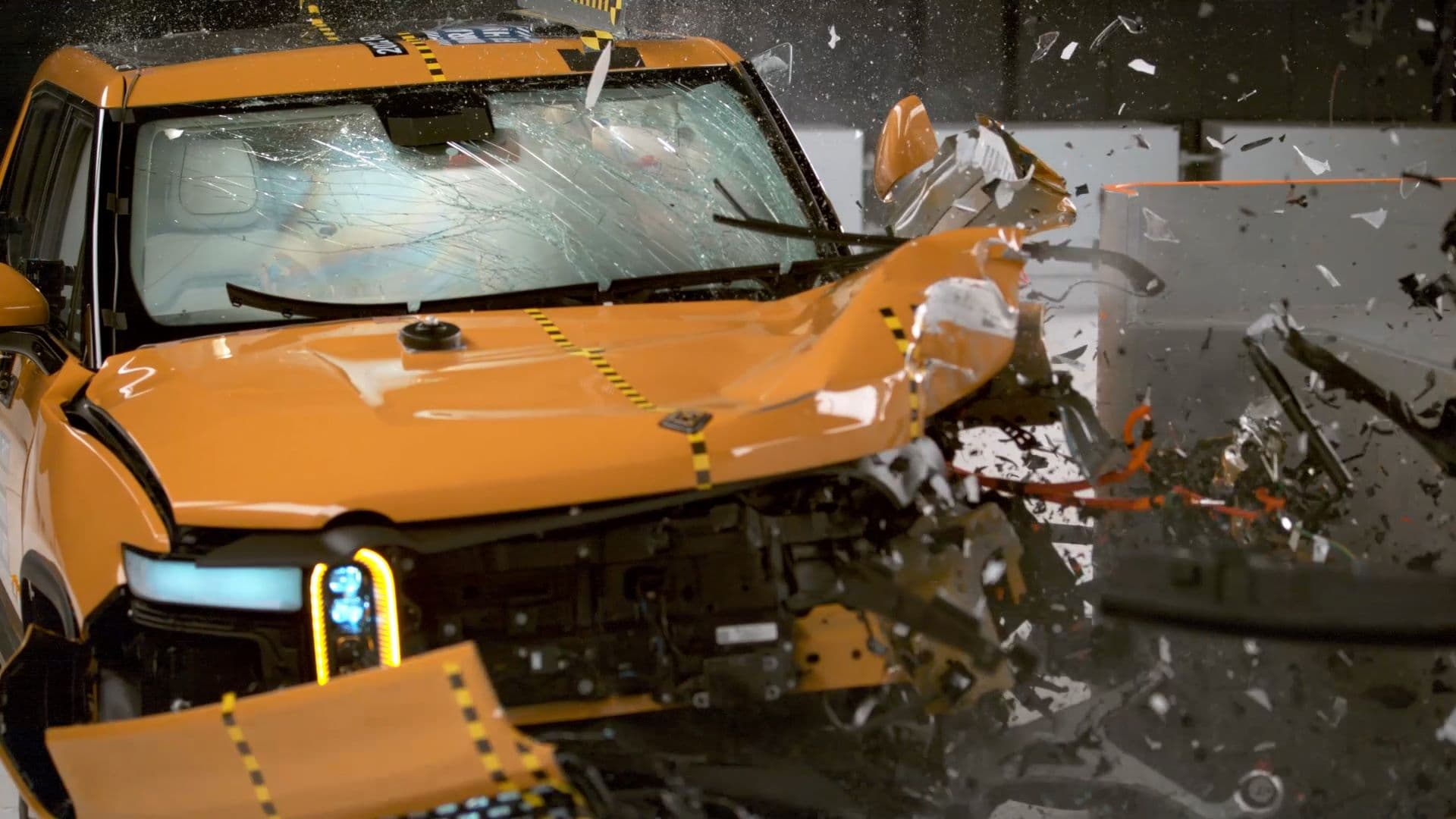
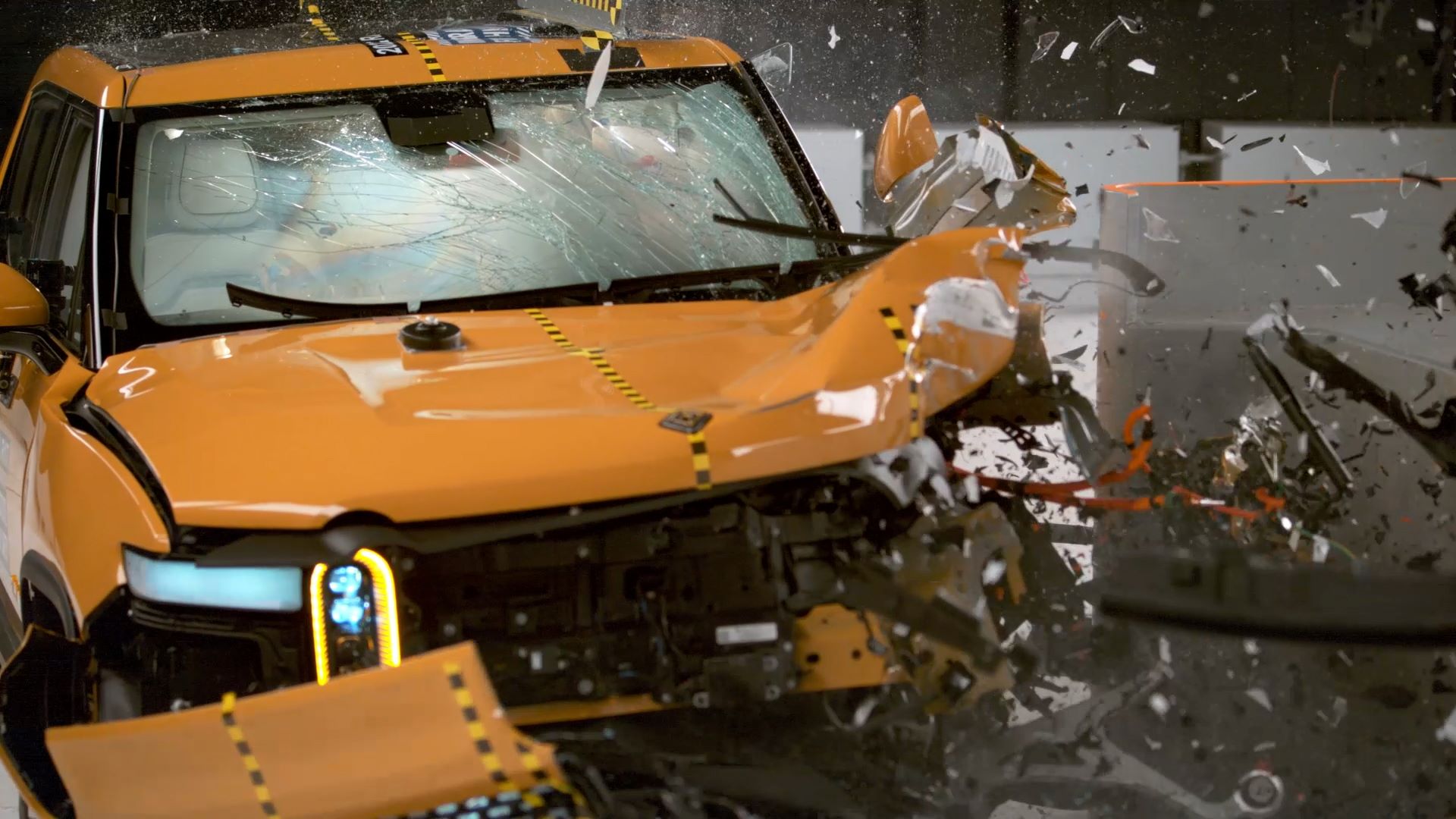
NHTSA conducts frontal barrier tests at 56km/h, side impact tests at 62km/h using a mobile deformable barrier, and side pole impact tests at 32km/h. The programme also evaluates rollover resistance through static stability factor calculations and dynamic testing where appropriate.
While these protocols provide valuable safety information, they are often considered less demanding than European or Australian standards, leading some manufacturers to exceed NHTSA requirements voluntarily.
Global Influence
Despite criticism regarding test rigour, NHTSA ratings significantly influence global automotive design decisions. The sheer size of the American market ensures manufacturers prioritise NHTSA compliance, with safety features developed for US vehicles often appearing in global model ranges.
Technology Integration
NHTSA has increasingly emphasised Advanced Driver Assistance Systems (ADAS) evaluation, recognising the growing importance of crash avoidance technologies. The agency has committed to making automatic emergency braking standard across all new vehicles, demonstrating regulatory leadership in safety technology adoption.
Manufacturing Impact
NHTSA requirements have driven significant improvements in American vehicle safety, with particular advances in structural integrity, airbag system sophistication, and electronic stability control implementation. The programme's influence extends through American manufacturers' global operations.
Collision Repair Implications
NHTSA-rated vehicles typically feature robust structural designs optimised for the programme's specific test protocols. For repair professionals, this means encountering vehicles with strong A-pillars, reinforced door frames, and sophisticated energy absorption systems.
The programme's emphasis on frontal and side impact protection creates vehicles with specific structural characteristics requiring appropriate repair techniques to maintain safety integrity.
Evolving Standards
NHTSA continues updating its assessment protocols to address emerging safety challenges, including enhanced pedestrian protection requirements and improved ADAS evaluation methods. These changes reflect the agency's commitment to maintaining relevant safety standards.
South African Relevance
American vehicles and American-designed models sold in South Africa reflect NHTSA influence through their safety feature integration and structural design approaches. Understanding NHTSA requirements helps repair professionals appreciate the safety philosophies underlying these vehicles.
NHTSA's role as both regulator and assessor provides unique insights into government-led automotive safety improvement, offering lessons for other markets seeking to enhance vehicle safety standards.
Staff Writer
Reporting from the front lines of the collision repair industry, delivering expert analysis and the technical updates that drive the African automotive sector forward.
More From Motoring

Technology Bundles Deliver Major Safety Gains, New Analysis Shows
A growing body of evidence suggests that modern driver assistance technologies are significantly reducing road crashes, and new research into...
How Ford’s Shift to Megacasting Could Influence Vehicle Repair Costs
Ford Motor Company is planning to replace complex assemblies with giant, single-piece aluminium castings for its upcoming electric pickup. The...

The 9th Festival of Motoring is Here
The iconic Kyalami Grand Prix Circuit will once again come alive from 28–30 August 2026 as the Festival of Motoring (FoM), powered by WesBank...

Agibot Sets Its Sights on Europe as Humanoid Robot Competition Heats Up
Chinese robotics firm Agibot is accelerating its global expansion with a major push into Europe, partnering with automotive supplier Minth Group...
South Africa Embraces the New Era of Automotive Brands
South Africa’s automotive industry is undergoing a profound transformation. While traditional marques remain familiar and trusted, a growing...

BMW Expands Physical AI Innovation with New Leipzig Robotics Pilot
The BMW Group is strengthening its position as a leader in intelligent manufacturing with the launch of a new pilot project using humanoid robots...