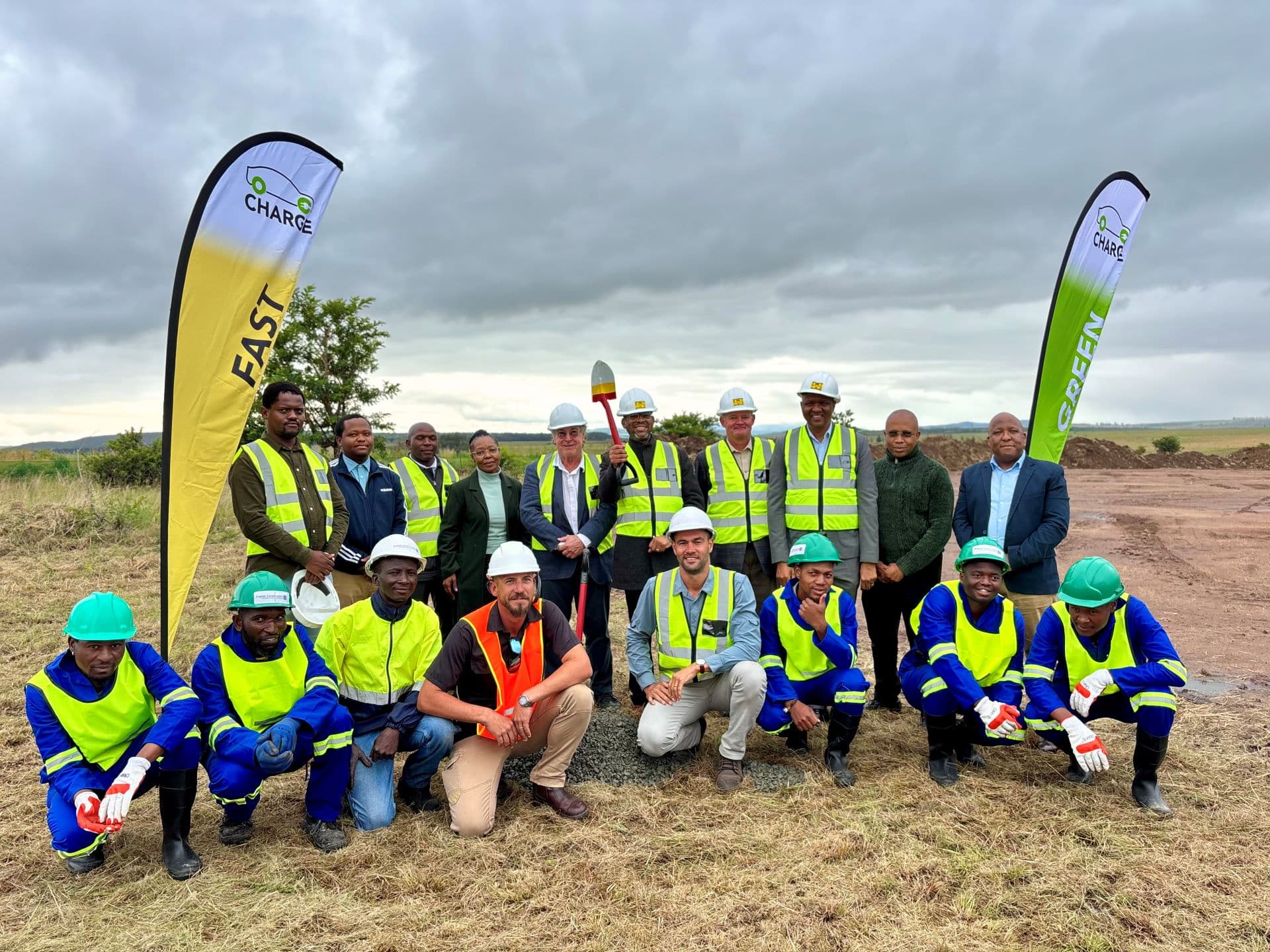
Zero Carbon Charge has achieved a landmark moment in South Africa's transition to electric mobility, breaking ground on two ultra-fast charging stations powered entirely by solar energy along one of the nation's busiest transport arteries.
Strategic Positioning Along Major Route
The two facilities, CHARGE N3 Roadside and CHARGE N3 Tugela, are strategically positioned along the N3 corridor, with the Free State location sitting 180 kilometres from Johannesburg and the KwaZulu-Natal site approximately 200 kilometres from Durban. These installations represent the inaugural phase of Zero Carbon Charge's ambitious plan to establish 120 off-grid charging stations nationwide, creating what the company claims will be South Africa's first comprehensive renewable-powered EV charging network.
Financial backing from the Development Bank of Southern Africa has proved crucial in transforming this vision into reality, providing the equity investment necessary to commence construction on both sites.
Economic and Environmental Dividends
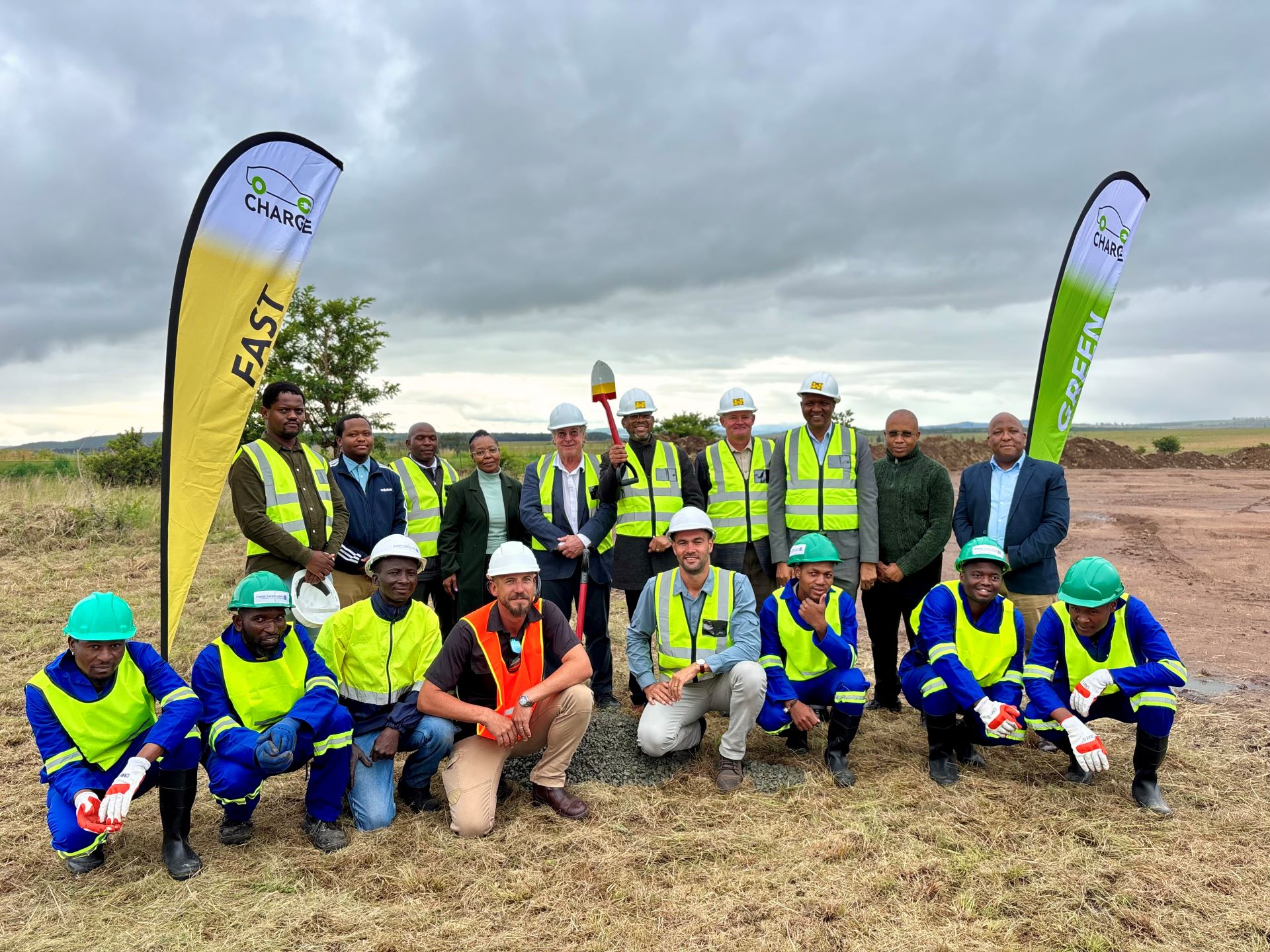
Provincial officials attending the respective sod-turning ceremonies highlighted the multi-faceted benefits of the development. At the KwaZulu-Natal event near Winterton, MEC the Reverend Zondi articulated the strategic importance: "The project demonstrates how green energy and green mobility can unlock new economic opportunities for the province. The N3 is central to trade and tourism in KZN, and the arrival of fully off-grid, ultra-fast charging infrastructure shows our readiness to lead in the future economy. This is exactly the type of investment that creates jobs, builds capacity and strengthens our green industrialisation pathway."
In the Free State, MEC Ketso Makume echoed these sentiments: "By decarbonising transport along the N3, this project supports our provincial goals for a cleaner, more resilient economy. It brings construction and technical jobs into our communities and strengthens the Free State's position in the emerging clean-energy value chain."
Building a Sustainable Transport Future
Joubert Roux, Executive Chairman and Founder of Zero Carbon Charge, acknowledged the collaborative achievement: "We are grateful to the DBSA for believing in CHARGE's vision and providing the investment that has made these N3 sites possible. We also pay tribute to our team, whose dedication and hard work have brought us to this momentous occasion. These first N3 stations represent the beginning of a national transformation, creating reliable, renewable and accessible charging for all South Africans."
With construction expected to conclude in 2026, both stations will establish a green charging corridor connecting Johannesburg and Durban.
For more information about CHARGE visit www.charge.co.za
Staff Writer
Reporting from the front lines of the collision repair industry, delivering expert analysis and the technical updates that drive the African automotive sector forward.
More From News
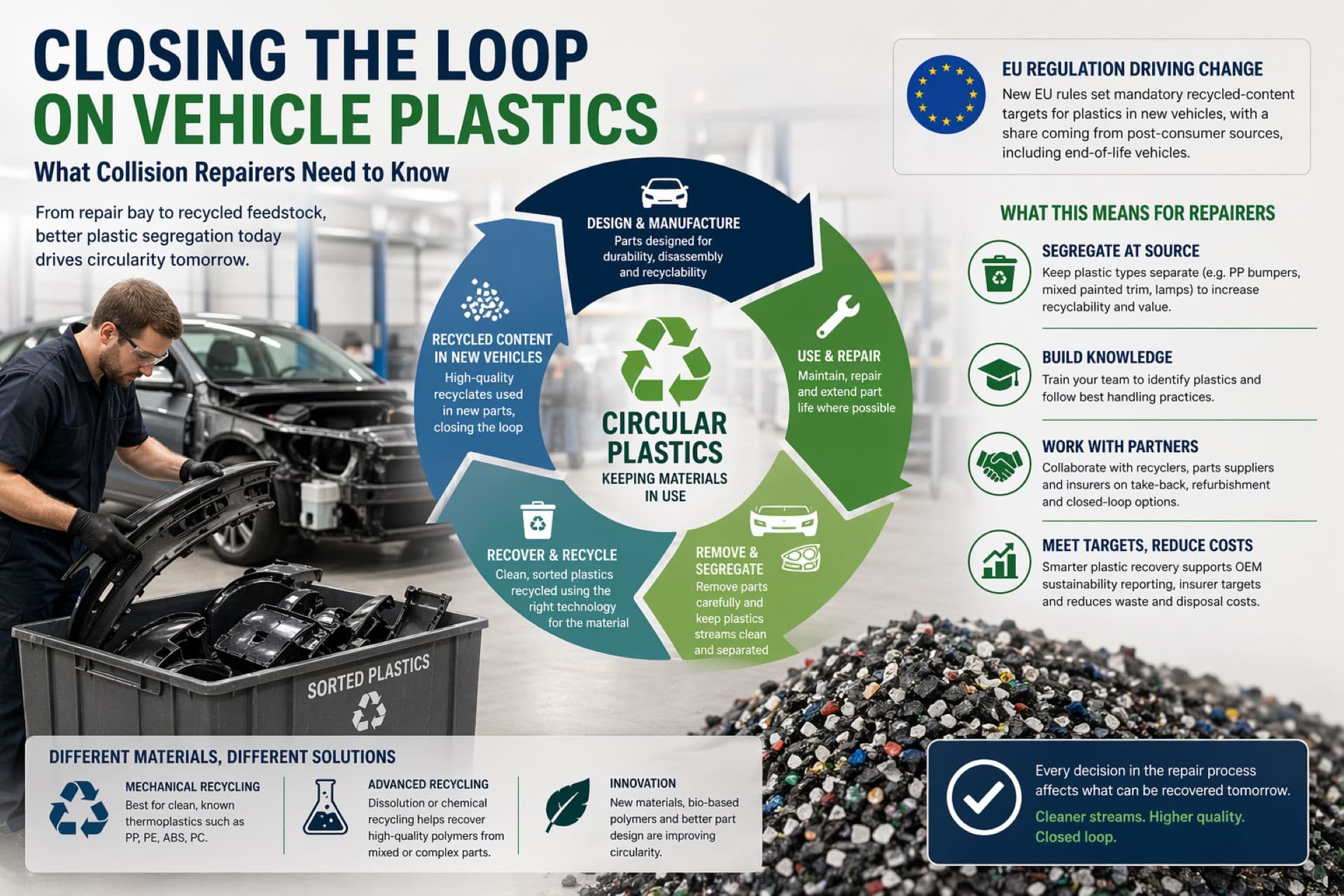
Closing the Loop on Vehicle Plastics: What Collision Repairers Need to Know
New EU rules are pushing vehicle makers and repairers toward plastics circularity, with rising recycled content targets and better end-of-life recovery

Zimbabwe Delegation Explores BAIC’s Role in Regional Automotive Growth
Zimbabwe’s automotive leaders visit BAIC South Africa to explore manufacturing, skills development, and regional industry collaboration.
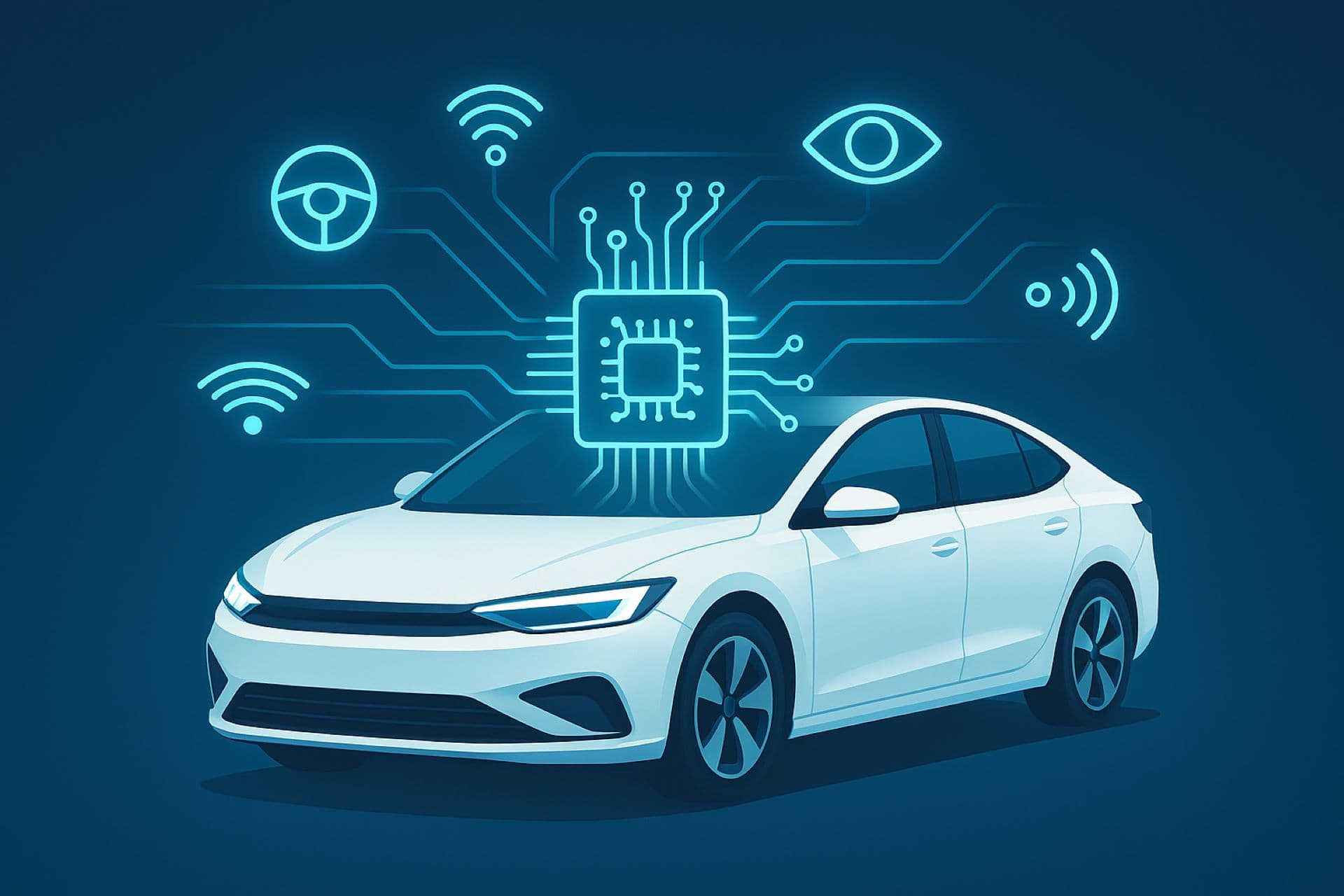
What are SDVs and what do they mean for collision repair?
Software defined vehicles, or SDVs, are vehicles in which software rather than fixed hardware determines how most systems operate. Functions such...
Fuel price shock prompts insurer action to support South Africa’s repairers
South Africa’s motor body repair sector is under growing strain as sharp fuel price increases push operating costs higher, prompting some insurers...
KwaZulu-Natal’s Automotive Momentum looked at
Durban’s Automechanika CEO Breakfast highlighted KZN’s rising automotive role, export growth and EV investment, plus aftermarket development.
We Buy Cars Drives Youth Employment
South Africa’s challenge of youth unemployment remains pressing, but targeted initiatives are beginning to show tangible results. We Buy Cars, in...