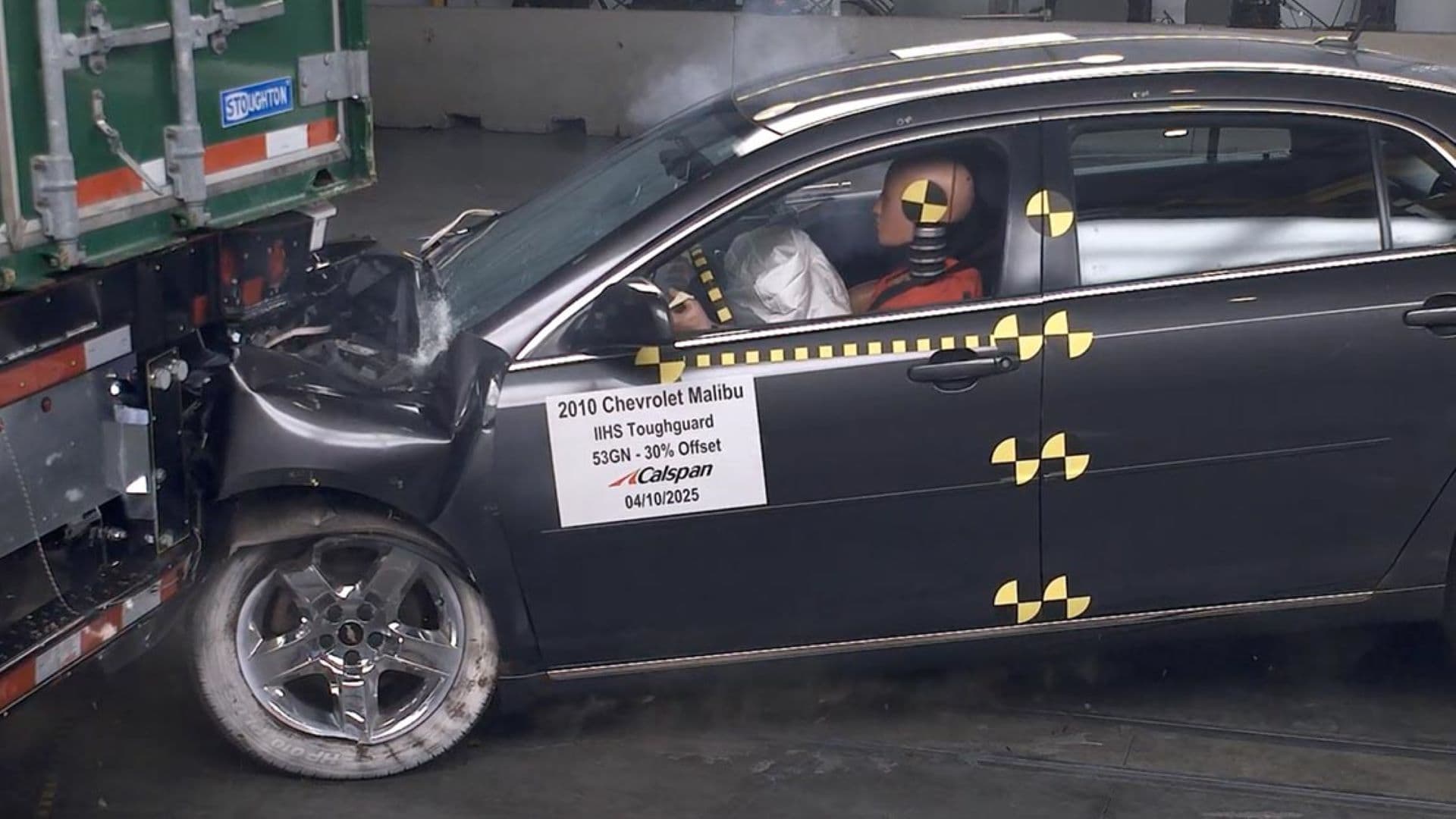
The Japan New Car Assessment Program (JNCAP) represents one of the world's most technologically advanced vehicle safety evaluation systems. Administered by the National Agency for Automotive Safety & Victims' Aid (NASVA), JNCAP reflects Japan's leadership in automotive innovation and safety technology development.
Technological Leadership
JNCAP has consistently pioneered safety assessment techniques, often introducing testing protocols later adopted by other global programmes. Japan's position as home to leading automotive manufacturers like Toyota, Honda, Nissan, and Mazda ensures JNCAP remains at the forefront of safety technology evaluation.
Comprehensive Testing Approach
The programme employs sophisticated testing methodologies including frontal full-width and offset barriers, side impact assessments, and rear-end collision evaluations. JNCAP also conducts extensive pedestrian protection testing, reflecting Japan's commitment to comprehensive road user safety.
Unique to JNCAP is its emphasis on real-world crash scenarios specific to Japanese driving conditions, including detailed whiplash assessment and occupant kinematics analysis. These specialised tests provide insights into injury mechanisms often overlooked by other programmes.
Advanced Technology Focus
JNCAP places significant emphasis on Advanced Driver Assistance Systems(ADAS) evaluation, reflecting Japan's leadership in autonomous driving technologydevelopment. The programme rigorously tests collision avoidance systems, lanedeparture warnings, and adaptive cruise control under various conditions.
This focus on preventive safety technologies aligns with Japan's automotive industry strategy of developing vehicles that avoid crashes rather than merely surviving them. For repair professionals, this means encountering increasingly sophisticated sensor arrays and electronic systems requiring specialist knowledge.
Rating System Evolution
JNCAP employs a percentage-based scoring system alongside star ratings,providing detailed performance breakdowns across multiple safety categories. Thisgranular approach offers valuable insights into specific vehicle strengths andweaknesses, informing both consumers and industry professionals.
Manufacturing Influence
Japanese manufacturers' global presence means JNCAP-influenced designs reachmarkets worldwide, including South Africa. Vehicles developed for the Japanese market often incorporate advanced safety features that become standard across international model ranges.
Collision Repair Implications
JNCAP-tested vehicles typically feature sophisticated structural designs optimisedfor multiple impact scenarios. These vehicles often incorporate advanced high-strength steels, complex energy absorption systems, and intricate sensor networksrequiring specialised repair techniques.
The programme's emphasis on occupant kinematics creates vehicles with preciselyengineered interior safety systems, including advanced airbag configurations andrestraint system integration. Understanding these systems is crucial for proper repair and calibration procedures.
Innovation Driver
JNCAP serves as a catalyst for safety innovation, with manufacturers usingprogramme requirements to justify investment in advanced safety technologies. This dynamic drives continuous improvement in vehicle safety performance and repair complexity.
For South African repair facilities, understanding JNCAP's influence helps anticipate the advanced safety technologies and sophisticated repair requirements associated with Japanese vehicle brands and their global derivatives.
Staff Writer
Reporting from the front lines of the collision repair industry, delivering expert analysis and the technical updates that drive the African automotive sector forward.
More From Motoring
Technology Bundles Deliver Major Safety Gains, New Analysis Shows
A growing body of evidence suggests that modern driver assistance technologies are significantly reducing road crashes, and new research into...
How Ford’s Shift to Megacasting Could Influence Vehicle Repair Costs
Ford Motor Company is planning to replace complex assemblies with giant, single-piece aluminium castings for its upcoming electric pickup. The...
The 9th Festival of Motoring is Here
The iconic Kyalami Grand Prix Circuit will once again come alive from 28–30 August 2026 as the Festival of Motoring (FoM), powered by WesBank...

Agibot Sets Its Sights on Europe as Humanoid Robot Competition Heats Up
Chinese robotics firm Agibot is accelerating its global expansion with a major push into Europe, partnering with automotive supplier Minth Group...
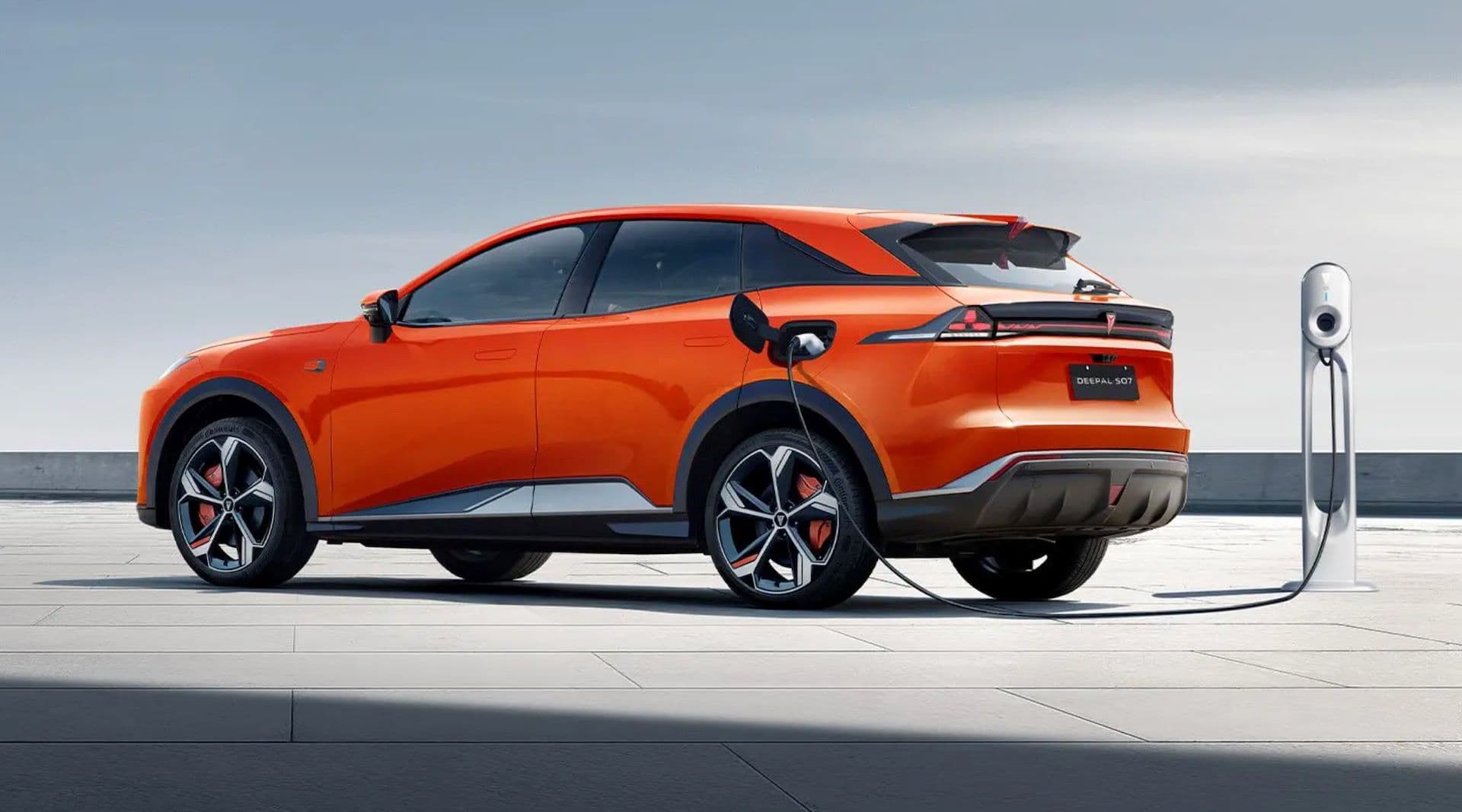
South Africa Embraces the New Era of Automotive Brands
South Africa’s automotive industry is undergoing a profound transformation. While traditional marques remain familiar and trusted, a growing...
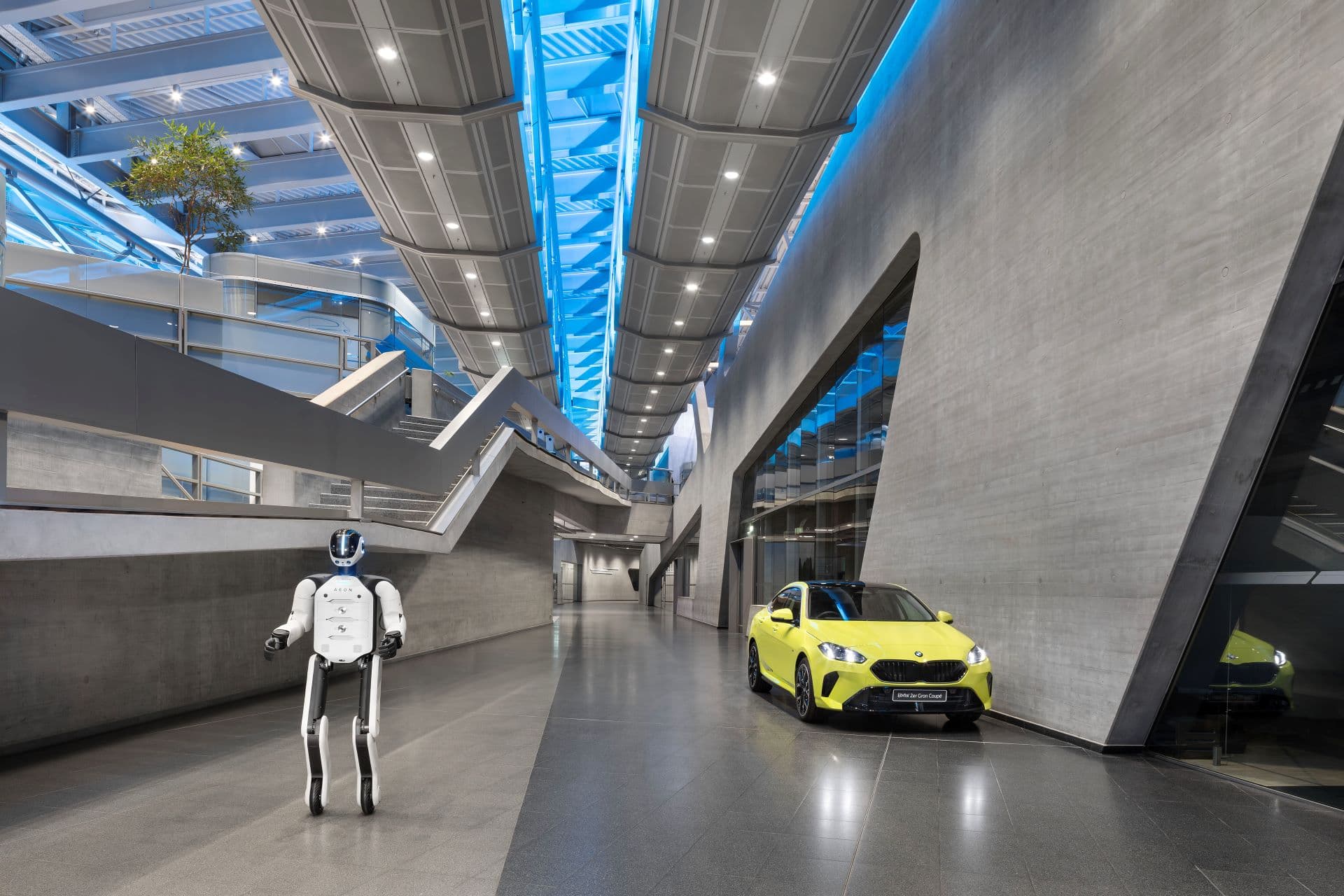
BMW Expands Physical AI Innovation with New Leipzig Robotics Pilot
The BMW Group is strengthening its position as a leader in intelligent manufacturing with the launch of a new pilot project using humanoid robots...