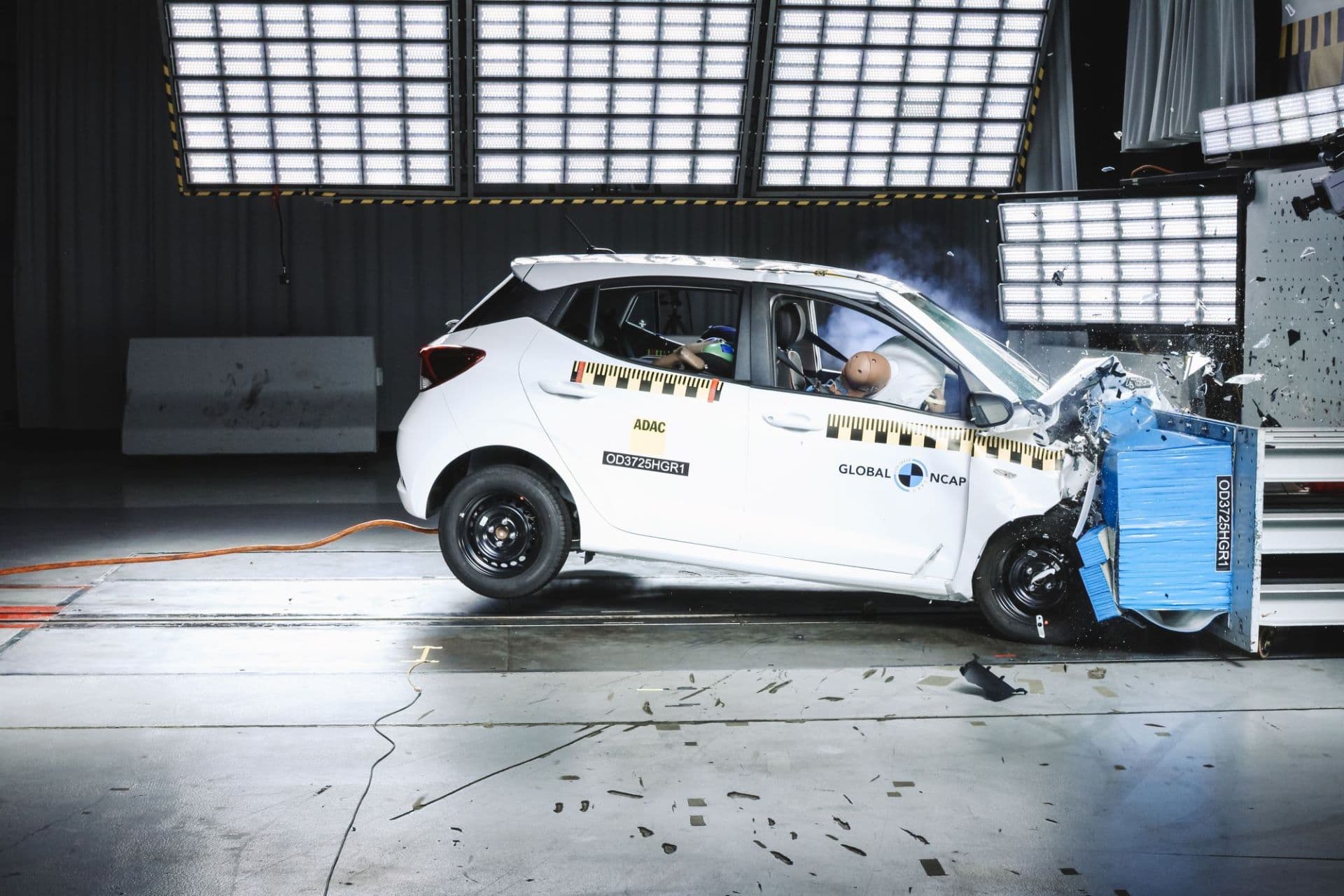
The Hyundai Grand i10 has been criticised after the latest Global NCAP crash tests revealed a shocking zero-star rating for adult occupant protection in models sold across African markets. The Automobile Association (AA) has expressed alarm, warning that motorists are being exposed to unacceptable safety risks.
Although the car achieved three stars for child occupant protection, the adult safety score highlights serious deficiencies. Manufactured in India, the Grand i10 comes with only basic features such as driver and passenger airbags, but lacks essential systems like side-impact protection and Electronic Stability Control (ESC) — widely regarded as non-negotiable in modern vehicles.
Global NCAP’s evaluation uncovered several critical weaknesses:
• Extremely poor chest protection for drivers in frontal impact tests.
• High likelihood of fatal injuries in side-impact collisions, with zero points awarded for adult safety.
• Unstable bodyshell and compromised footwell, unable to withstand further crash forces.
• No side or head protection, and only a driver seatbelt reminder, leaving other passengers vulnerable.
• Absence of ESC, a proven crash-prevention technology.
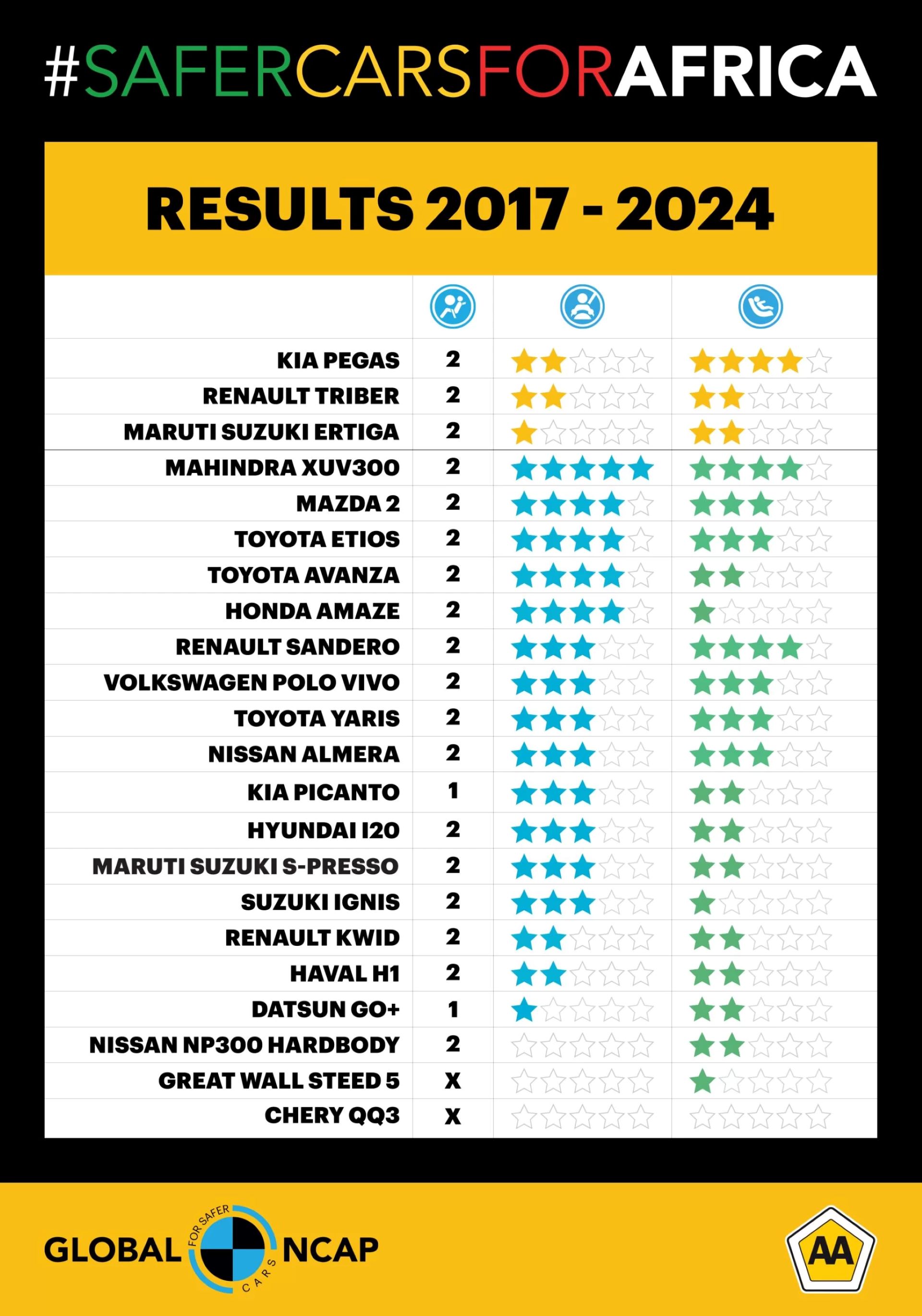
Richard Woods, Chief Executive of Global NCAP, condemned the disparity: “It is unacceptable to see the continued double standard on safety in low- and middle-income countries. African consumers deserve safer vehicles regardless of where they live.”
AA Chief Executive Bobby Ramagwede added: “South African motorists deserve better. The Hyundai Grand i10’s zero-star rating underscores the urgent need for manufacturers to commit to equal safety standards across all markets. Safety should never be optional.”
The AA is calling for tougher regulations and greater accountability from carmakers, insisting that no vehicle should be sold in Africa without side-impact protection and ESC as standard. The organisation has pledged to continue campaigning for stronger safety laws and full transparency.
Click HERE to watch the crash test video.
Click HERE read the full crash test report.
Staff Writer
Reporting from the front lines of the collision repair industry, delivering expert analysis and the technical updates that drive the African automotive sector forward.
More From News
Closing the Loop on Vehicle Plastics: What Collision Repairers Need to Know
New EU rules are pushing vehicle makers and repairers toward plastics circularity, with rising recycled content targets and better end-of-life recovery

Zimbabwe Delegation Explores BAIC’s Role in Regional Automotive Growth
Zimbabwe’s automotive leaders visit BAIC South Africa to explore manufacturing, skills development, and regional industry collaboration.

What are SDVs and what do they mean for collision repair?
Software defined vehicles, or SDVs, are vehicles in which software rather than fixed hardware determines how most systems operate. Functions such...
Fuel price shock prompts insurer action to support South Africa’s repairers
South Africa’s motor body repair sector is under growing strain as sharp fuel price increases push operating costs higher, prompting some insurers...
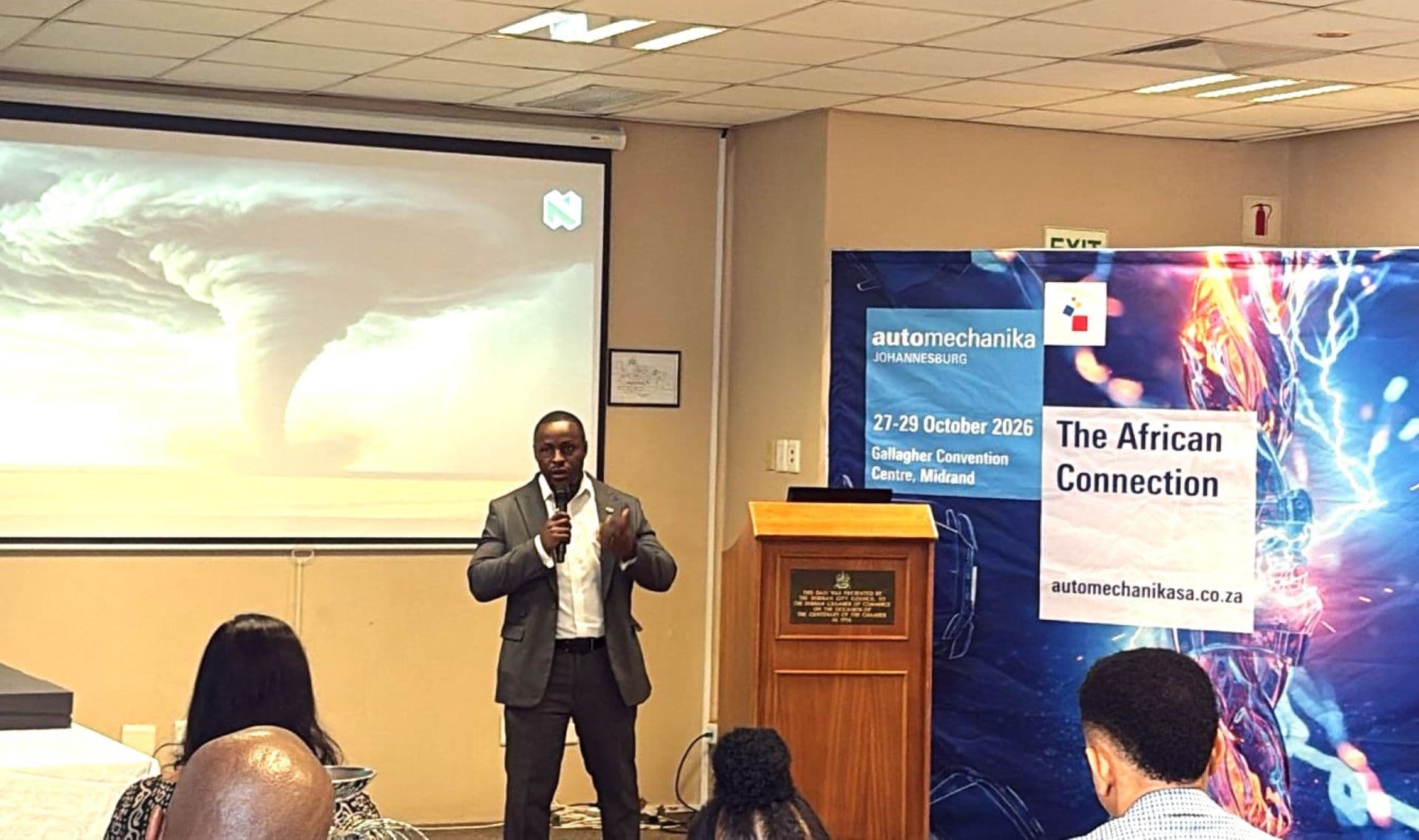
KwaZulu-Natal’s Automotive Momentum looked at
Durban’s Automechanika CEO Breakfast highlighted KZN’s rising automotive role, export growth and EV investment, plus aftermarket development.

We Buy Cars Drives Youth Employment
South Africa’s challenge of youth unemployment remains pressing, but targeted initiatives are beginning to show tangible results. We Buy Cars, in...