
In a vast bakkie (pickup truck) plant on the outskirts of Detroit in the United States (US), a towering robot is now handling a job that once consumed weeks of painstaking manual effort—finishing it in just over an hour.
At Stellantis’ Sterling Heights Assembly Plant in Michigan, where Ram 1500 bakkies are produced daily, managing thousands of parts accurately is no small undertaking. Until not long ago, confirming that each item was correctly placed and properly stocked required a lengthy audit stretching across seven full workweeks.
That demanding task has now been handed over to an autonomous inventory robot created by UK based technology company Dexory.
Standing roughly 12 feet tall, the robot travels independently through the facility’s tight warehouse aisles, lifting its scanning equipment nearly 46 feet to take readings from upper level storage racks. As it moves, it compiles a precise digital picture of stock levels and locations, quickly pinpointing any gaps, misplaced components, or irregularities.
Stellantis’ logistics team reports a marked improvement in operations. A process that previously consumed around 280 hours of human labour can now be completed in the span of a single shift. Instead of checking each shelf by sight, employees receive accurate, real-time information indicating where attention is required.
More than replacing a manual audit, the robot reshapes how inventory is monitored altogether. With continuous scanning throughout the day, the plant can detect potential issues before they disrupt production, ensuring that assembly lines run without delays caused by missing parts.
Its arrival forms part of a broader shift taking place across the automotive sector. As vehicles become increasingly complex and global supply chains endure constant strain, manufacturers are deploying more automation in logistics, warehousing, and quality control—well beyond traditional assembly line robotics. These tools are seen as ways to bolster reliability and responsiveness, not merely reduce labour costs.
Dexory’s system was introduced to Stellantis through the company’s Factory Booster Day, an annual event where suppliers showcase technologies designed to tackle operational challenges. Before the event, Stellantis consults its plants to identify areas of inefficiency, then invites suppliers to propose solutions tailored to those issues.
The inventory robot is a clear example: a slow, resource intensive auditing process replaced with a purpose designed digital alternative.
Plant leaders emphasise that the aim is not to remove workers from the process, but to enable them to focus on tasks that genuinely require skill and judgement. By eliminating exhaustive shelf checking, staff can devote their time to resolving problems, improving processes, and safeguarding production quality.
As manufacturers continue updating their factories, autonomous inventory systems may soon be as commonplace as robotic arms on the shop floor. In an industry where even brief disruptions can be hugely costly, reclaiming weeks of labour through a single automated tool represents a significant stride towards more resilient, efficient production.

Staff Writer
Reporting from the front lines of the collision repair industry, delivering expert analysis and the technical updates that drive the African automotive sector forward.
More From News

Must Read: Competition Case in Botswana Could Reshape the Regional Repair Market
A Botswana competition case could influence insurer-repairer relationships and reshape vehicle repair markets across Southern Africa.
What drivers should look for when collecting a vehicle after collision repairs
Experts from South African Motor Body Repairers' Association explain how motorists can inspect their vehicle after collision repairs, covering panel gaps, paint finish and functionality checks.
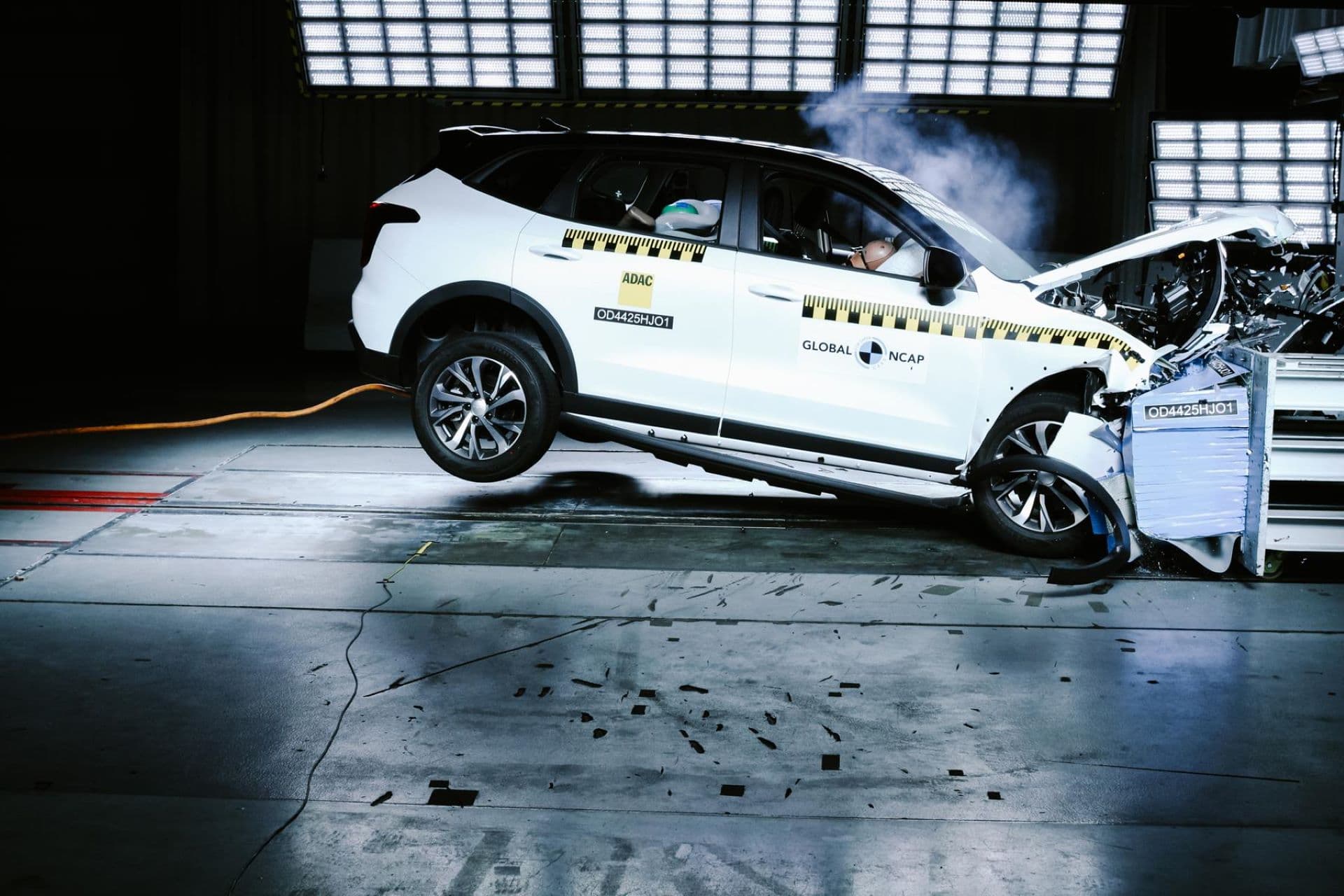
Entry-Level Cars Under Fire in Latest Crash Tests
South Africa’s entry-level cars face scrutiny after GNCAP crash tests reveal poor safety ratings for the Haval Jolion and Kia Sonet, prompting concern.
SAMBRA initiative puts young automotive talent in the spotlight
MIWA and SAMBRA host youth automotive competitions in Eastern Cape, offering training, hands-on experience and career pathways for young learners in 2026.
Hella returns to thermal management with long-term aftermarket push
Hella South Africa expands its thermal management range, targeting evolving vehicle technologies with 6,000+ SKUs planned by 2027.
Hino SA Honoured for Aftersales Excellence
Hino South Africa received two global awards for service and parts excellence, reinforcing its leadership in aftersales support.