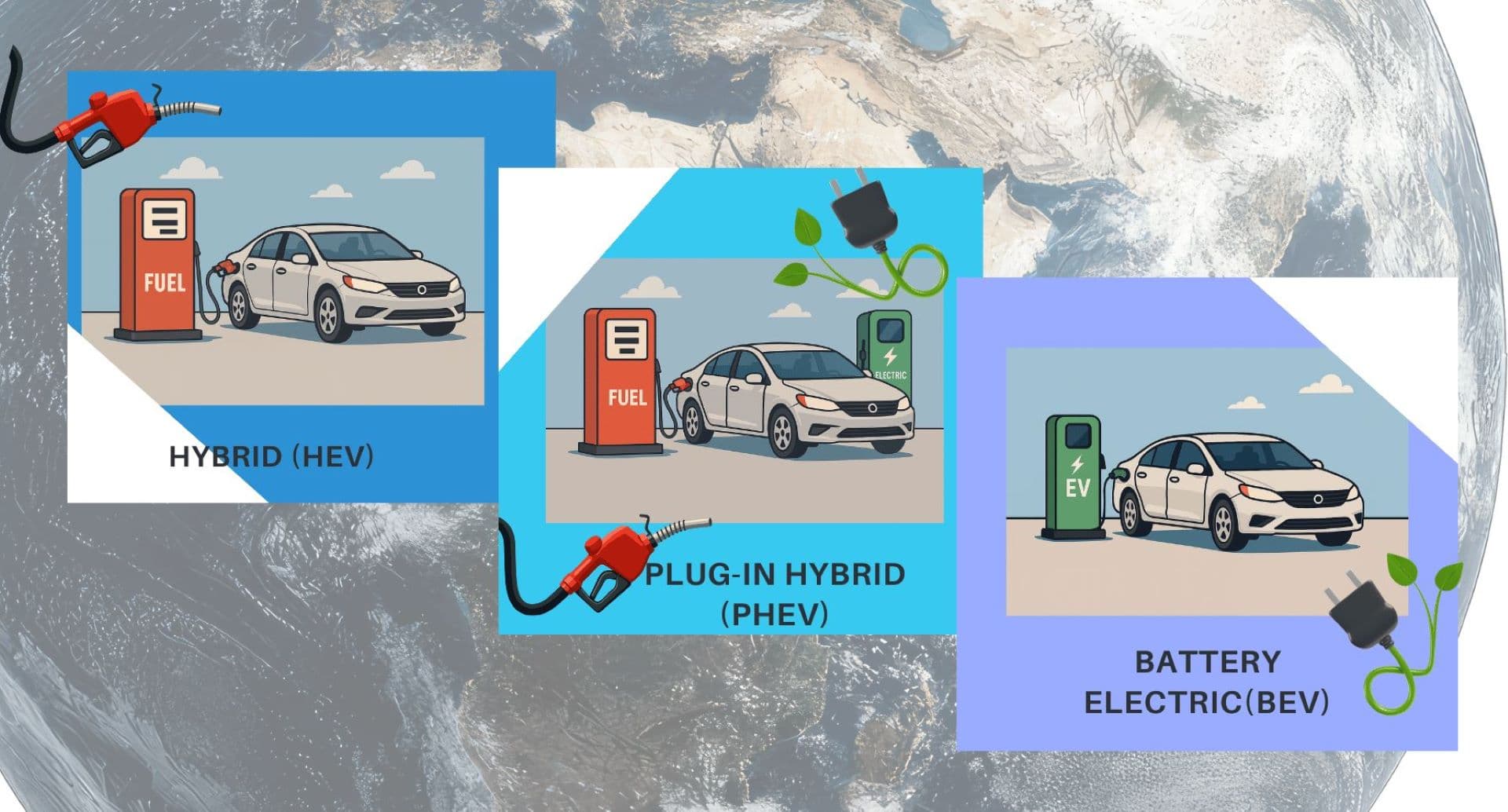
While petrol and diesel engines continue to dominate many markets, the rise of New Energy Vehicles (NEV) is reshaping the automotive landscape.
Data from the International Energy Agency shows that NEVs now account for close to 30 percent of global new vehicle sales, highlighting a decisive move towards alternative propulsion technologies.
Battery Electric Vehicles (BEV) lead the electric car segment worldwide, followed by plug in hybrids. Conventional hybrids are growing rapidly and represent a substantial share of electrified vehicles overall. Other technologies such as fuel cells and range extended systems remain rare and largely experimental outside selected markets.
BEVs are the purest form of electric mobility. They operate without any internal combustion engine and produce no tailpipe emissions. Power is stored in large battery packs and delivered through electric motors, with recharging done exclusively via an external electricity supply. In South Africa, examples include the BYD Surf, BMW iX xDrive, Alfa Romeo Junior and MG Cyberster.
Plug in hybrids blend traditional and electric propulsion. A petrol engine works alongside a sizeable battery, enabling electric only driving for significant distances before the engine is required. Charging can be done via a plug, while conventional refuelling remains available. Vehicles such as the Chery Tiggo 7 and 9 CSH, BYD Sealion range, Omoda PHEV and Lexus NX 450h fall into this category.
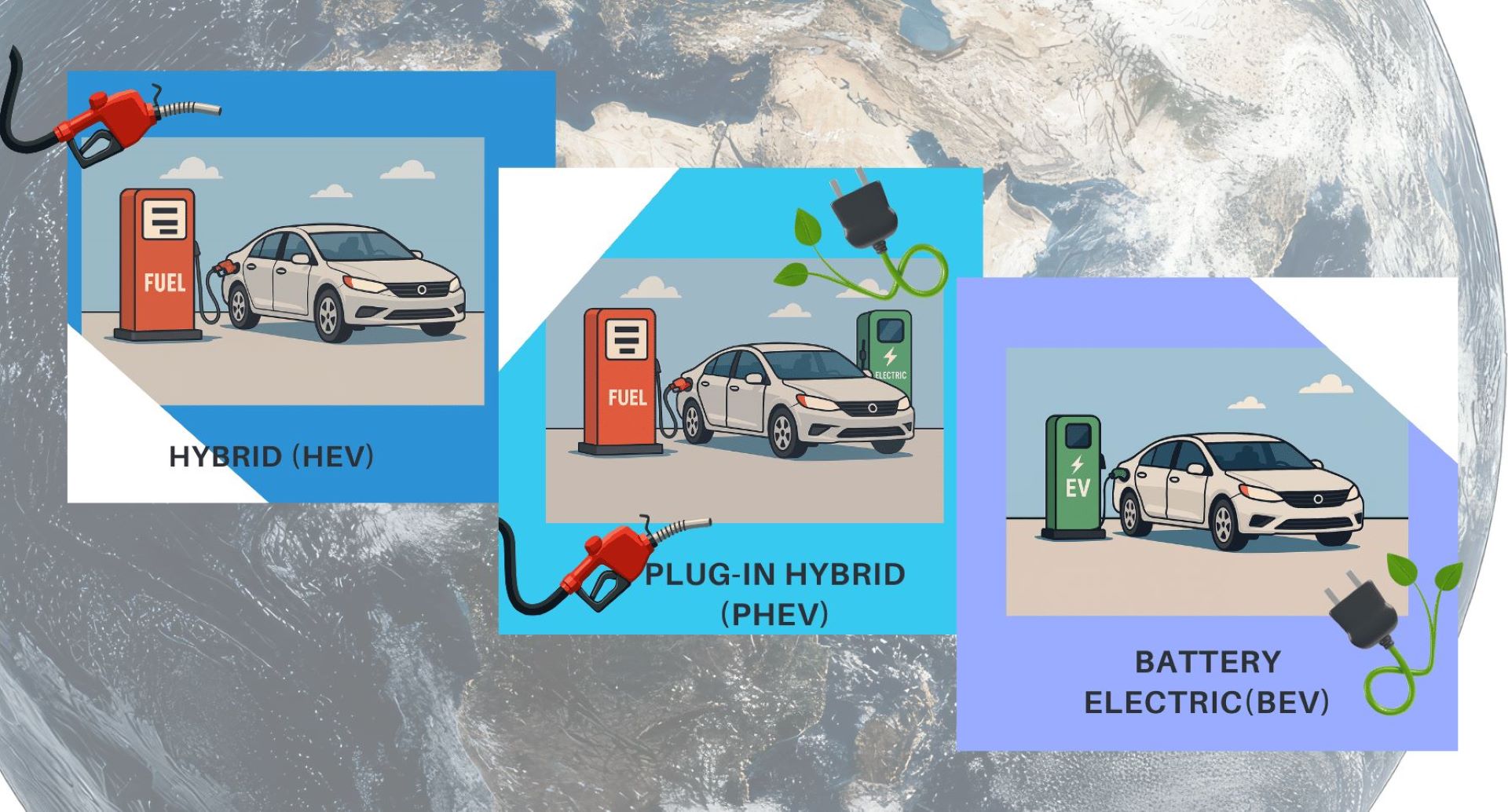
Hybrid Electric Vehicles (HEV) do not require plugging in. Instead, they recharge their batteries through braking and engine operation. Electric assistance improves efficiency during urban driving and low speed operation, although electric only range is limited. Popular local examples include the Toyota Corolla Cross, Haval Jolion, Chery Tiggo Cross and Suzuki Grand Vitara Hybrid.
Range Extended Electric Vehicles (REEV)) are often misunderstood. Unlike PHEVs, the internal combustion engine never drives the wheels directly. It functions purely as a generator, supplying electricity to the battery when required. This approach reduces battery size but still involves engine use. Local examples include the Leapmotor C10 REEV and Changan Hunter REEV pickup, with the BMW i3 Range Extender previously offered before its discontinuation.
Fuel Cell Electric Vehicles (FCEV) generate electricity through a chemical reaction using hydrogen. Although hydrogen is plentiful, storage requires extreme pressure or very low temperatures, making the technology costly and complex. As a result, FCEVs remain limited to pilot projects and select international markets, with vehicles such as the Toyota Mirai and Hyundai Nexo leading development.
Staff Writer
Reporting from the front lines of the collision repair industry, delivering expert analysis and the technical updates that drive the African automotive sector forward.
More From News

Must Read: Competition Case in Botswana Could Reshape the Regional Repair Market
A Botswana competition case could influence insurer-repairer relationships and reshape vehicle repair markets across Southern Africa.
What drivers should look for when collecting a vehicle after collision repairs
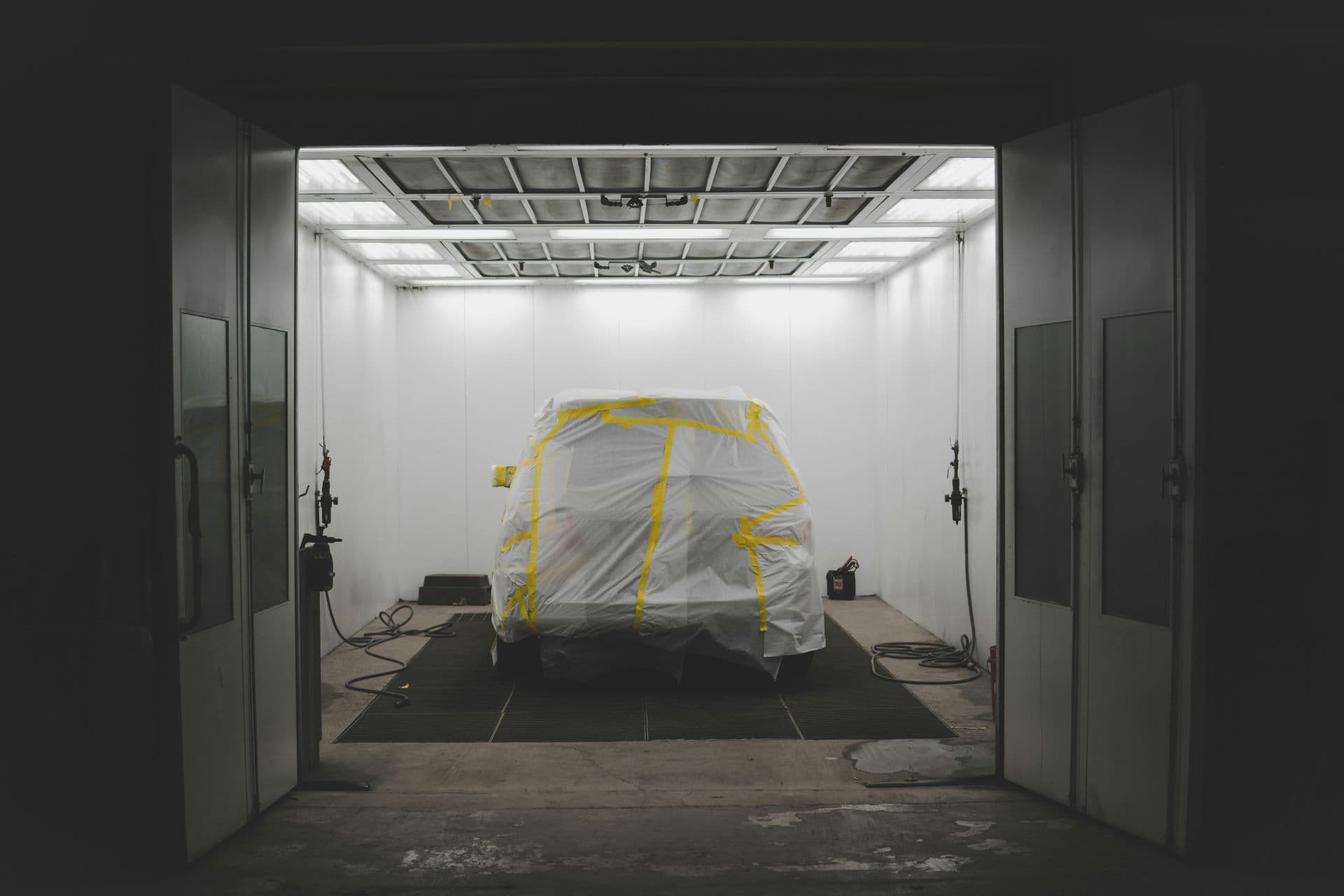
Experts from South African Motor Body Repairers' Association explain how motorists can inspect their vehicle after collision repairs, covering panel gaps, paint finish and functionality checks.
Entry-Level Cars Under Fire in Latest Crash Tests
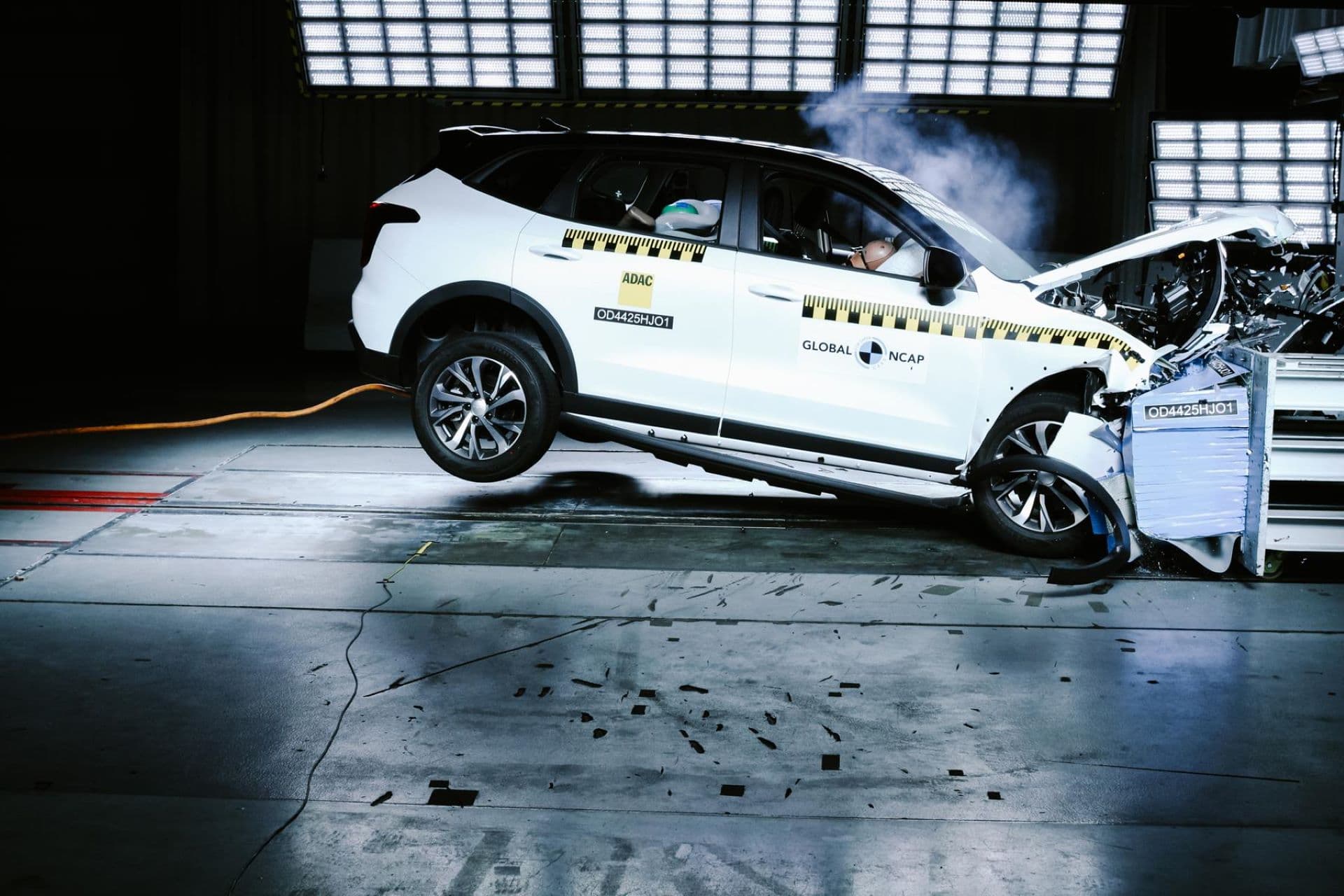
South Africa’s entry-level cars face scrutiny after GNCAP crash tests reveal poor safety ratings for the Haval Jolion and Kia Sonet, prompting concern.
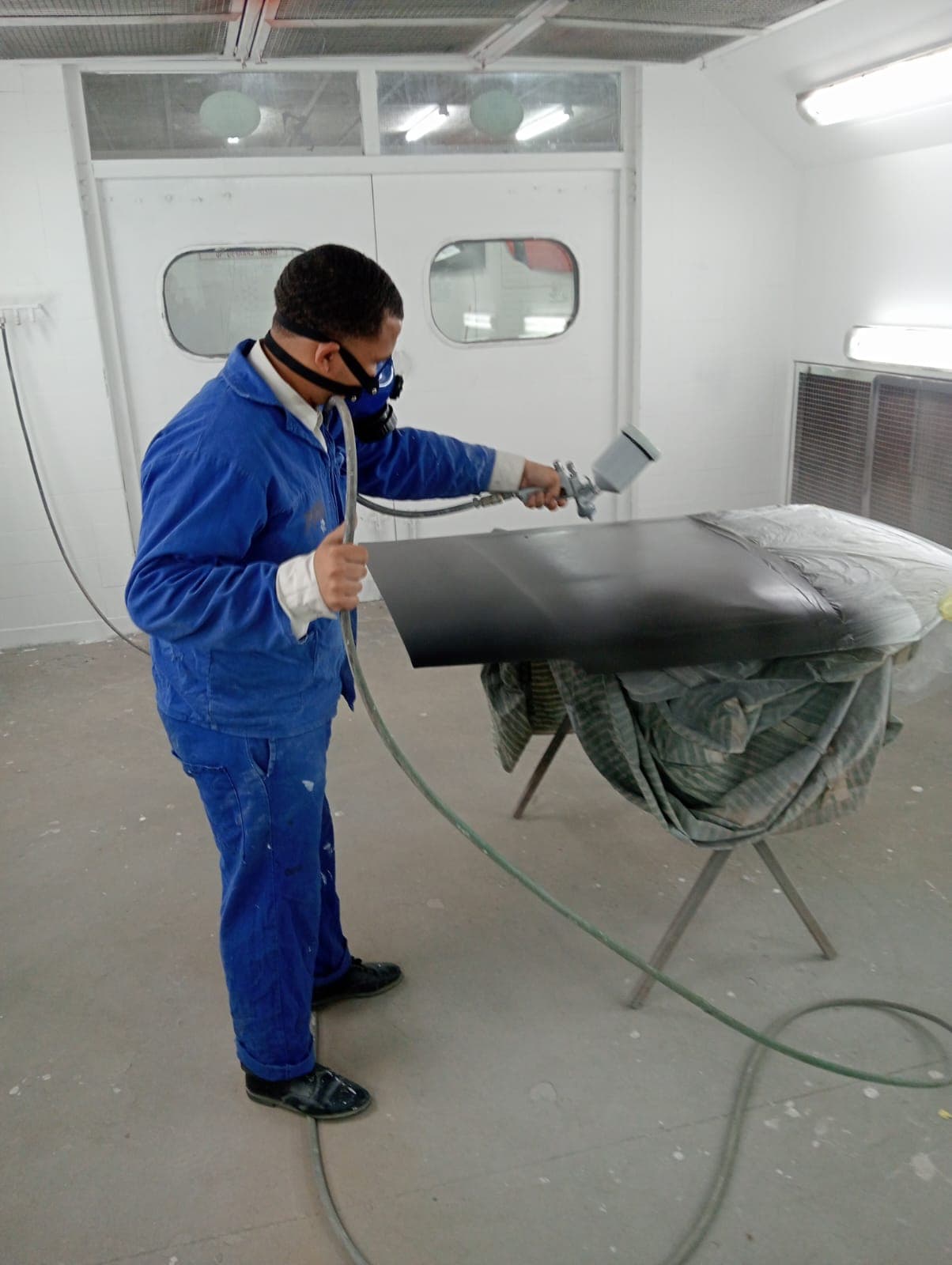
SAMBRA initiative puts young automotive talent in the spotlight
MIWA and SAMBRA host youth automotive competitions in Eastern Cape, offering training, hands-on experience and career pathways for young learners in 2026.
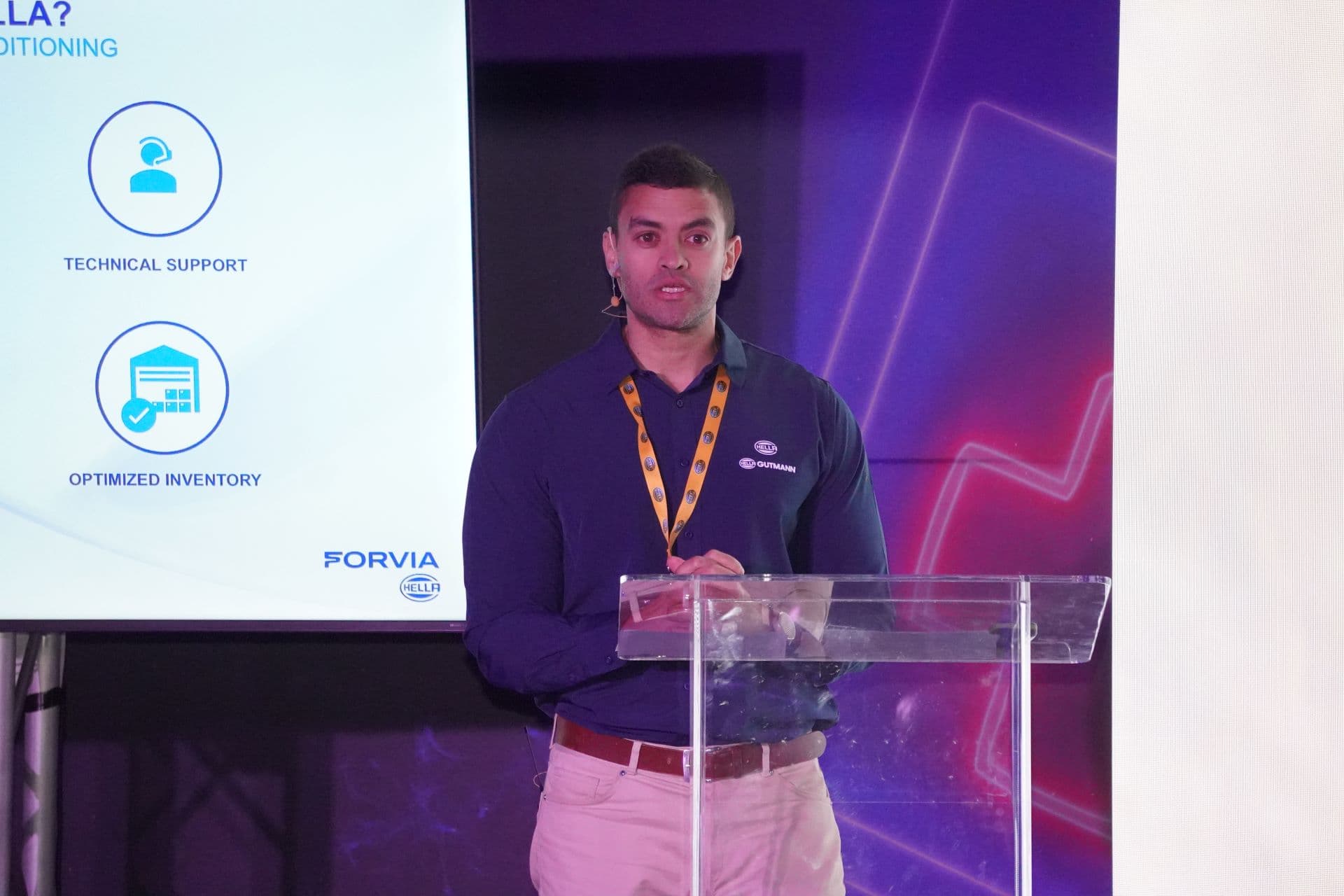
Hella returns to thermal management with long-term aftermarket push
Hella South Africa expands its thermal management range, targeting evolving vehicle technologies with 6,000+ SKUs planned by 2027.
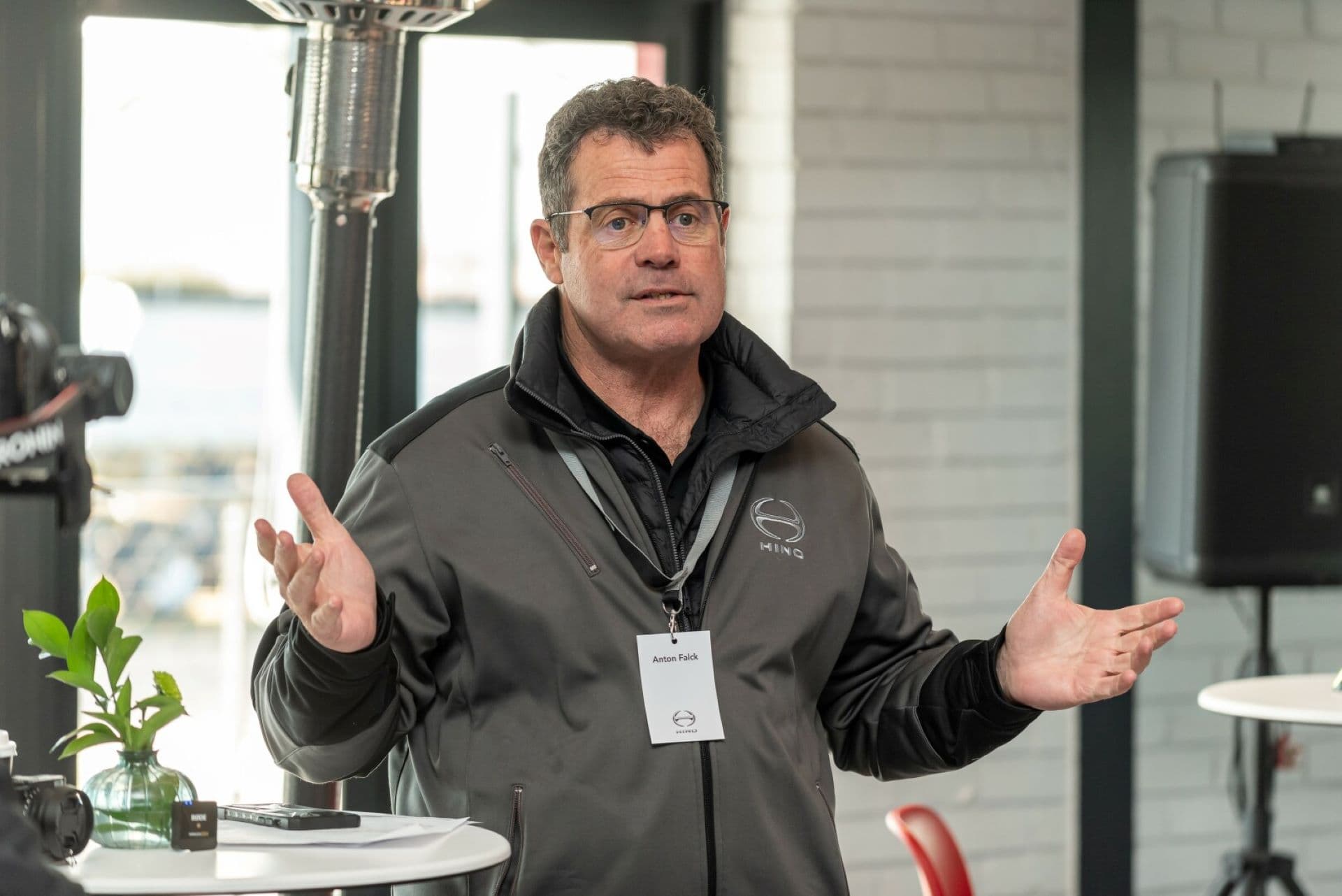
Hino SA Honoured for Aftersales Excellence
Hino South Africa received two global awards for service and parts excellence, reinforcing its leadership in aftersales support.