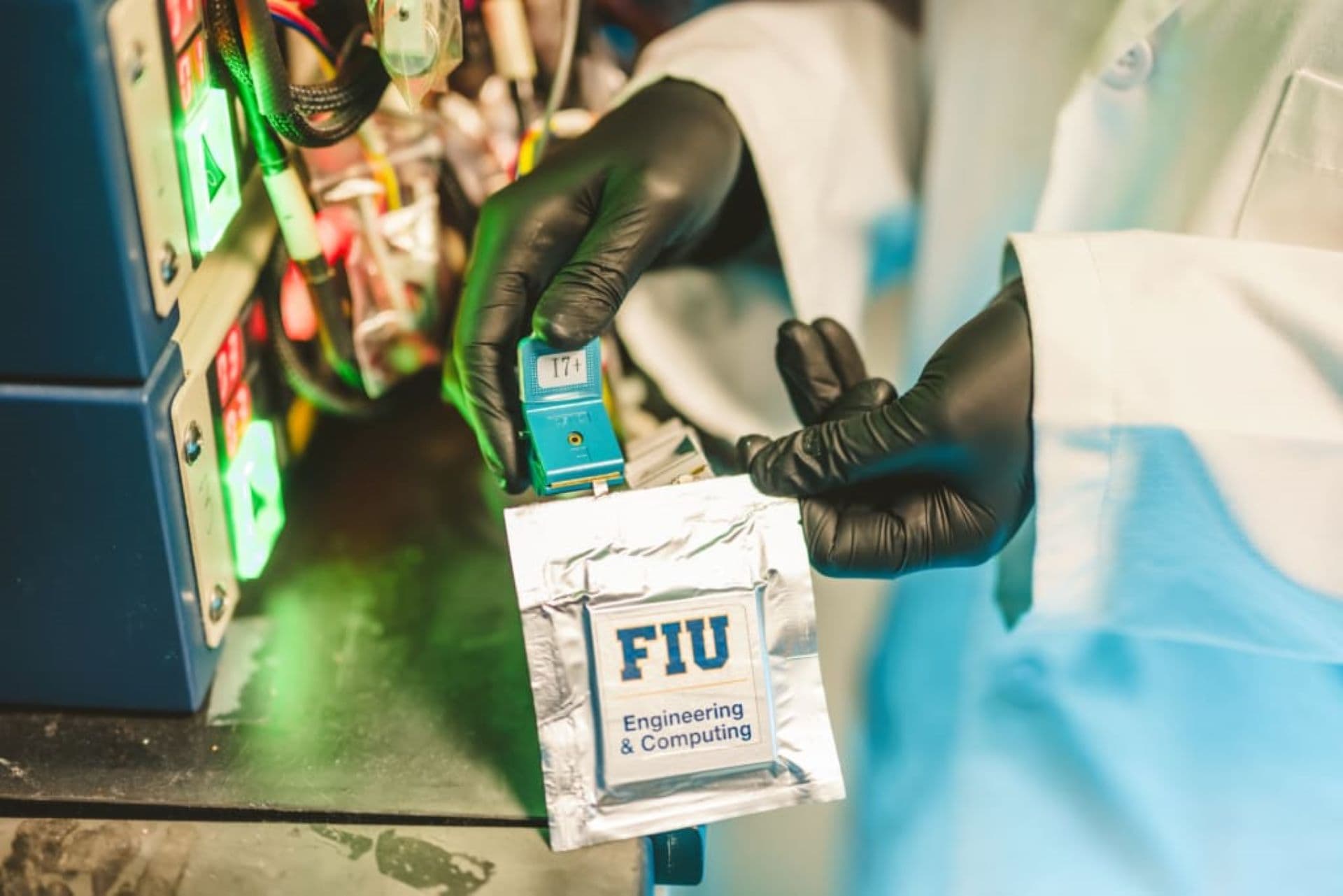
Scientists at Florida International University (FIU) have developed a next-generation lithium-sulfur battery that could dramatically extend electric vehicle (EV) range and battery life — solving a major hurdle in EV adoption.
Lithium-sulfur batteries are lighter, cheaper, and have higher energy density than traditional lithium-ion batteries. However, their rapid degradation after just 50 charge cycles has limited widespread use. FIU's Battery Research Lab discovered a way to improve battery lifespan, making them a more practical option for EVs and electronic devices.
"We've spent eight years solving this puzzle," said Bilal El-Zahab, associate professor at FIU’s College of Engineering & Computing. "It's exciting to finally see these batteries perform so well."
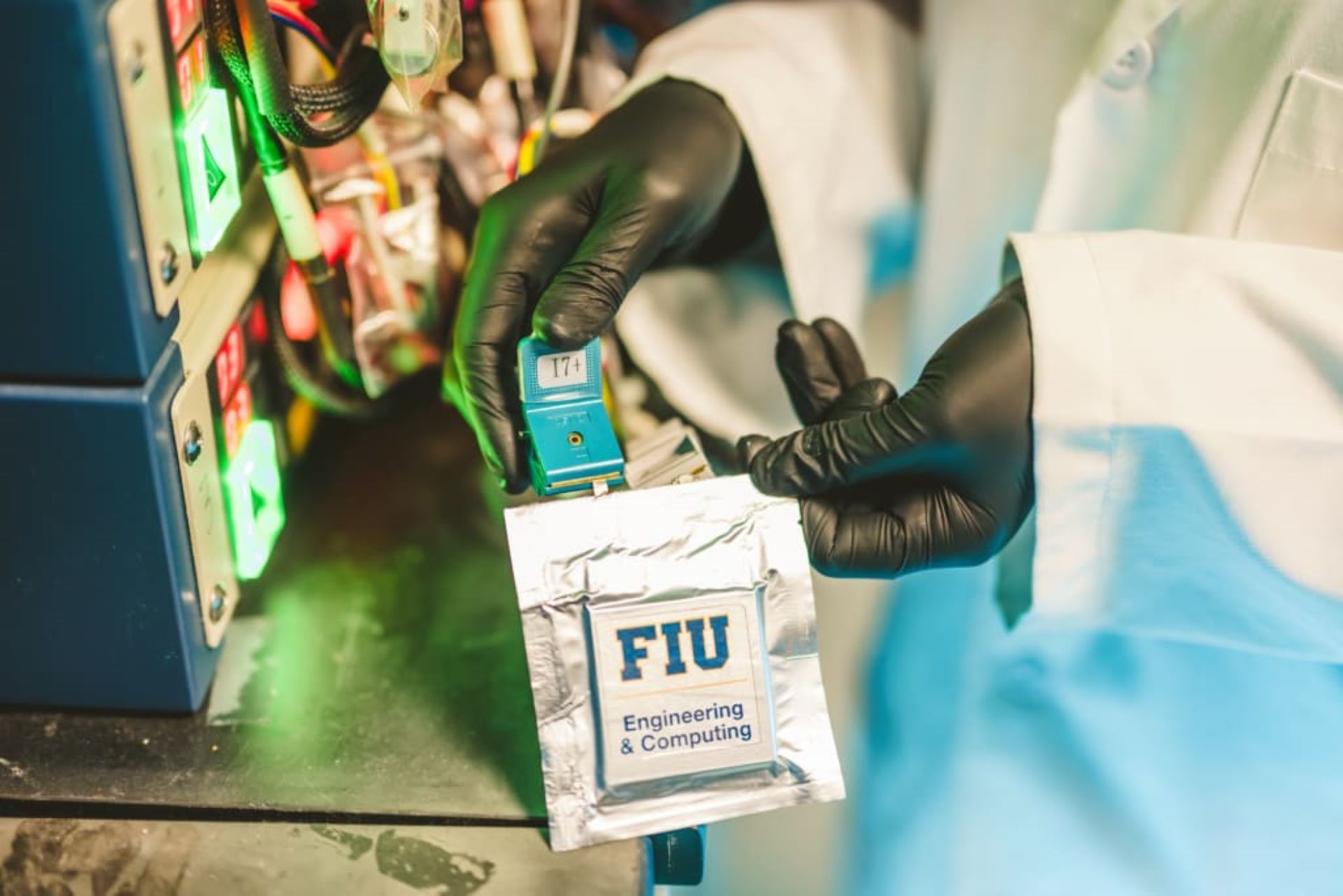
The breakthrough involves adding platinum nanoparticles — only 0.02% of the battery's makeup — to the sulfur electrode. This small change significantly improves battery stability and extends its life. Recent tests showed 92% capacity retention after 500 charge cycles, meaning the battery stays nearly as efficient as when it was new.
Lithium-sulfur batteries typically degrade due to polysulfides, chemical compounds that form a mossy buildup and reduce efficiency. The platinum nanoparticles guide lithium flow, minimizing these harmful reactions.
"It's like adding a pinch of salt to food — a tiny amount makes a big difference," El-Zahab explained.
FIU’s battery is now undergoing third-party testing for potential licensing and commercialization. If adopted, this technology could transform the EV industry by offering longer-lasting, more reliable batteries, helping reduce range anxiety and making electric vehicles more practical for consumers.
Staff Writer
Reporting from the front lines of the collision repair industry, delivering expert analysis and the technical updates that drive the African automotive sector forward.
More From Motoring
Technology Bundles Deliver Major Safety Gains, New Analysis Shows
A growing body of evidence suggests that modern driver assistance technologies are significantly reducing road crashes, and new research into...
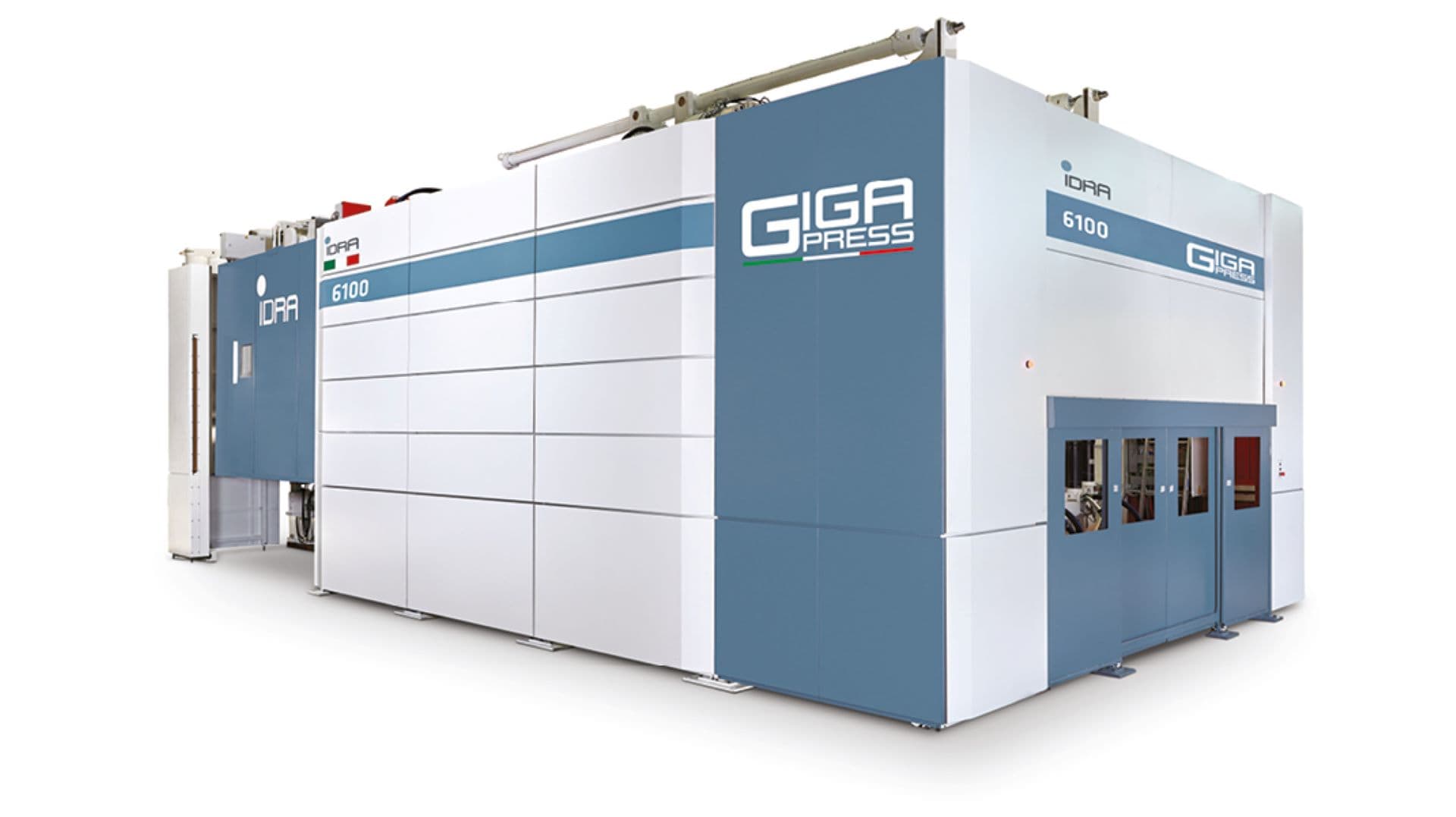
How Ford’s Shift to Megacasting Could Influence Vehicle Repair Costs
Ford Motor Company is planning to replace complex assemblies with giant, single-piece aluminium castings for its upcoming electric pickup. The...

The 9th Festival of Motoring is Here
The iconic Kyalami Grand Prix Circuit will once again come alive from 28–30 August 2026 as the Festival of Motoring (FoM), powered by WesBank...
Agibot Sets Its Sights on Europe as Humanoid Robot Competition Heats Up
Chinese robotics firm Agibot is accelerating its global expansion with a major push into Europe, partnering with automotive supplier Minth Group...
South Africa Embraces the New Era of Automotive Brands
South Africa’s automotive industry is undergoing a profound transformation. While traditional marques remain familiar and trusted, a growing...

BMW Expands Physical AI Innovation with New Leipzig Robotics Pilot
The BMW Group is strengthening its position as a leader in intelligent manufacturing with the launch of a new pilot project using humanoid robots...