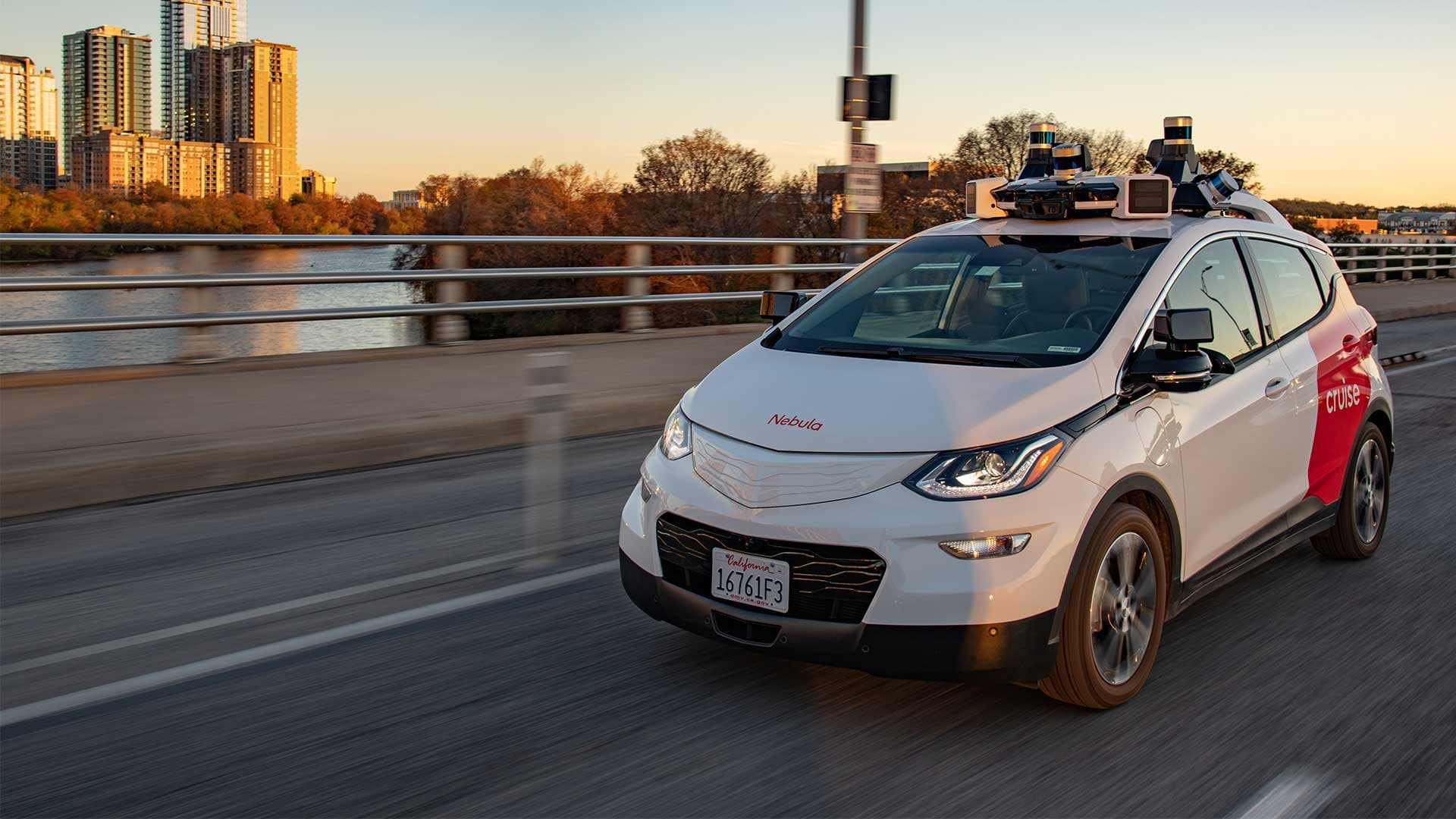
According to the American Automobile Association’s (AAA’s) latest survey on autonomous vehicles, most US drivers either express fear (66%) or uncertainty (25%) about fully self-driving vehicles – a fear that has not decreased since spiking last year.However, interest in semi-autonomous technologies such as Reverse Automatic Emergency Braking (AEB) and Lane Keeping Assistance remains high. The results infer that to alleviate concerns, the industry should continue to advance vehicle technologies reasonably and with overall consistency in performance.“There has been an increase in consumer fear over the past few years,” said Greg Brannon, the director of automotive engineering research for AAA. “Given the numerous and well–publicised incidents involving current vehicle technologies – it’s not surprising that people are apprehensive about their safety.”
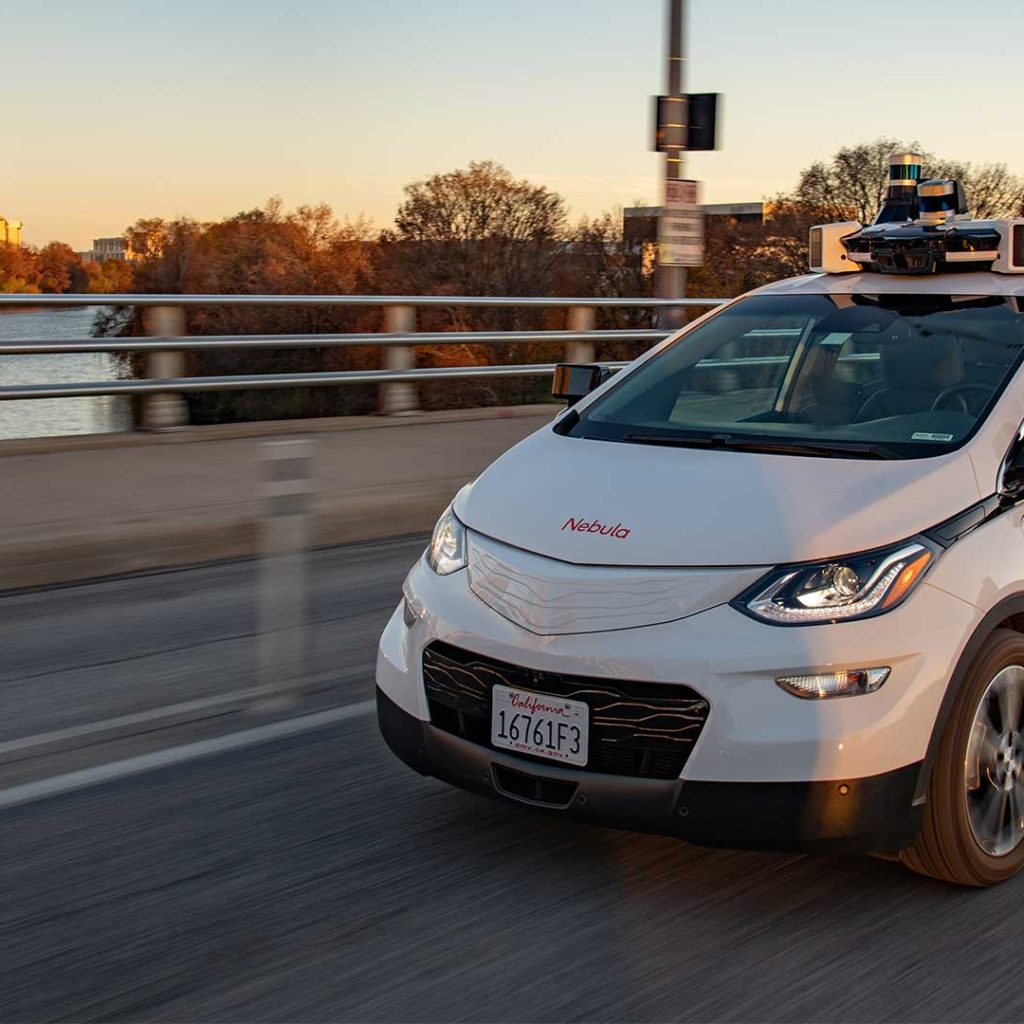
Despite people’s fears of self-driving cars, interest in advanced driver-assistance systems remains high. The AAA’s survey found that almost two-thirds of US drivers would want Reverse Automatic Emergency Braking (65%), Automatic Emergency Braking (63%), or Lane Keeping Assistance (62%) on their next vehicle. For interest to remain high, it’s crucial to ensure consistency in the performance and naming of these systems.Interestingly, most US drivers also believe AEB will stop the vehicle when another car, children, adult pedestrians, or bicyclists are in front of or behind the vehicle. However, recent AAA research found that Reverse AEB systems prevented a collision in only 1 of 40 test runs in the context of the backing-up scenarios involving a subject vehicle crossing behind the test vehicle and only 10 out of 20 test runs with the stationary child target behind the test vehicle.AAA believes to alleviate consumer concerns, ADAS performance should reflect reasonable and safe scenarios, with clear understanding of the limitations. Advanced vehicle safety technology should enhance driver awareness rather than give the impression of replacing a vigilant driver. When asked if there were cars available that drive themselves while you sleep – fully self-driving vehicles are not yet available for purchase by consumers – four in ten drivers were unsure or thought they could buy a car that drives itself while they sleep, an important safety concern of these technologies.“AAA looks to collaborate with automakers to establish uniformity in system naming and performance across the industry. By working together, we can assist consumers in understanding the technology present in their vehicles and educate them on how, when and where to use such systems properly. This initiative will help to instil confidence in the drivers of the cars of tomorrow with greater levels of automated technologies,” said Brannon.
Staff Writer
Reporting from the front lines of the collision repair industry, delivering expert analysis and the technical updates that drive the African automotive sector forward.
More From Motoring
Technology Bundles Deliver Major Safety Gains, New Analysis Shows
A growing body of evidence suggests that modern driver assistance technologies are significantly reducing road crashes, and new research into...
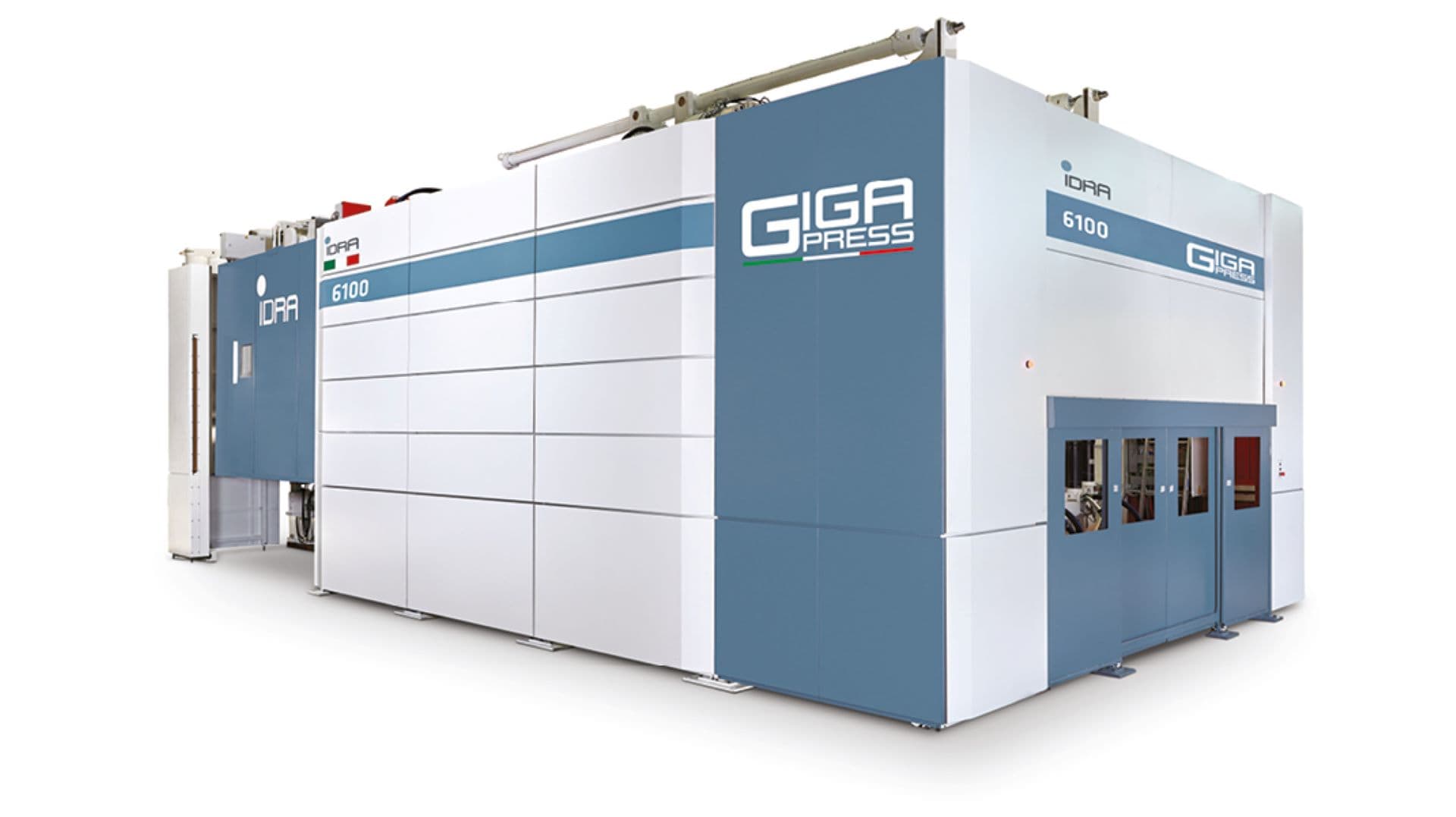
How Ford’s Shift to Megacasting Could Influence Vehicle Repair Costs
Ford Motor Company is planning to replace complex assemblies with giant, single-piece aluminium castings for its upcoming electric pickup. The...

The 9th Festival of Motoring is Here
The iconic Kyalami Grand Prix Circuit will once again come alive from 28–30 August 2026 as the Festival of Motoring (FoM), powered by WesBank...
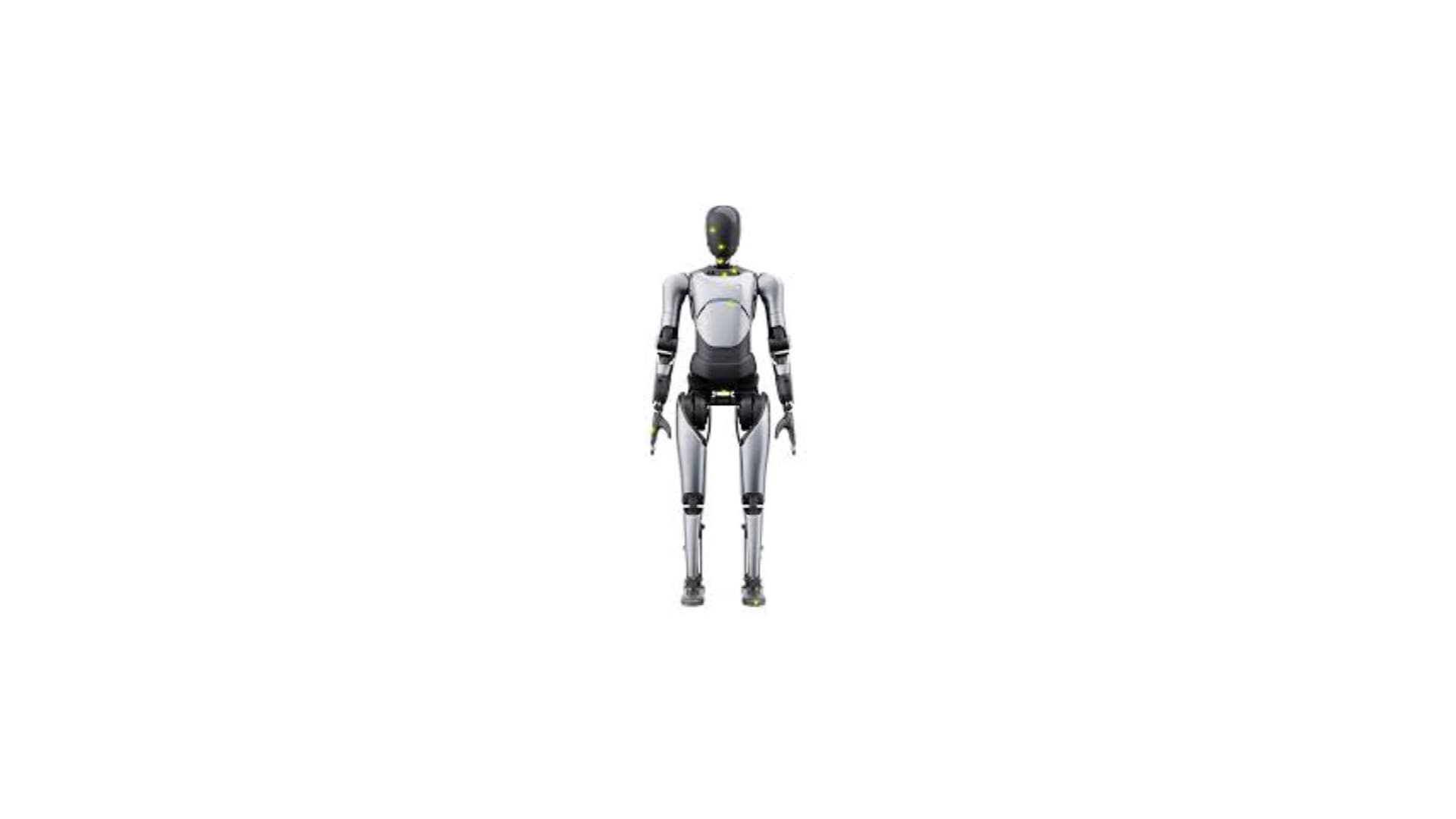
Agibot Sets Its Sights on Europe as Humanoid Robot Competition Heats Up
Chinese robotics firm Agibot is accelerating its global expansion with a major push into Europe, partnering with automotive supplier Minth Group...
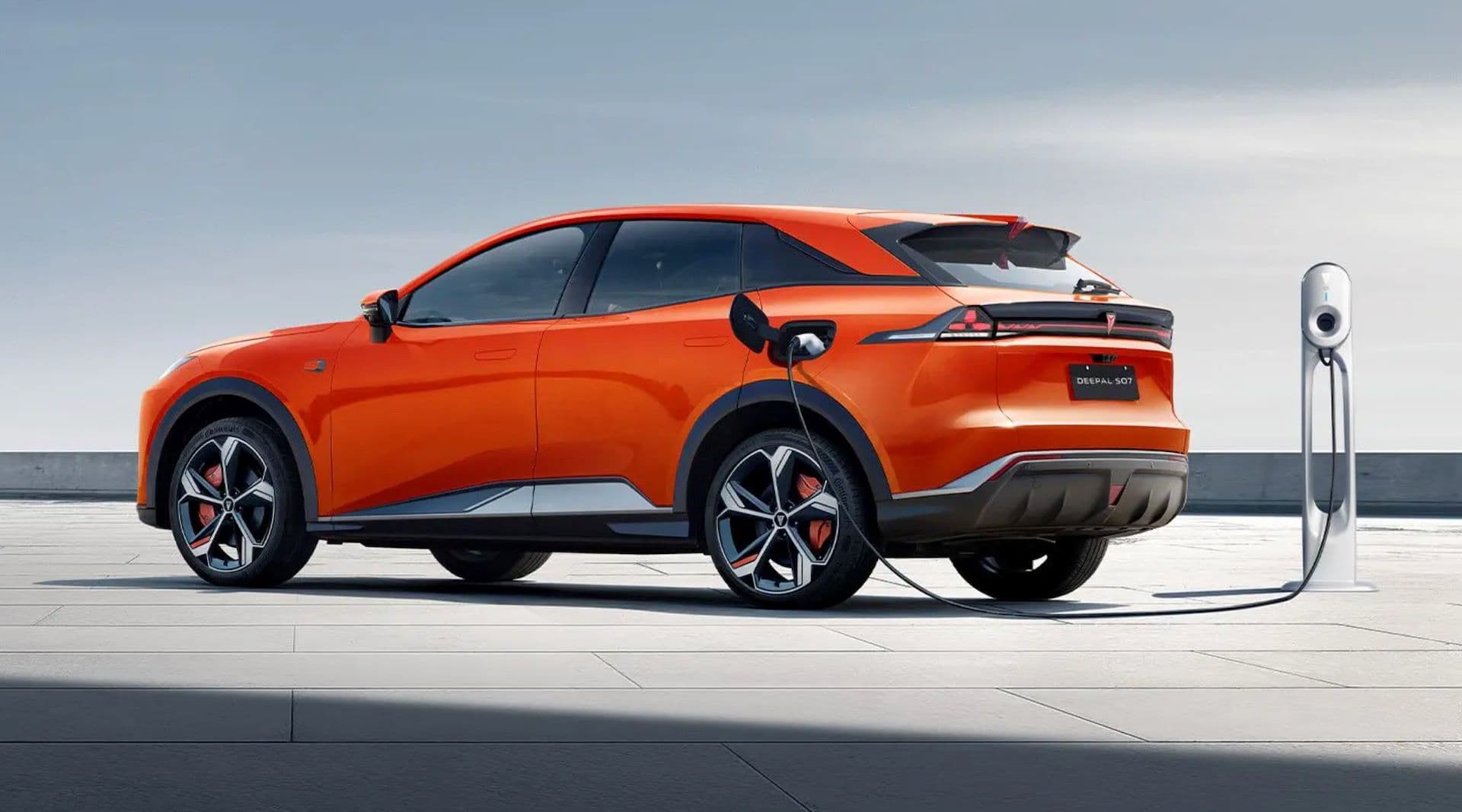
South Africa Embraces the New Era of Automotive Brands
South Africa’s automotive industry is undergoing a profound transformation. While traditional marques remain familiar and trusted, a growing...
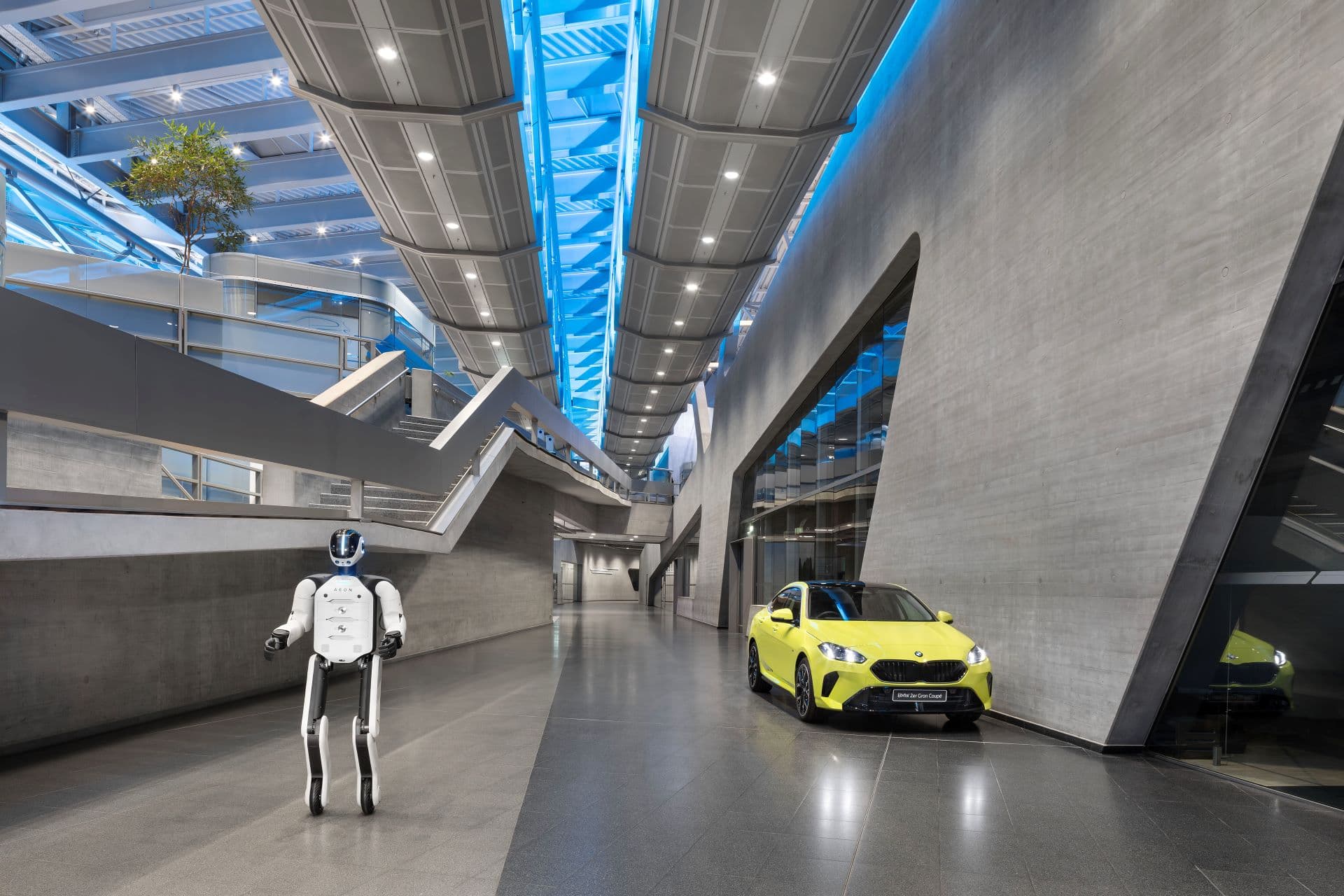
BMW Expands Physical AI Innovation with New Leipzig Robotics Pilot
The BMW Group is strengthening its position as a leader in intelligent manufacturing with the launch of a new pilot project using humanoid robots...