
The European Union (EU) is set to introduce significantly strengthened rules governing how vehicles are designed, built and dismantled after negotiators from the European Parliament and the Council reached a provisional agreement on a new End of life Vehicles (ELV) Regulation.
The initiative targets one of Europe’s most resource intensive sectors. With the automotive industry consuming vast quantities of steel, aluminium, copper and plastics, EU lawmakers aim to ensure that more of these materials remain in circulation within the bloc. Improved collection, dismantling and processing standards are expected to boost recovery rates and reduce reliance on imported raw materials.
According to the Commission, the new framework could enable the recycling and reuse of substantial volumes of critical materials each year, including rare earth elements and millions of tonnes of metals—supporting both climate objectives and industrial resilience.
Key Policy Measures
The proposed regulation introduces several notable requirements:
Design for dismantling: Future vehicles must be engineered so components can be removed more easily, supported by detailed manufacturer instructions for both maintenance and end of life handling.
Mandatory recycled plastic content: From 2036, at least a quarter of all plastics used in vehicles must come from recycled sources, with 20% specifically derived from end of life vehicles. This marks the EU’s first mandatory threshold for recycled plastic use in the automotive sector.

Higher treatment standards: At least 30% of plastics recovered from end of life vehicles must be recycled to a high quality.
Promotion of reuse and refurbishment: Measures aim to expand the supply of affordable second-hand spare parts by encouraging remanufacturing and repair.
Stronger producer responsibility: Harmonised Extended Producer Responsibility schemes will standardise how manufacturers finance end of life vehicle treatment.
Tighter enforcement: Authorities will increase inspections and ensure only roadworthy vehicles may be exported, preventing the improper disposal of vehicles outside the EU.
Next Steps
Once formally adopted by the Parliament and Council, the regulation will take effect 20 days after its publication in the EU’s Official Journal.
The initiative follows longstanding concerns about millions of untracked vehicles disappearing from EU records each year, reflecting gaps in the current system. It also aligns with broader EU strategies on raw materials, industrial competitiveness and the transition to a circular economy.
Staff Writer
Reporting from the front lines of the collision repair industry, delivering expert analysis and the technical updates that drive the African automotive sector forward.
More From News

Must Read: Competition Case in Botswana Could Reshape the Regional Repair Market
A Botswana competition case could influence insurer-repairer relationships and reshape vehicle repair markets across Southern Africa.

What drivers should look for when collecting a vehicle after collision repairs
Experts from South African Motor Body Repairers' Association explain how motorists can inspect their vehicle after collision repairs, covering panel gaps, paint finish and functionality checks.
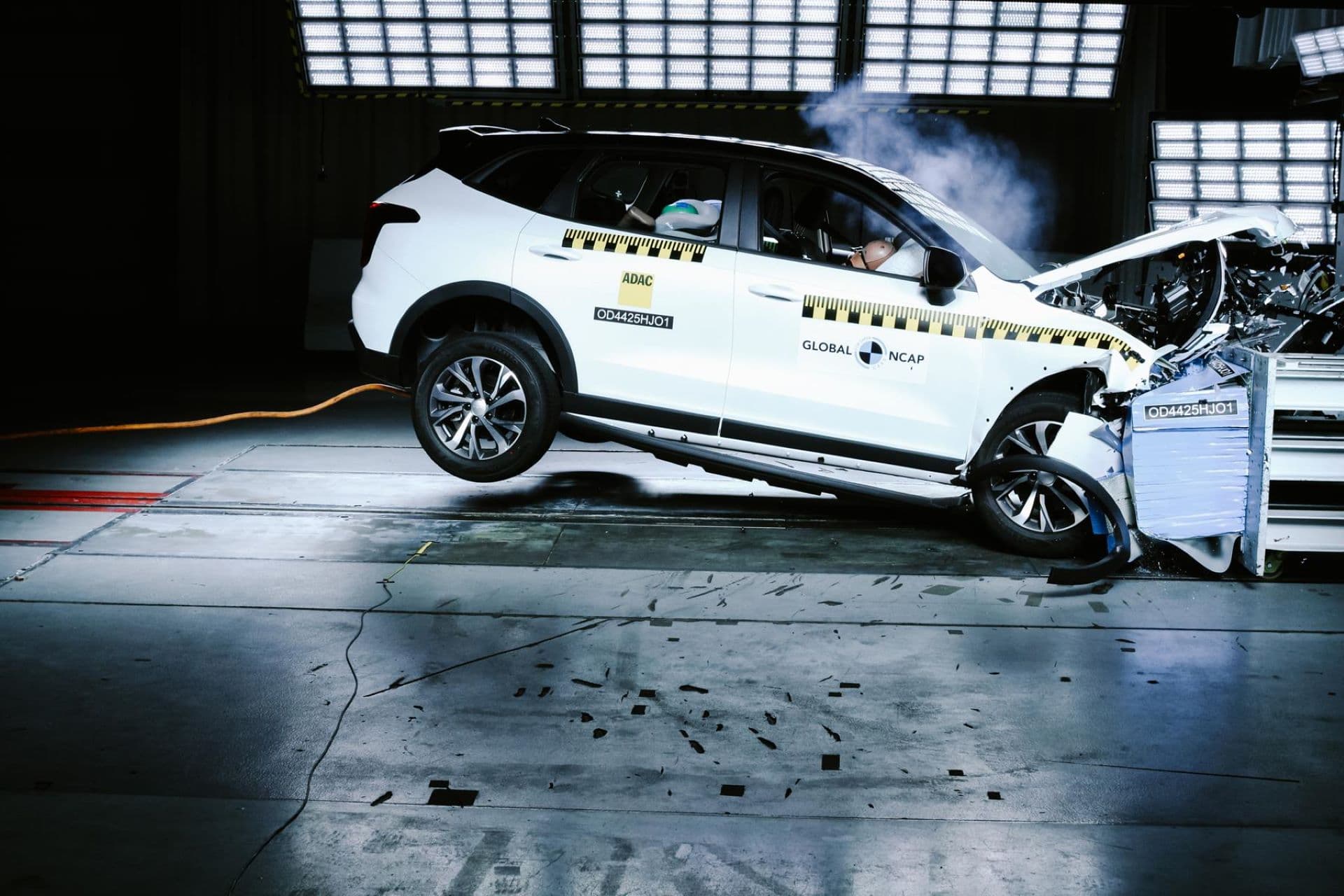
Entry-Level Cars Under Fire in Latest Crash Tests
South Africa’s entry-level cars face scrutiny after GNCAP crash tests reveal poor safety ratings for the Haval Jolion and Kia Sonet, prompting concern.
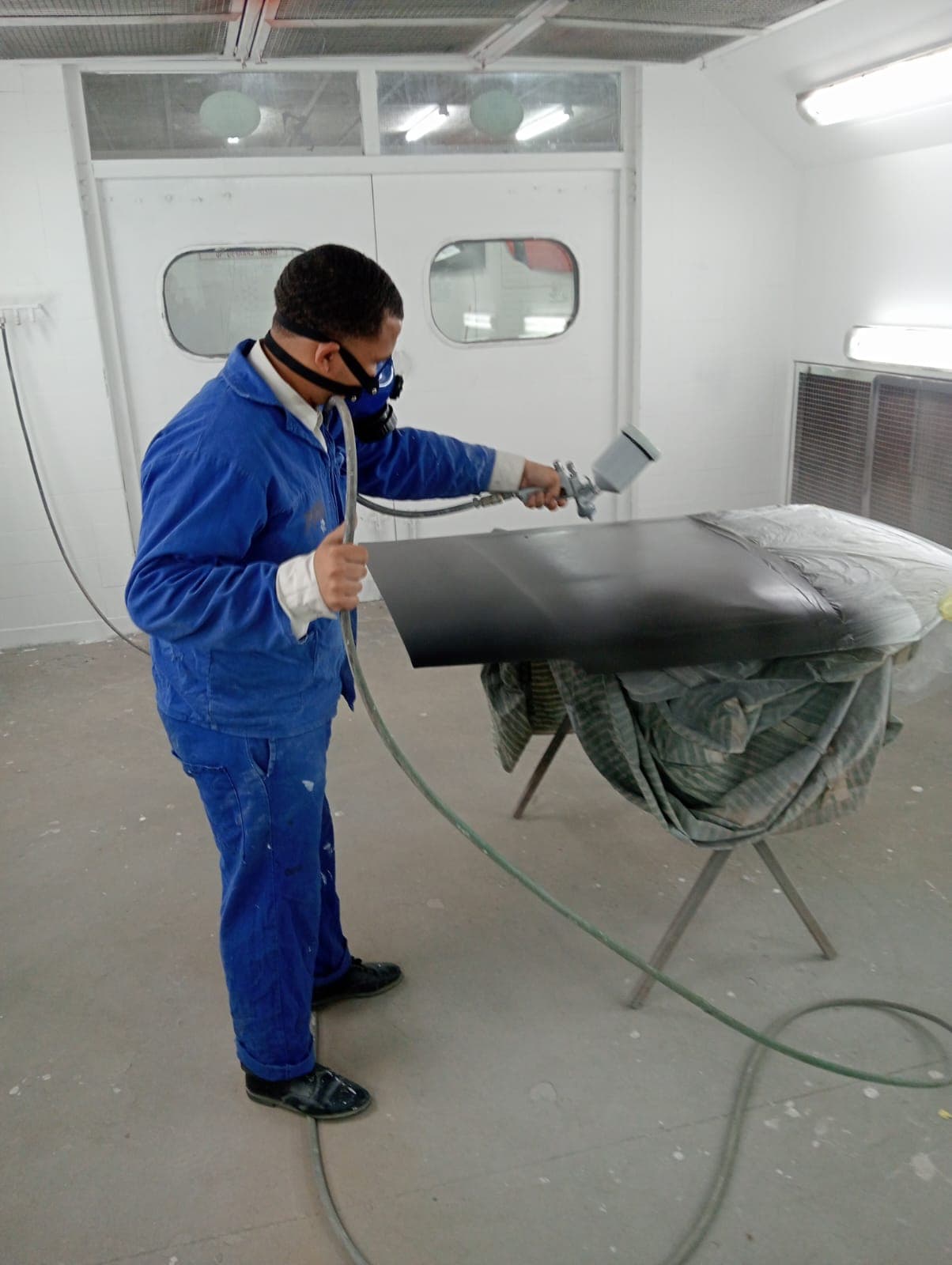
SAMBRA initiative puts young automotive talent in the spotlight
MIWA and SAMBRA host youth automotive competitions in Eastern Cape, offering training, hands-on experience and career pathways for young learners in 2026.

Hella returns to thermal management with long-term aftermarket push
Hella South Africa expands its thermal management range, targeting evolving vehicle technologies with 6,000+ SKUs planned by 2027.

Hino SA Honoured for Aftersales Excellence
Hino South Africa received two global awards for service and parts excellence, reinforcing its leadership in aftersales support.