
New research from the American Automobile Association (AAA) indicates that advanced driver assistance systems require human intervention approximately every nine minutes during congested traffic conditions, highlighting potential safety implications for automated driving technology.
The investigation examined five passenger cars equipped with low-speed active driving assistance (ADA) capabilities, assessing both hands-on and hands-off system performance in heavy traffic scenarios. AAA's automotive engineering team documented intervention requirements and system limitations throughout the testing process.
"While ADA technology offers valuable support in specific driving scenarios, it cannot substitute for active driver attention," explained Greg Brannon, AAA's Director of Automotive Engineering Research. "Our findings underscore the critical importance of maintaining driver alertness and minimizing distractions, particularly in challenging traffic environments."
The research documented significant events occurring every 3.2 miles (5.2 kilometres), translating to roughly 9.1-minute intervals. These events encompassed any instance where the ADA system proved insufficient for prevailing road conditions, necessitating researcher intervention.
Cut-in scenarios—where vehicles merge directly ahead of the test car—presented the greatest challenge, requiring human intervention in 90 percent of cases. Deficient lane-centering assistance emerged as the second most problematic area.
A notable distinction emerged between system types. Hands-on configurations, which mandate continuous steering wheel contact, demanded intervention three times more frequently than hands-off alternatives that permit temporary hand removal under most circumstances.
For hands-off systems, drivers received re-engagement prompts approximately every five miles (eight kilometres) or 15.3 minutes, demonstrating the ongoing need for driver readiness despite advanced automation capabilities.
The AAA study recommends that manufacturers prioritize ADA performance improvements and enhance alert visibility regarding system activation status, ensuring drivers maintain clear awareness of when assistance features are operational.

Staff Writer
Reporting from the front lines of the collision repair industry, delivering expert analysis and the technical updates that drive the African automotive sector forward.
More From Motoring

Technology Bundles Deliver Major Safety Gains, New Analysis Shows
A growing body of evidence suggests that modern driver assistance technologies are significantly reducing road crashes, and new research into...
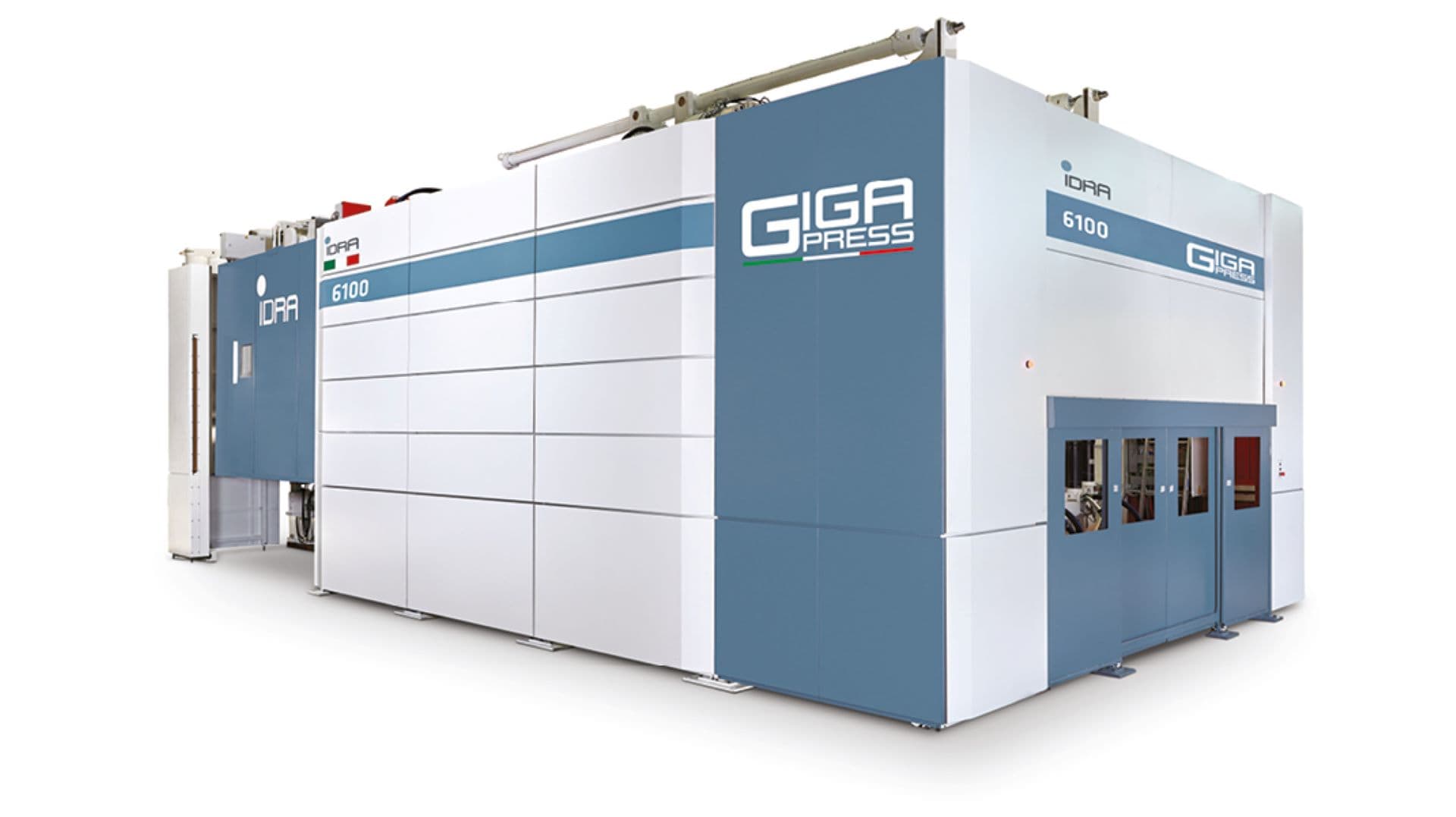
How Ford’s Shift to Megacasting Could Influence Vehicle Repair Costs
Ford Motor Company is planning to replace complex assemblies with giant, single-piece aluminium castings for its upcoming electric pickup. The...

The 9th Festival of Motoring is Here
The iconic Kyalami Grand Prix Circuit will once again come alive from 28–30 August 2026 as the Festival of Motoring (FoM), powered by WesBank...

Agibot Sets Its Sights on Europe as Humanoid Robot Competition Heats Up
Chinese robotics firm Agibot is accelerating its global expansion with a major push into Europe, partnering with automotive supplier Minth Group...

South Africa Embraces the New Era of Automotive Brands
South Africa’s automotive industry is undergoing a profound transformation. While traditional marques remain familiar and trusted, a growing...
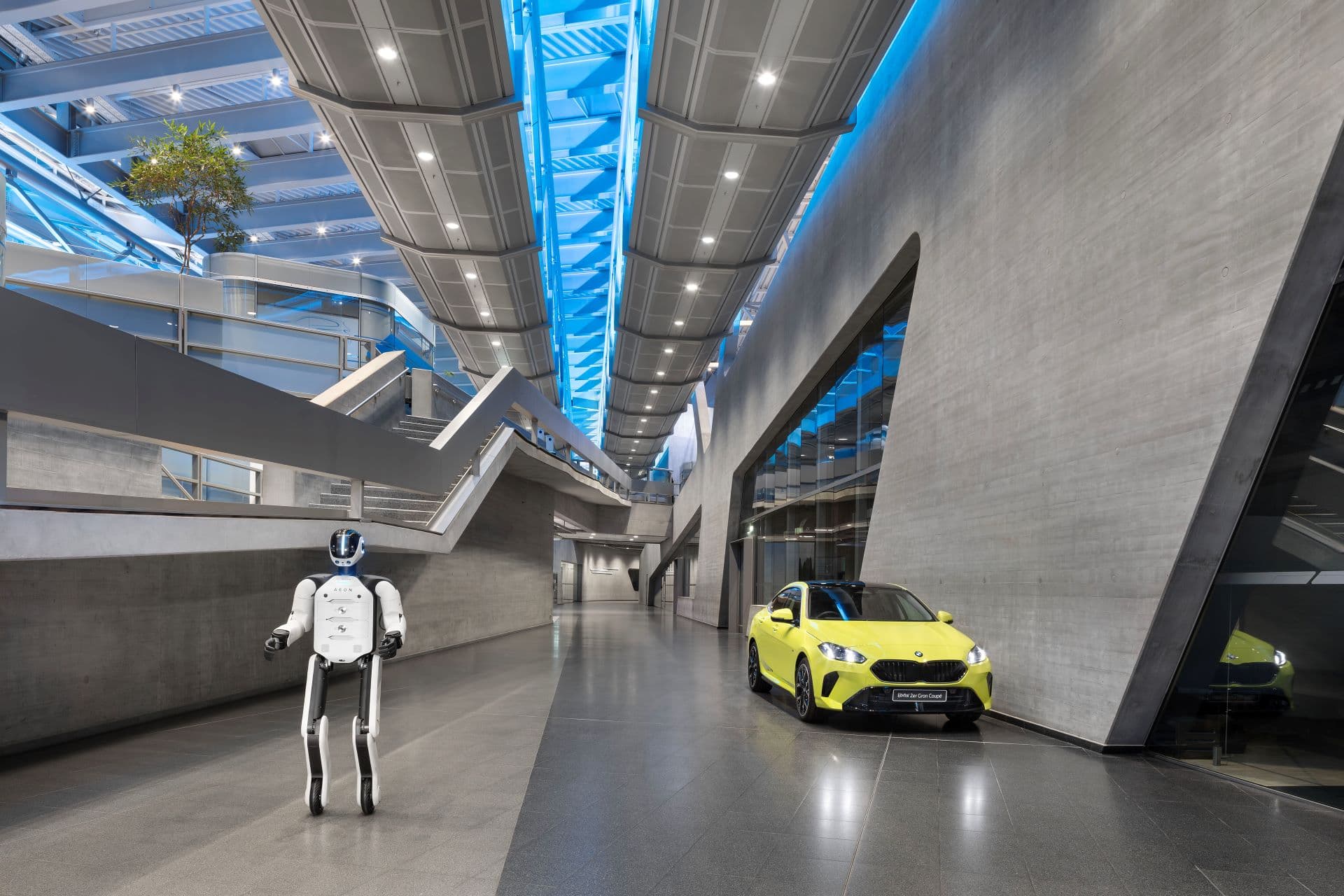
BMW Expands Physical AI Innovation with New Leipzig Robotics Pilot
The BMW Group is strengthening its position as a leader in intelligent manufacturing with the launch of a new pilot project using humanoid robots...