The South African Motor Body Repairers’ Association (SAMBRA) is drawing urgent attention to a landmark United States legal case that has reshaped international conversations about repair standards.
In the Dallas matter involving John Eagle Collision Centre, the workshop was ordered to pay roughly R507 million (±$31.5 million) after a jury found it liable for catastrophic injuries linked directly to an improper repair.
According to court testimony, the body shop had repaired a hail-damaged Honda Fit by bonding — rather than welding — a replacement roof, despite Honda’s official repair manual requiring more than 100 weld points. Years later, when the vehicle was involved in a severe collision, the glued roof failed structurally, contributing to serious burn injuries for the occupants. A Texas jury ultimately awarded total damages of nearly R676 million (±$41.966 million), holding John Eagle 75% responsible.
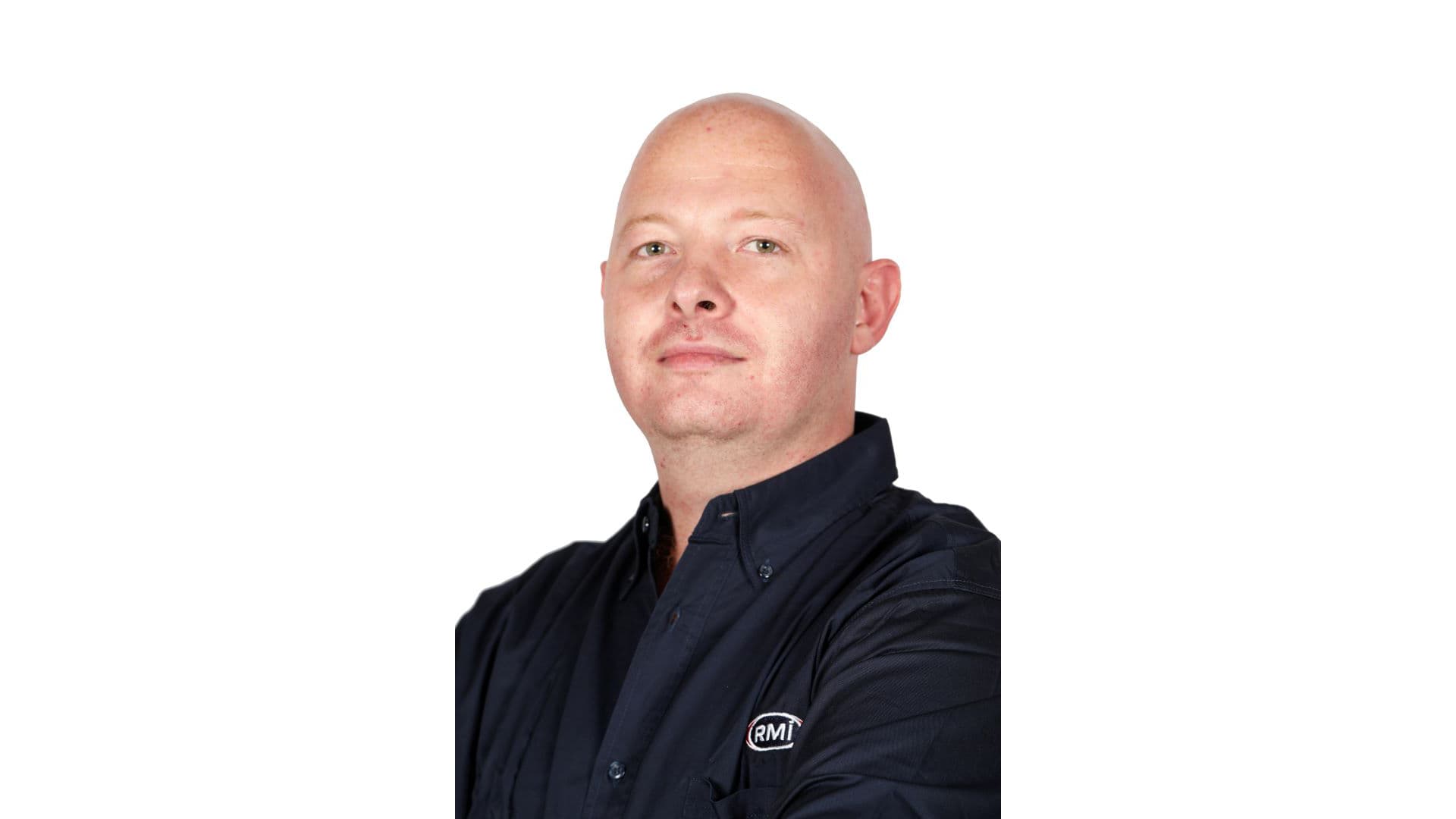
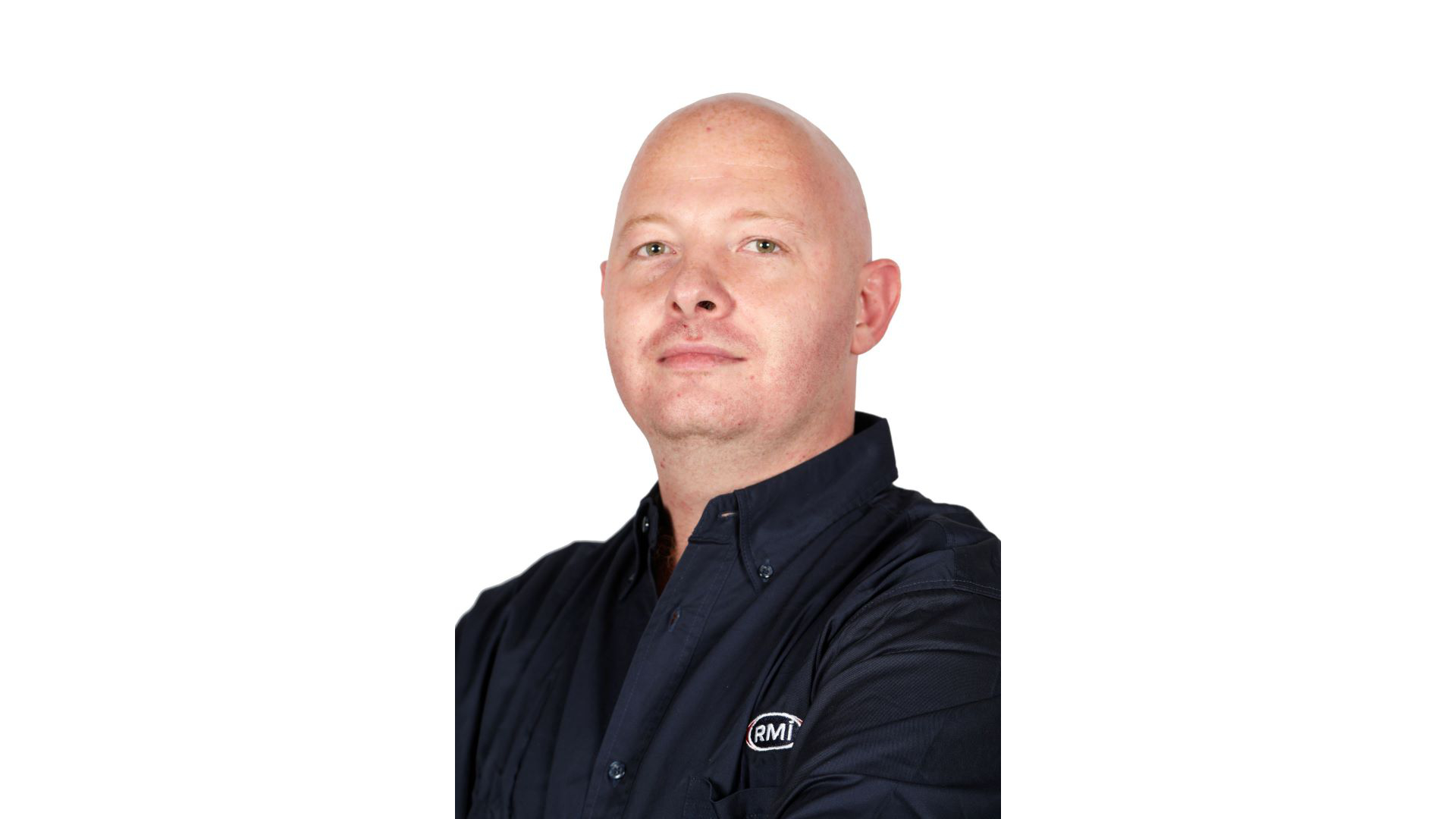
Juan Hanekom, SAMBRA’s National Director, says this case is a stark lesson for South Africa’s market. He stresses that every vehicle — whether repaired for hail damage, cosmetic issues or major structural work — must be restored strictly according to the manufacturer’s approved methods. Any shortcut, he warns, compromises not only the car’s integrity but also the safety of its occupants and could expose repairers and insurers to substantial legal liability.
Brandon Cohen, National Chairperson of NADA, echoes this concern, noting that modern vehicles are highly sophisticated machines with complex safety systems validated by both manufacturers and independent crash-testing bodies such as NCAP. Following OEM specifications, he says, is the only reliable way to ensure the vehicle performs safely in future collisions.
Hanekom adds that the issue is particularly relevant given recent hailstorms across the region, where many motorists may underestimate the seriousness of roof or panel repairs. Even seemingly minor repairs can affect structural rigidity if performed incorrectly. He therefore urges consumers to insist on SAMBRA-accredited repairers, who are trained and audited to follow OEM specifications.
In the U.S. case, allegations indicated that insurer pressure played a role in steering the repairer toward the cheaper adhesive method. This, Hanekom explains, is precisely why SAMBRA continues to advocate for strict ethical standards and adherence to OEM procedures.
He warns that South African insurers and repairers face similar liability exposure if they bypass approved methods. Should a vehicle fail in a later crash because of unauthorised shortcuts — particularly involving roofs, pillars or fuel systems — the responsible party could face significant legal consequences.
SAMBRA advises motorists to check the accreditation status of their repairer and to obtain written confirmation that OEM procedures will be followed. As Hanekom concludes, the John Eagle case demonstrates how hidden repair shortcuts can lead to life-altering outcomes.
Staff Writer
Reporting from the front lines of the collision repair industry, delivering expert analysis and the technical updates that drive the African automotive sector forward.
More From News

Must Read: Competition Case in Botswana Could Reshape the Regional Repair Market
A Botswana competition case could influence insurer-repairer relationships and reshape vehicle repair markets across Southern Africa.
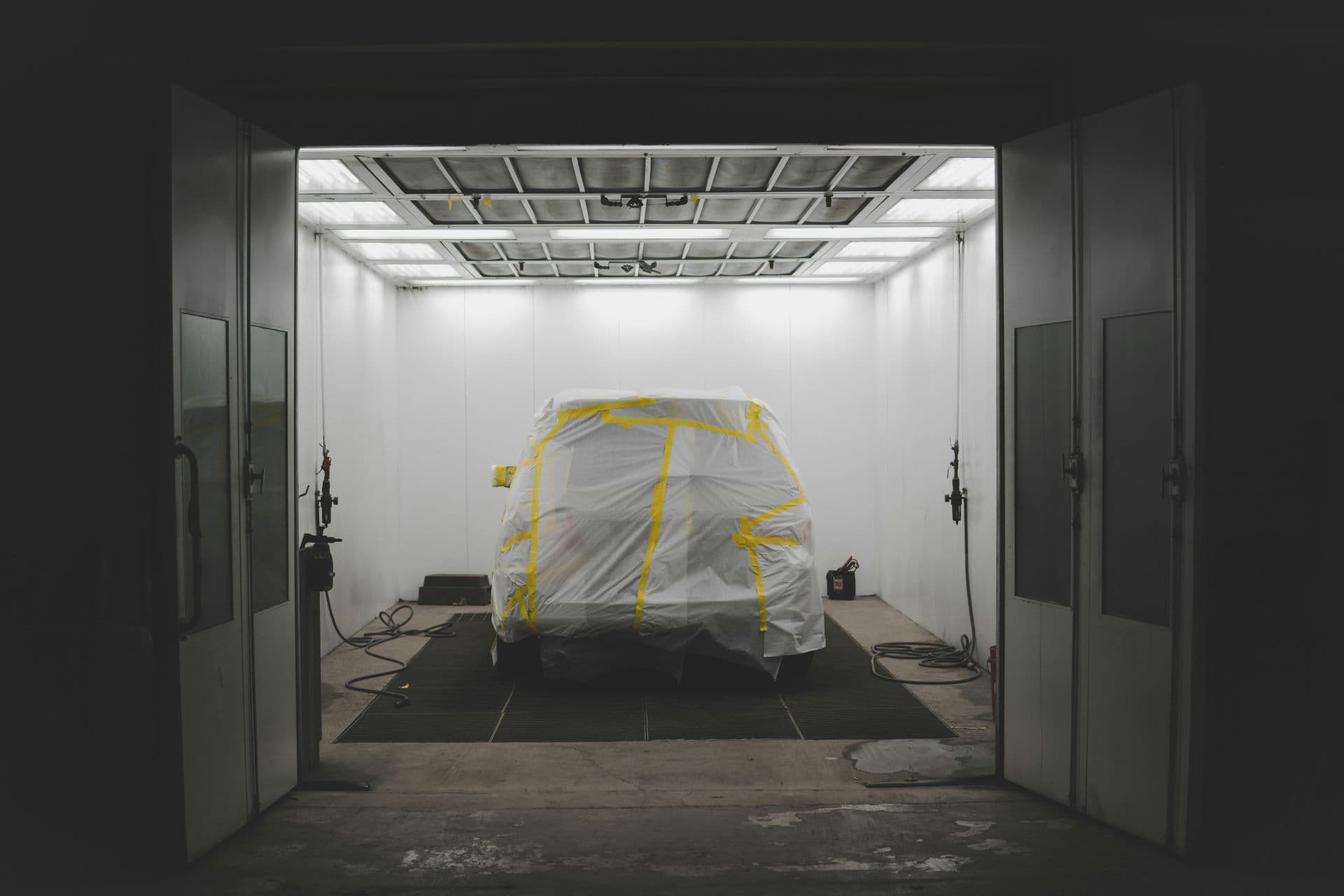
What drivers should look for when collecting a vehicle after collision repairs
Experts from South African Motor Body Repairers' Association explain how motorists can inspect their vehicle after collision repairs, covering panel gaps, paint finish and functionality checks.
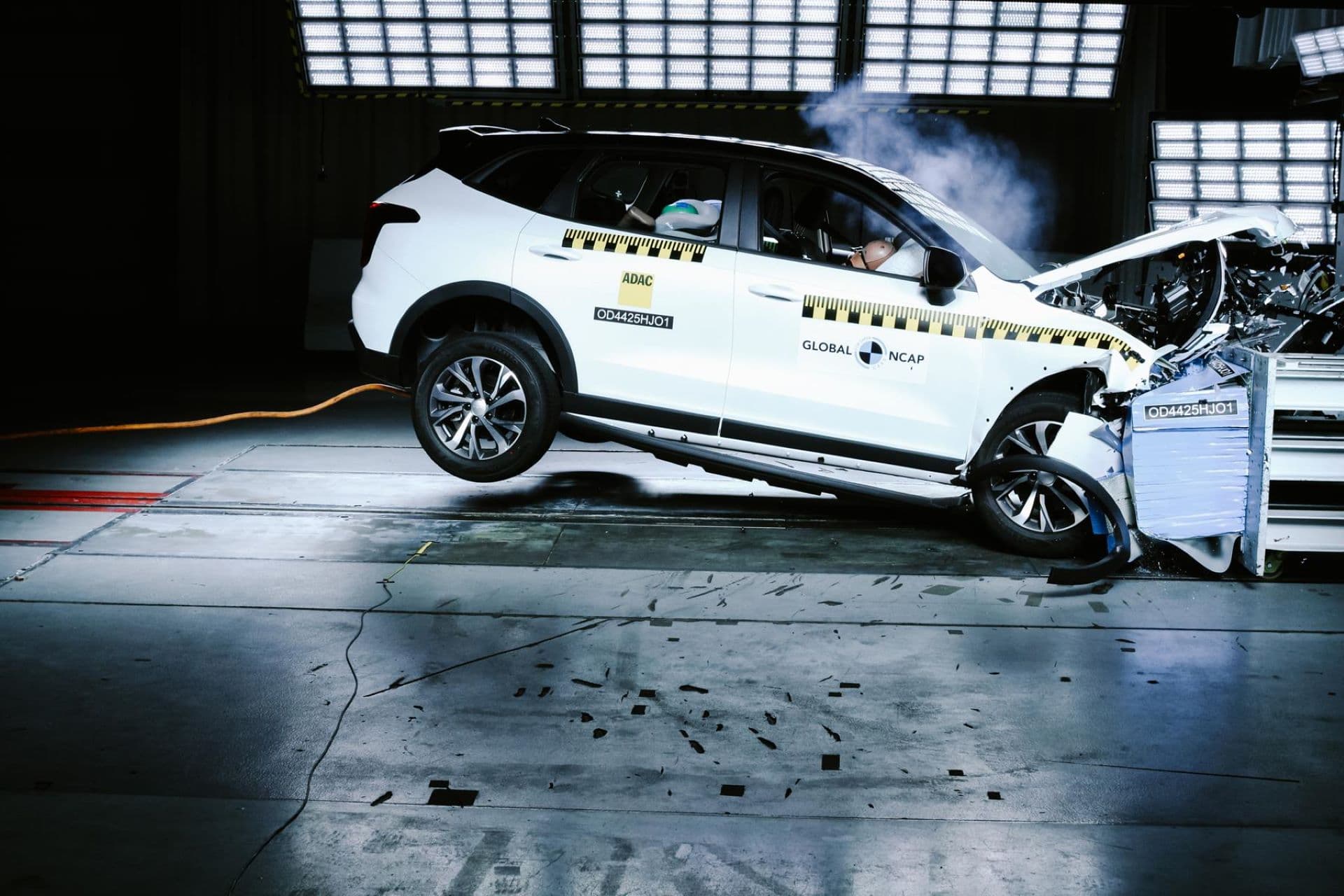
Entry-Level Cars Under Fire in Latest Crash Tests
South Africa’s entry-level cars face scrutiny after GNCAP crash tests reveal poor safety ratings for the Haval Jolion and Kia Sonet, prompting concern.
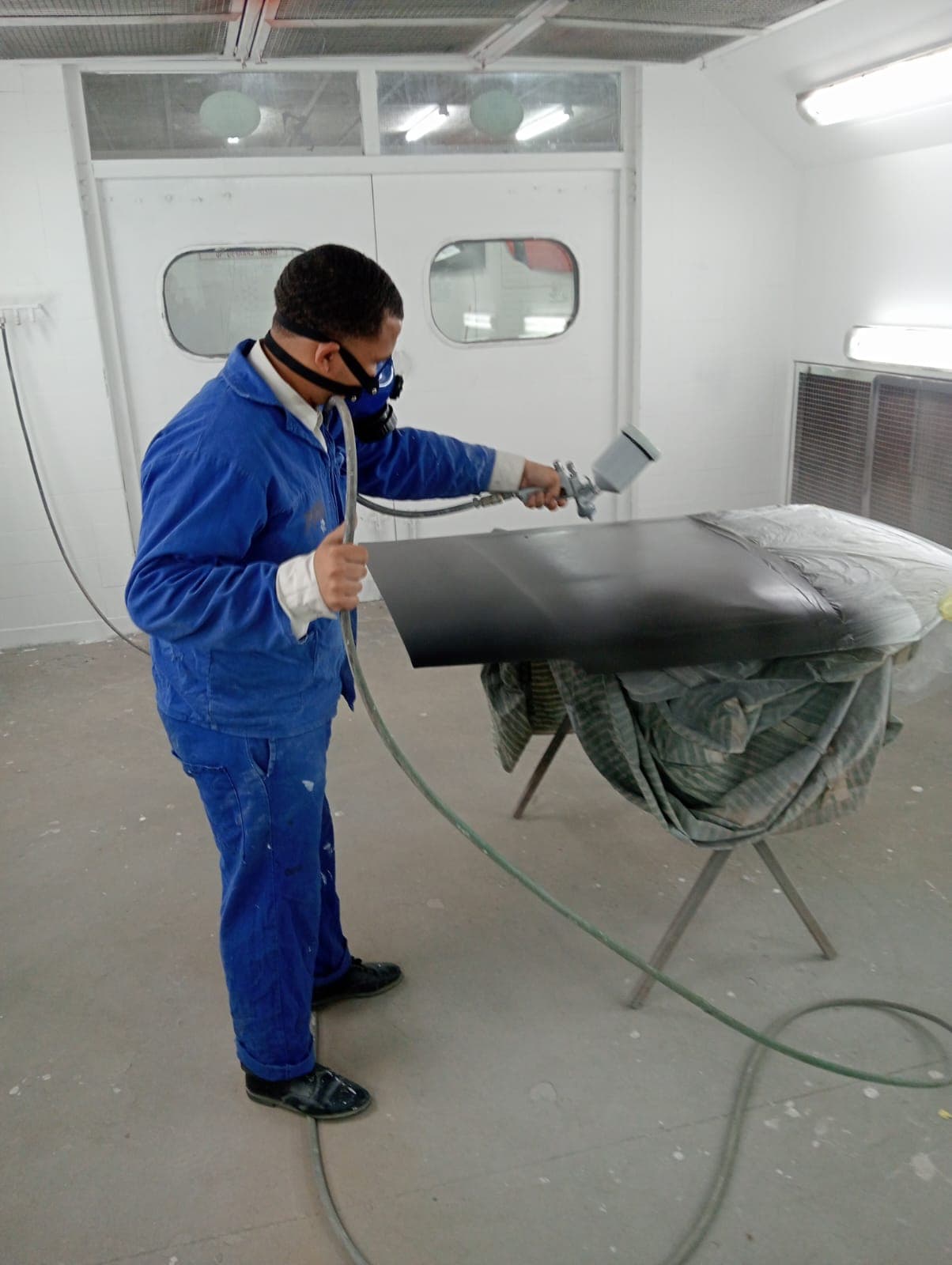
SAMBRA initiative puts young automotive talent in the spotlight
MIWA and SAMBRA host youth automotive competitions in Eastern Cape, offering training, hands-on experience and career pathways for young learners in 2026.
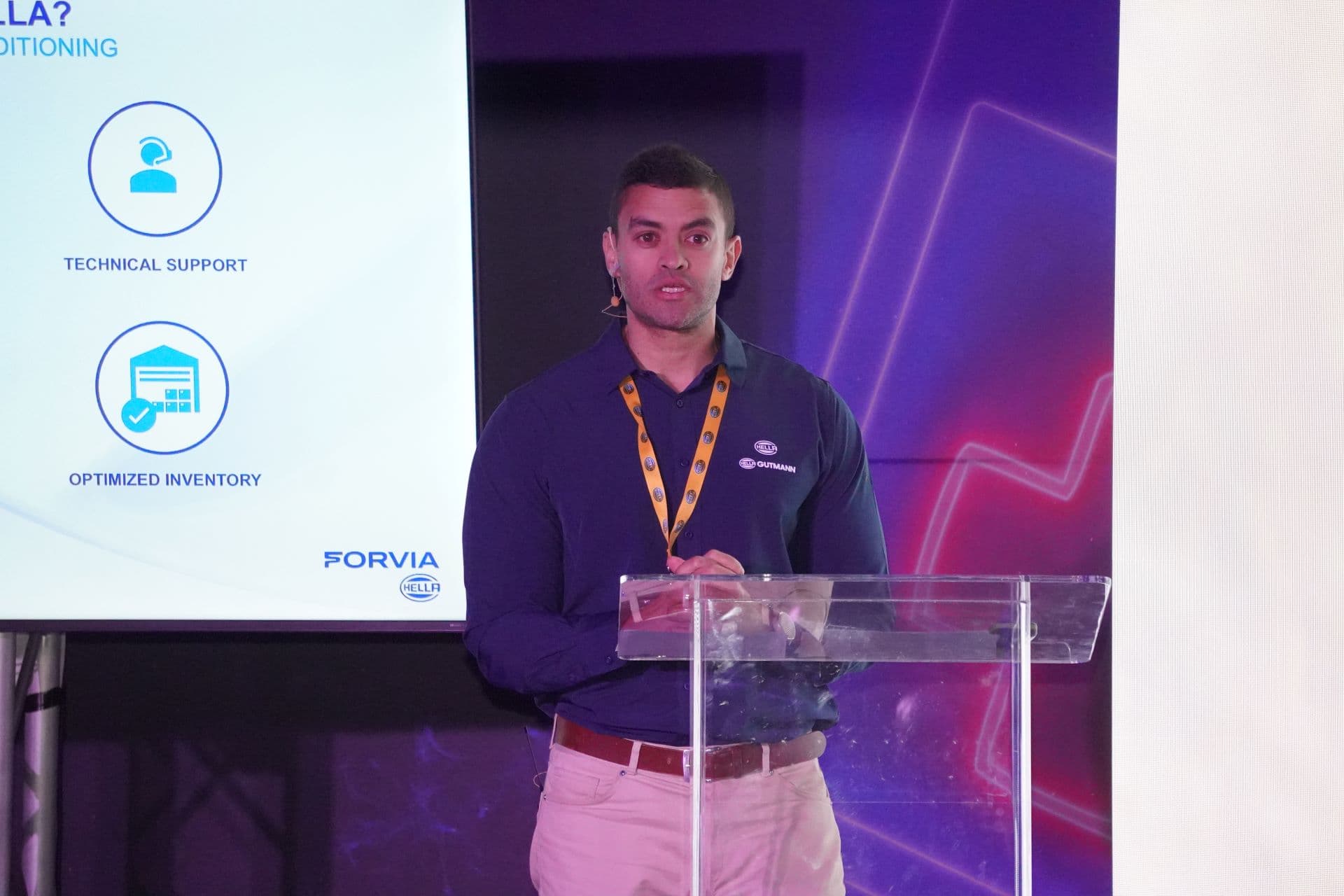
Hella returns to thermal management with long-term aftermarket push
Hella South Africa expands its thermal management range, targeting evolving vehicle technologies with 6,000+ SKUs planned by 2027.
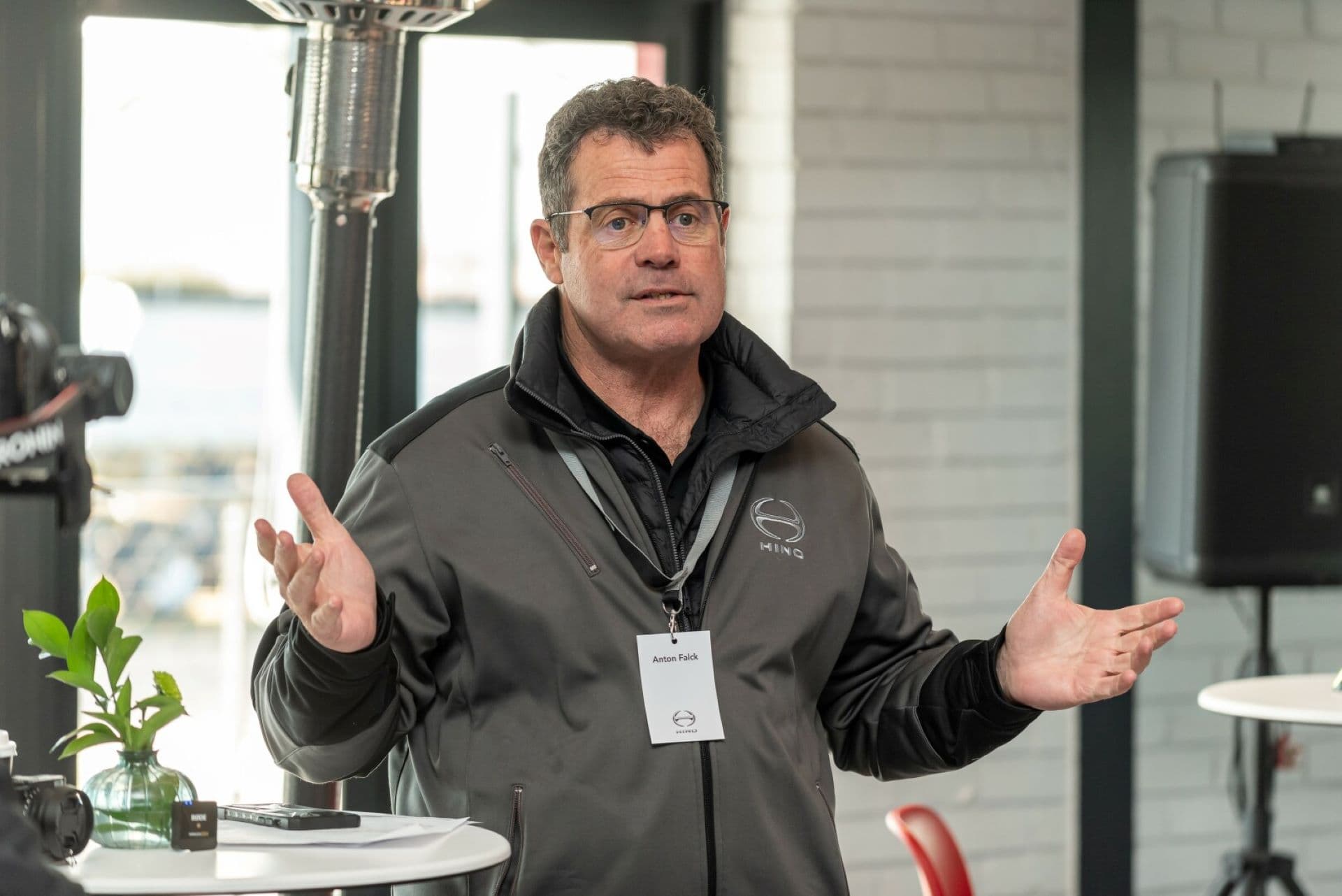
Hino SA Honoured for Aftersales Excellence
Hino South Africa received two global awards for service and parts excellence, reinforcing its leadership in aftersales support.