Partnership-led skills development is no longer a nice-to-have. It is a requirement for building the workforce South Africa needs. That was the key takeaway from the Retail Motor Industry Organisation (RMI) after attending the 5th HRDC-SA Summit 2026 on 16 and 17 April.
The Human Resource Development Council of South Africa (HRDC-SA) is chaired by the Deputy President and administered by the Minister of Higher Education and Training. As a national advisory body, it plays a central role in shaping human resource development by aligning skills planning with the country’s economic priorities and transformation goals.
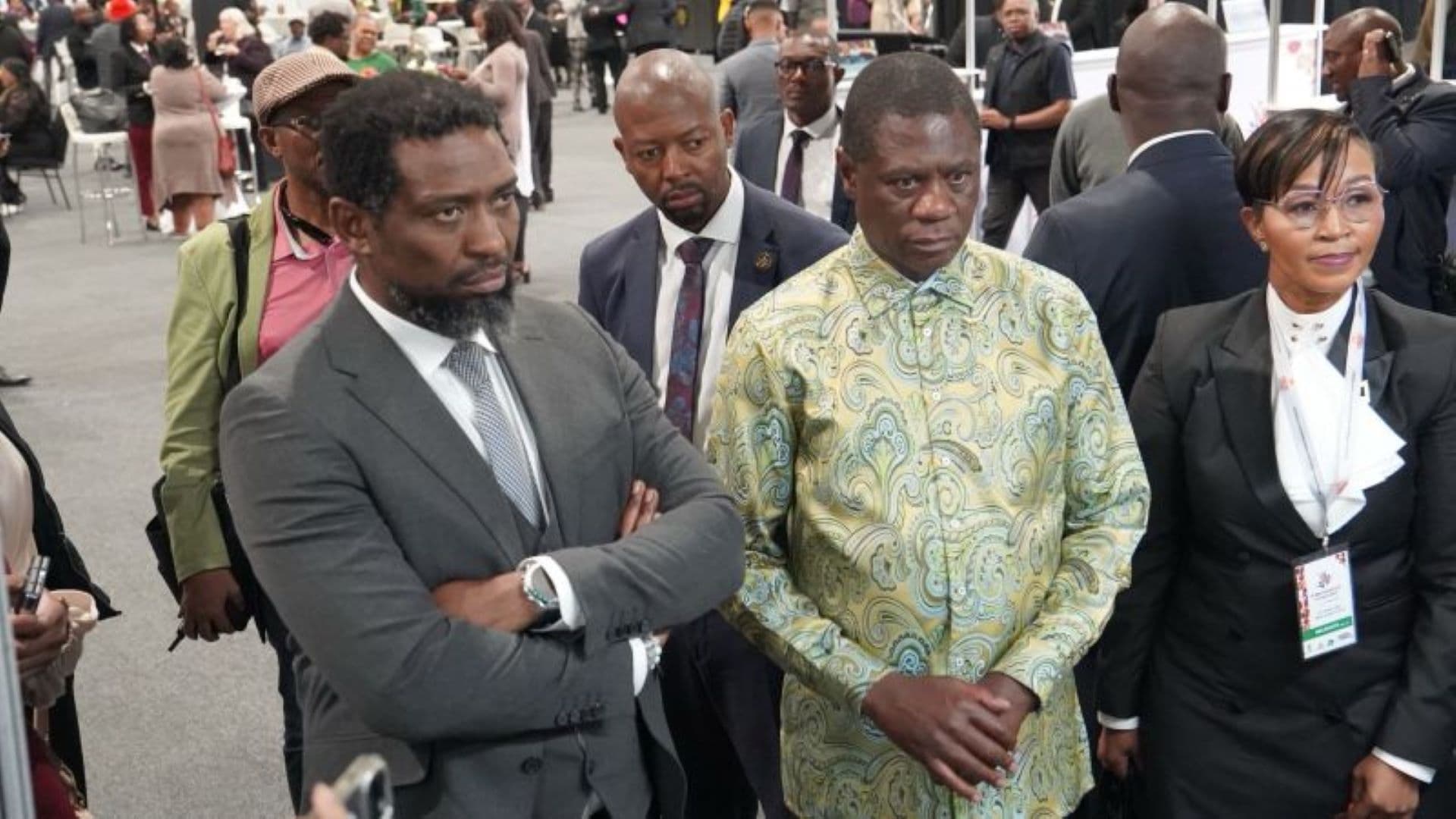
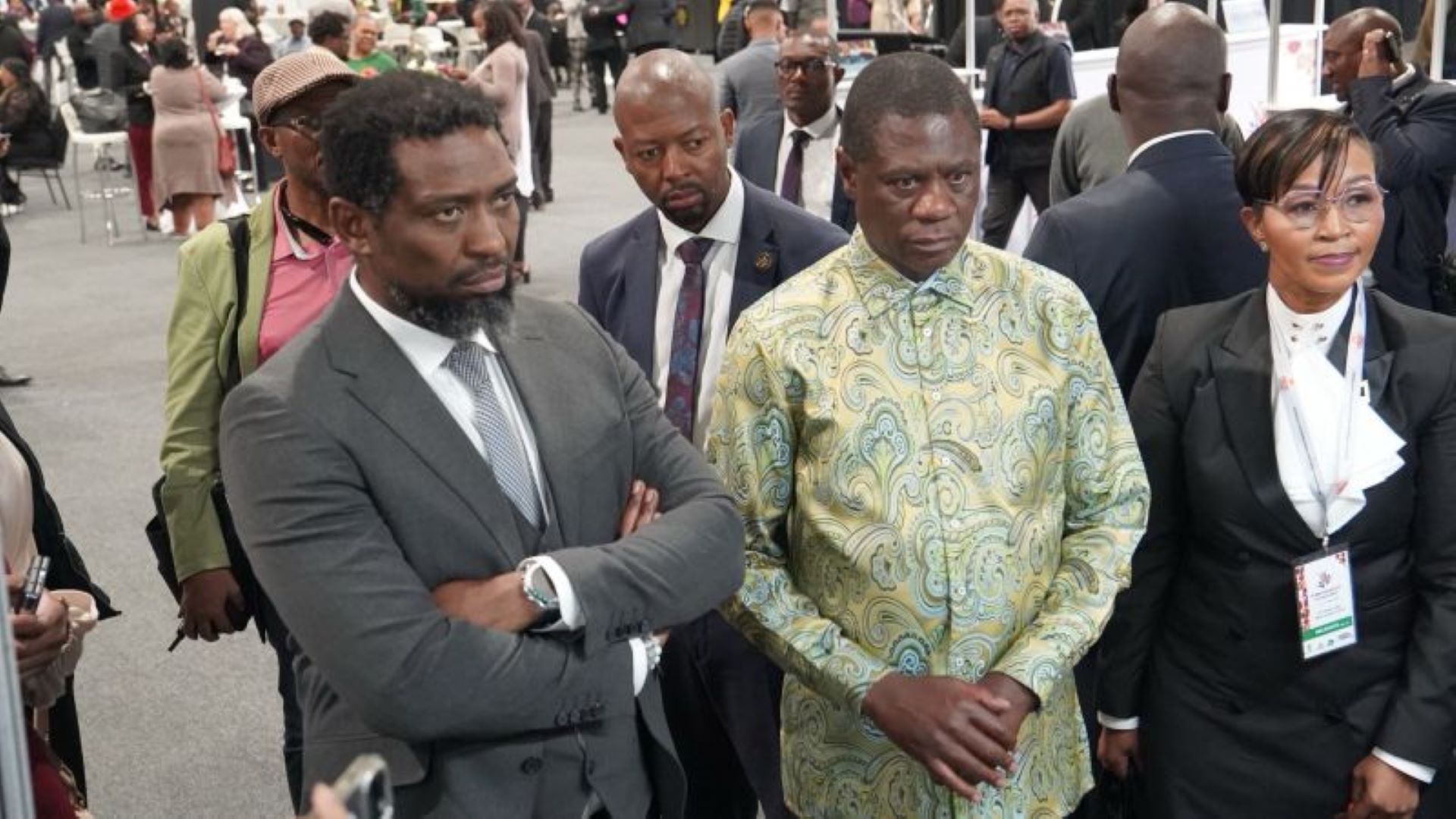
At the summit, the RMI and its partners hosted exhibition stands that attracted significant interest, including visits from Deputy President Paul Mashatile and Higher Education and Training Minister Buti Manamela. Both leaders engaged with industry representatives to better understand how joint initiatives are strengthening automotive training and workplace readiness.
The organisation also acknowledged MerSETA’s continued involvement, specifically recognising Acting CEO Naphtaly Mokgotsane for supporting partnerships that reinforce the country’s broader skills ecosystem.
RMI National Training Director Louis van Huyssteen stressed that the sector’s ability to develop competent artisans depends on active coordination between employers, training providers and quality assurance bodies.
“Skills development in our sector cannot happen in isolation. It requires strong, aligned partnerships between industry, training institutions, and quality assurance bodies. Each plays a vital role, and without this collaboration, the system simply cannot function effectively,” he said.
RMI staff were supported at the summit by a range of stakeholders, including MerSETA representatives, the College of Cape Town, and technical specialists who showcased how each contributor helps create training that is more responsive to industry needs.
A recurring theme was the importance of Technical and Vocational Education and Training (TVET) colleges working closely with RMI-accredited employers. These relationships are essential to ensure apprentices gain meaningful workplace exposure, while employers and colleges alike must keep pace with the tools and technologies now standard in modern repair and maintenance environments.
Vehicle diagnostics, for example, is a major element of the Occupational Certificate: Automotive Motor Mechanic curriculum. With vehicles becoming more complex and software-driven, access to trusted diagnostic platforms such as HaynesPro is increasingly important for preparing learners to operate confidently in today’s workshops.
Van Huyssteen also highlighted MerSETA’s pivotal role in supporting occupational training, working alongside the Department of Higher Education and Training, the National Artisan Moderation Body, and the Quality Council for Trades and Occupations to strengthen workplace learning and ensure credible assessment routes.
Innovation featured strongly at the summit too, including the growing use of virtual reality solutions for training. Through collaboration between MerSETA and industry partners, VR labs are being introduced to give young people immersive, practical exposure to modern learning environments.
“These innovations are not just enhancing how we train. They are helping to attract and prepare a new generation of artisans for a rapidly evolving automotive landscape,” van Huyssteen said.
Staff Writer
Reporting from the front lines of the collision repair industry, delivering expert analysis and the technical updates that drive the African automotive sector forward.
More From News

Fuel Price Rises Squeeze Independent Workshops as Motorists Delay Repairs
Soaring fuel prices in South Africa are squeezing independent automotive workshops, reducing bookings threatening SMEs and delaying maintenance

America’s Proposed In-car Drunk-Driving Sensors: safety Promises, Privacy Questions
US law mandates new cars to detect impaired driving using in-vehicle tech NHTSA rules face delays amid privacy and safety debates
Made in China, sold in Mzansi: The quiet revolution reshaping our car market
Chinese brands are rapidly rising in South Africa’s car market, challenging legacy automakers with strong sales, local production moves and scale.

South Africa Fuel Prices Surge to Record Highs in 2026
South Africans face sharp fuel price hikes from 6 May 2026 as petrol, diesel, paraffin and LPG surge due to oil prices, weak rand and higher levies.

Jetour Expands South African Footprint with Rosslyn Manufacturing
Jetour will build T-Series models in South Africa from 2027 at Rosslyn, targeting 50,000 units and over 3,000 jobs while expanding its PHEV range.
SpannerTorque Roadshow Boosts Workshop Know-how and Backs Young Talent
MIWA’s SpannerTorque Festival equips workshops with skills and inspires young talent, addressing South Africa’s growing automotive skills gap.