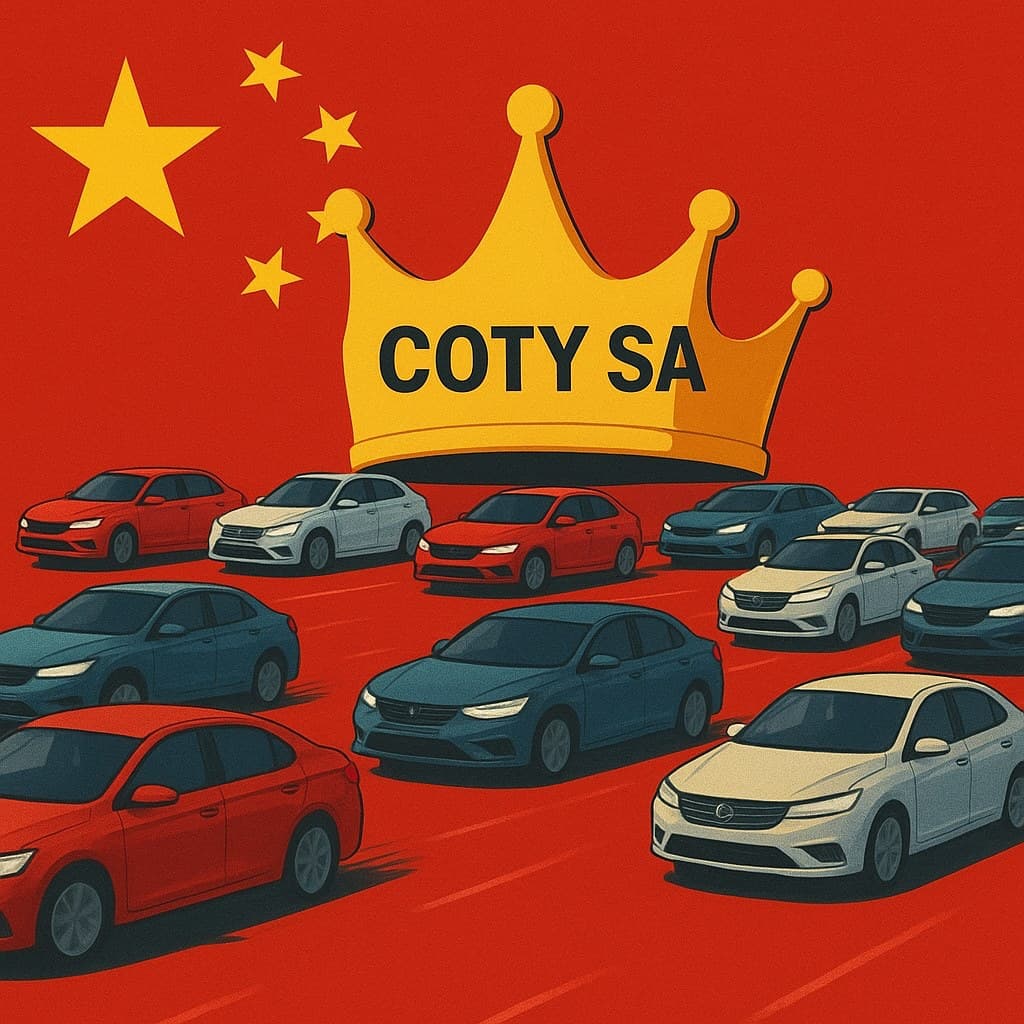
Chinese car manufacturers appear set for their most influential participation yet in the South African Guild of Mobility Journalists’ Car of the Year competition as their expanding footprint in the local market begins to translate into a stronger presence in this prestigious event. With sales rising and brand recognition increasing, their representation on the list of eligible vehicles has reached a new high.
The Car of the Year competition is currently in its voting phase, during which members of the Guild each have 25 votes to assign to vehicles from a pool of 40 new models launched in South Africa during the year. The process does not guarantee that 25 finalists will emerge, as the final list is shaped by the percentage spread between all entries. The shortlisted finalists will later be evaluated by an elected jury that will ultimately select the overall winner. The reigning titleholder is the locally manufactured BMW X3.
This year, 27 of the 40 eligible models come from Chinese manufacturers, making it the largest representation these brands have ever achieved in the competition’s initial round. The scale of their involvement prompts speculation on whether they will convert this strong showing into finalist positions and possibly challenge for the overall crown.
The Chinese models eligible for the title include the BAIC B30, a broad selection from BYD’s Sealion range, the BYD Dolphin Surf, several offerings from Changan including the Alsvin, CS75 Pro, Deepal S07 and Hunter, and models from Chery such as the Tiggo 7 PHEV and Tiggo 9. Geely features with two E5 variants, while GWM is represented by the Haval H7. Additional brands on the list include Jaecoo, Jetour, LDV Auto, Leapmotor’s C10 REEV and MG with the Cyberster, HS, MG3, ZS and ZS Pro, along with Omoda’s C7.
Recent sales figures show that around 15 per cent of new passenger vehicles sold in November were Chinese. Strong performers included the Chery Tiggo 4, the Haval Jolion, the Omoda C5, the Jetour T2 and the Chery Tiggo 7, with many models achieving sales in the hundreds. Their rise in the competition is also evident, with four Chinese finalists in the previous round compared with two the year before.
Finalists for the 2025 to 2026 competition will be announced early next year. Chinese brands are also gaining recognition elsewhere, competing in Nigeria’s Car of the Year awards where the Changan CS55 seeks to repeat its remarkable 2024 victory.
Image: AI generated
Staff Writer
Reporting from the front lines of the collision repair industry, delivering expert analysis and the technical updates that drive the African automotive sector forward.
More From News

Must Read: Competition Case in Botswana Could Reshape the Regional Repair Market
A Botswana competition case could influence insurer-repairer relationships and reshape vehicle repair markets across Southern Africa.
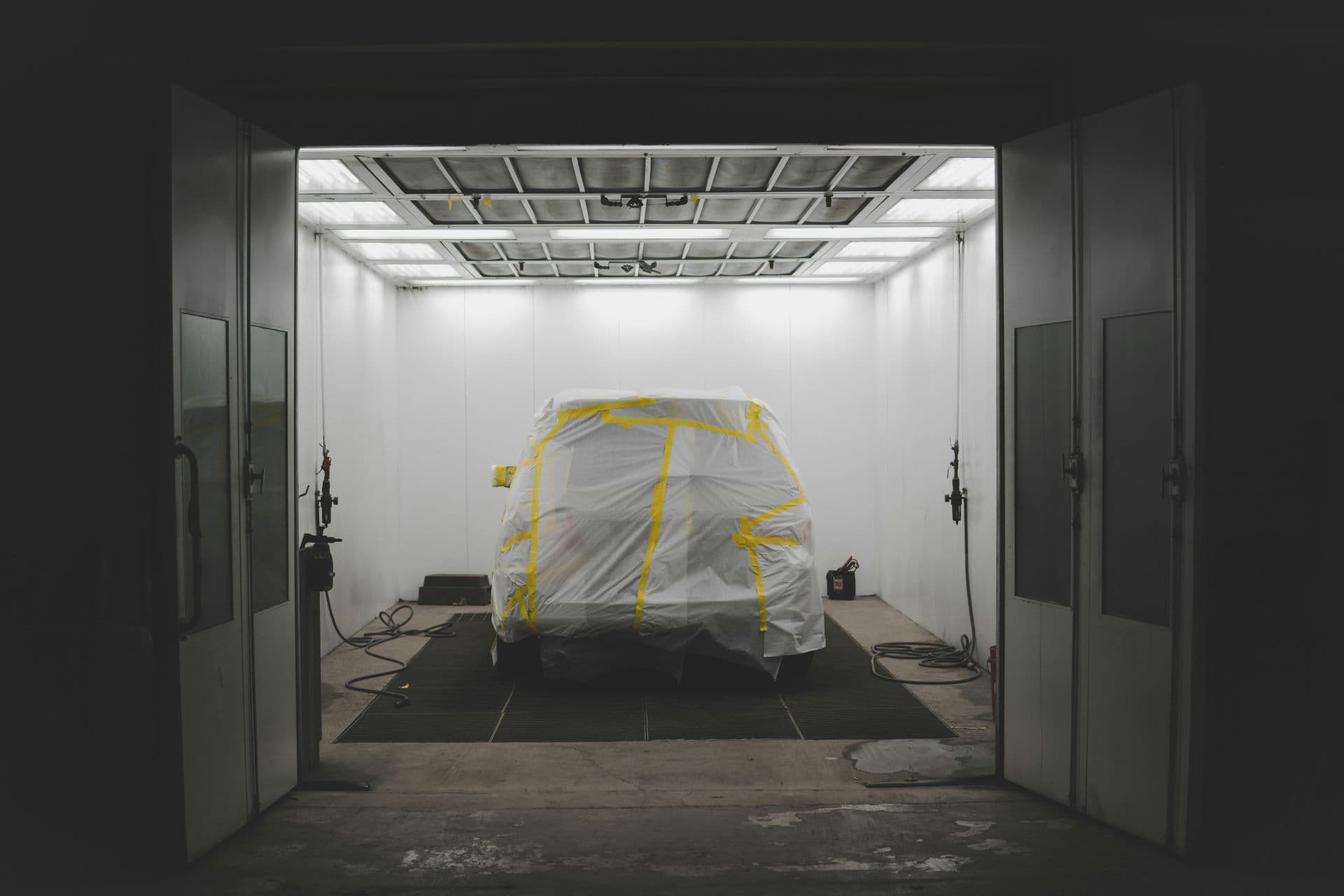
What drivers should look for when collecting a vehicle after collision repairs
Experts from South African Motor Body Repairers' Association explain how motorists can inspect their vehicle after collision repairs, covering panel gaps, paint finish and functionality checks.
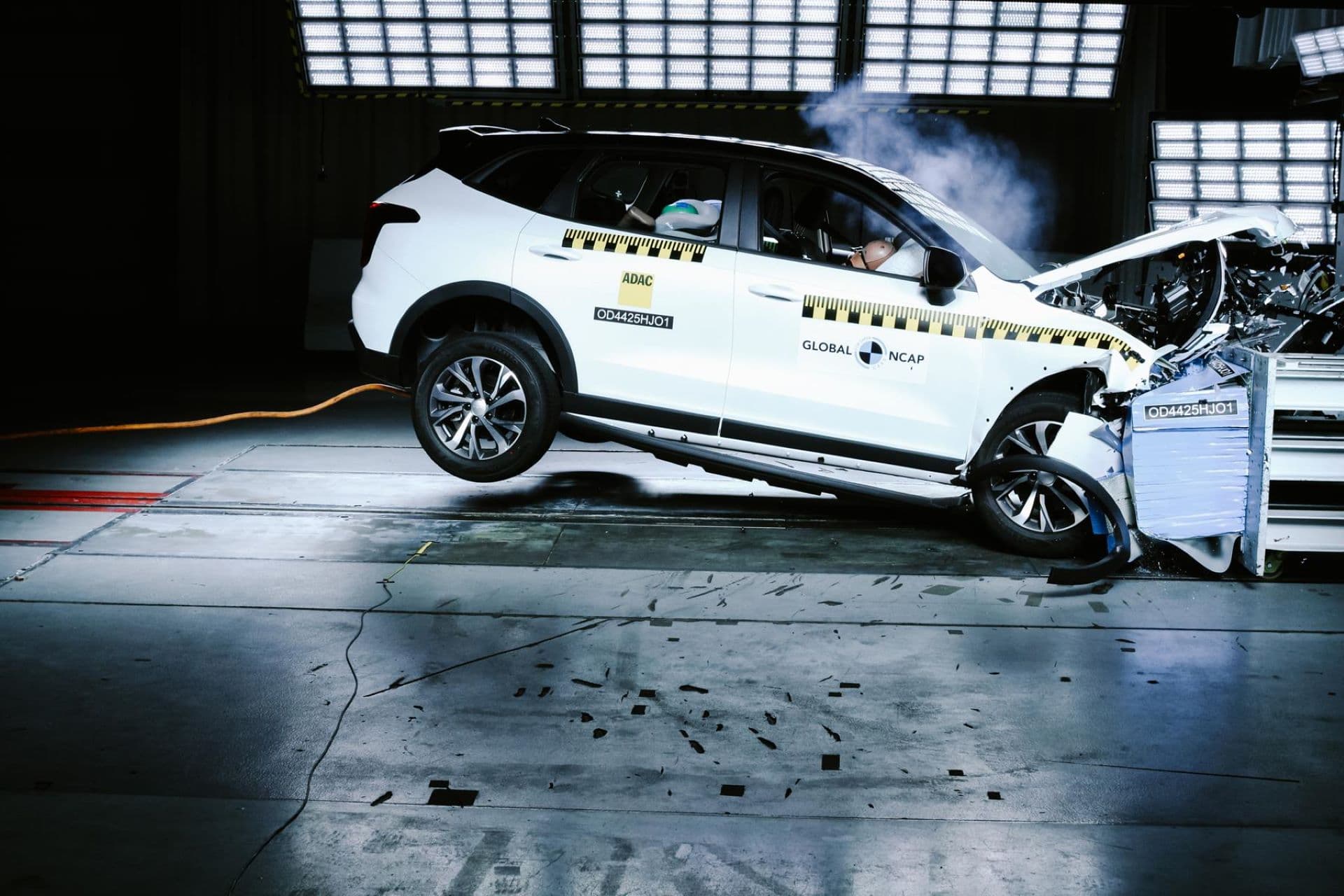
Entry-Level Cars Under Fire in Latest Crash Tests
South Africa’s entry-level cars face scrutiny after GNCAP crash tests reveal poor safety ratings for the Haval Jolion and Kia Sonet, prompting concern.
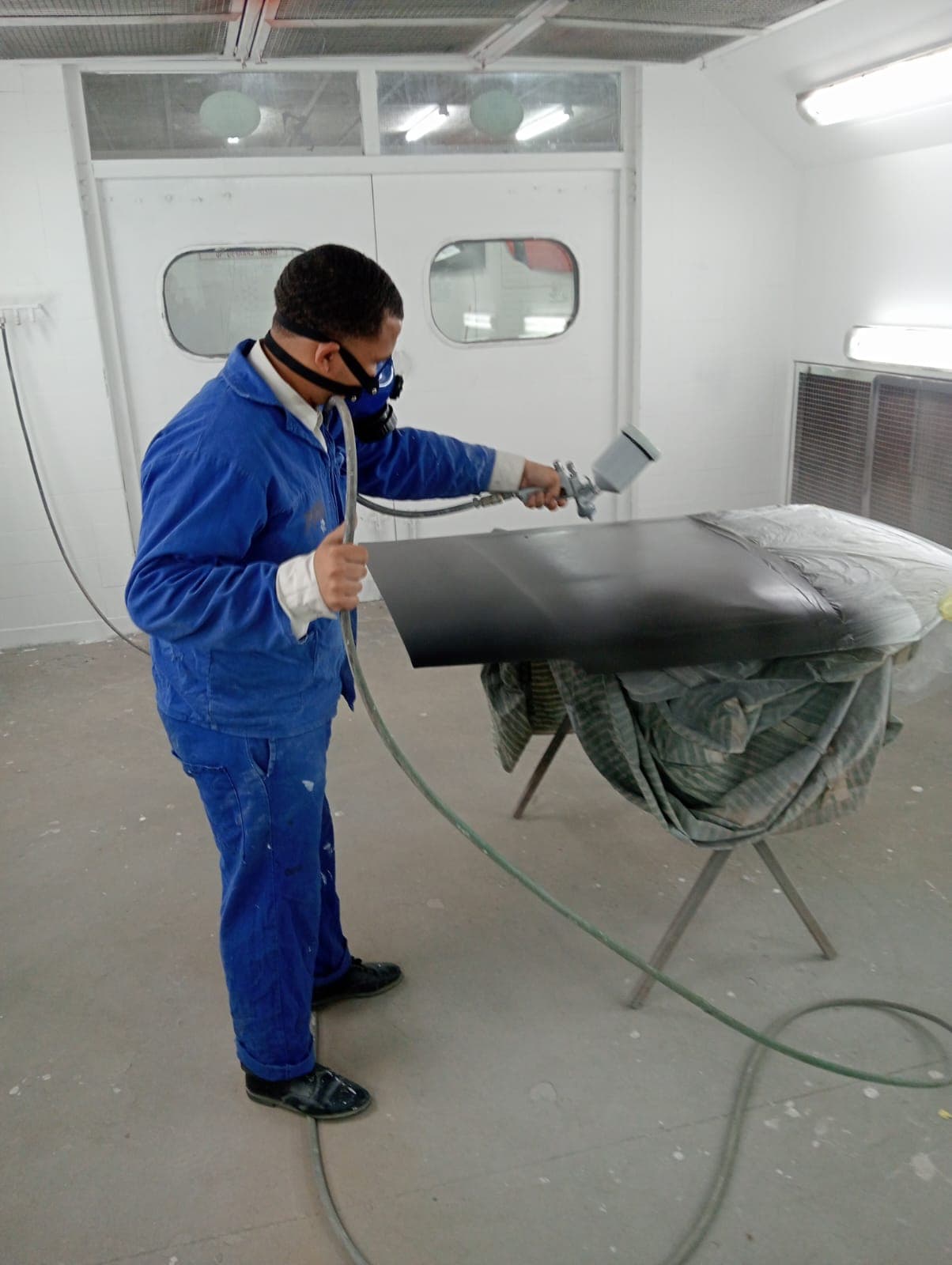
SAMBRA initiative puts young automotive talent in the spotlight
MIWA and SAMBRA host youth automotive competitions in Eastern Cape, offering training, hands-on experience and career pathways for young learners in 2026.
Hella returns to thermal management with long-term aftermarket push
Hella South Africa expands its thermal management range, targeting evolving vehicle technologies with 6,000+ SKUs planned by 2027.
Hino SA Honoured for Aftersales Excellence
Hino South Africa received two global awards for service and parts excellence, reinforcing its leadership in aftersales support.