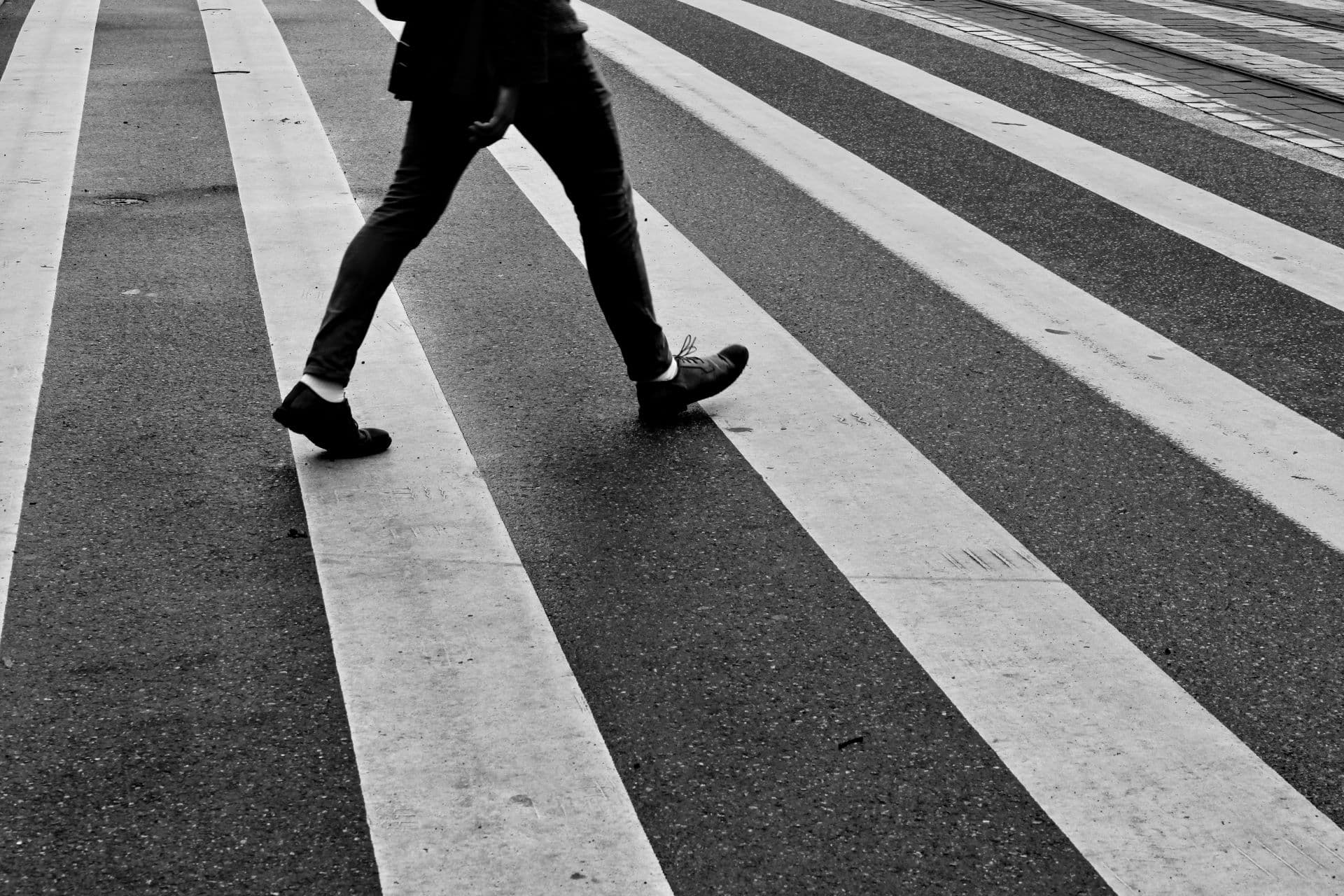
Vehicles with large driver-side blind zones are significantly more likely to hit pedestrians while turning left, according to a new study by the Insurance Institute for Highway Safety (IIHS). The research found that a large blind zone increases the risk of a left-turn pedestrian collision by 70% compared to a small blind zone.
Design features such as thick A-pillars, bulky mirrors, and long, high bonnets obstruct drivers’ views. The field of vision through the windscreen also plays a crucial role in determining blind zone size and visibility.
Pedestrian fatalities have surged by 78% since 2009, now exceeding 7,300 deaths annually. Contributing factors include higher vehicle speeds, infrastructure prioritising cars, and the growing popularity of SUVs and pickups with taller, blunter fronts. These vehicles not only cause more severe injuries in crashes but are also more likely to strike pedestrians while turning.
IIHS researchers measured blind zones in 168 vehicles using a camera-based technique, considering two driver heights: 1.75 metres (average male) and 1.50 metres (small female). For the taller driver, cars had the largest blind zones, while pickups had the smallest. However, SUVs and pickups offered narrower fields of view and pushed the nearest visible point on the ground further away — 7.9 metres for the taller driver and 9.1 metres for the shorter one.
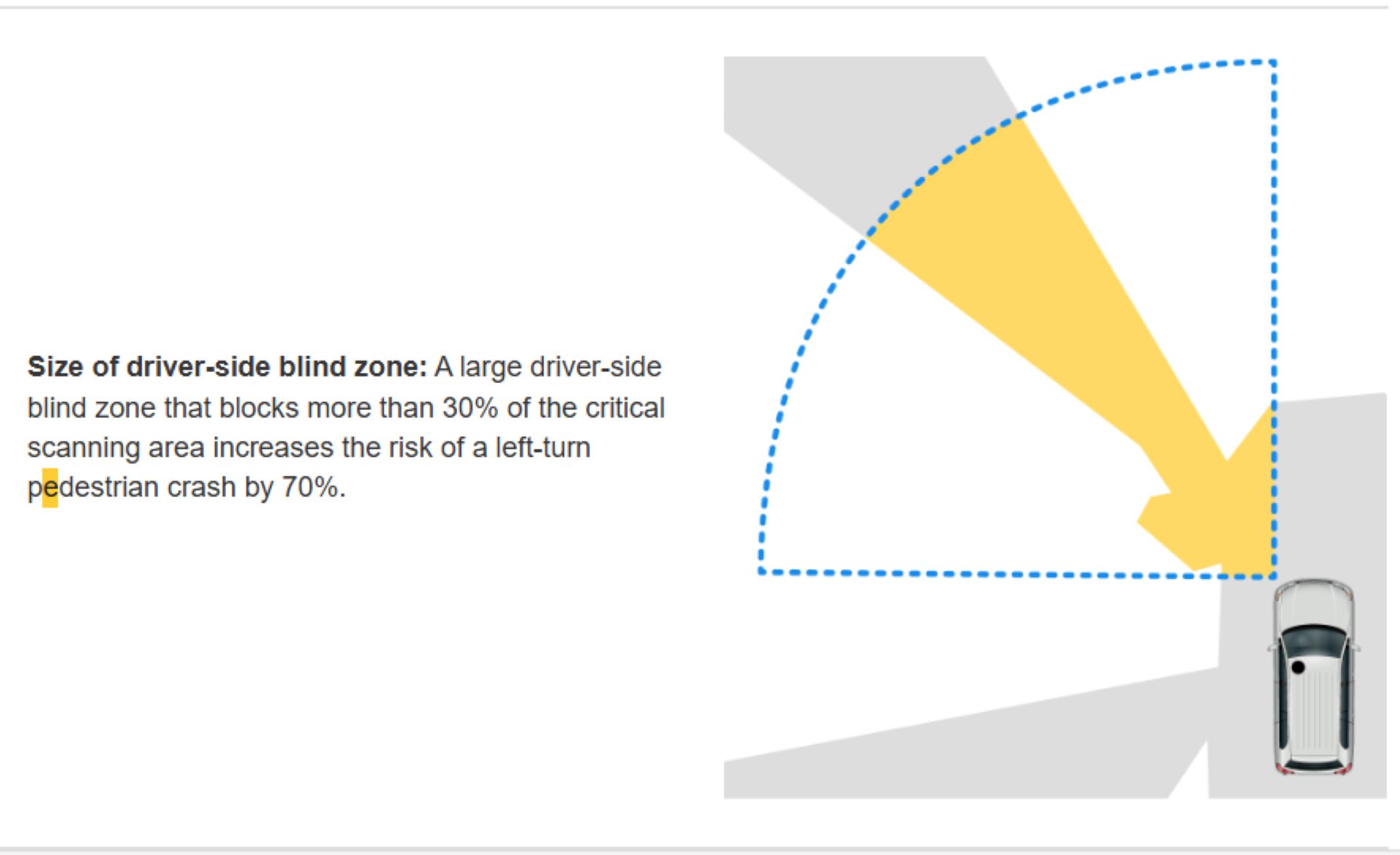
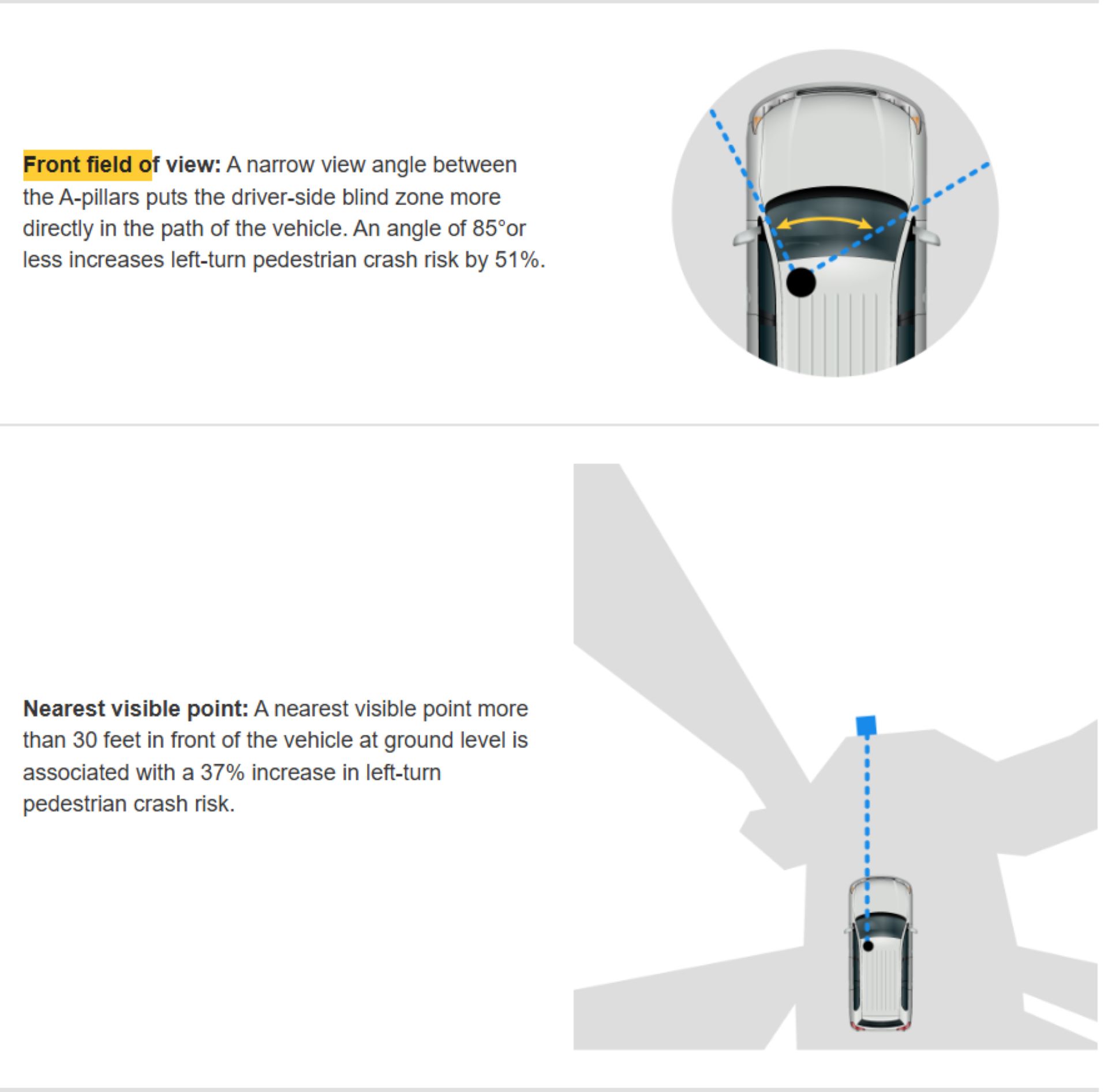
Across all vehicles, blind zones blocked 27% of the left-front area for the taller driver and 33% for the shorter one. Windscreens provided an average 88-degree field of view. Zones blocking more than 30% of the view were classed as large; 20–30% as medium; and under 20% as small.
Analysis of 4,500 pedestrian crashes revealed that large blind zones were linked to a 70% higher risk of left-turn collisions, while medium zones raised the risk by 59%. Passenger-side blind zones had no significant effect on right-turn crashes. A front field of view of 85 degrees or less increased left-turn crash risk by 51%, and a nearest visible point beyond 9 metres raised risk by 37%.
“Blocked views make it easy for pedestrians to vanish from sight,” said Wen Hu, IIHS senior research engineer. While features like thick A-pillars improve roof strength and long bonnets enhance crash protection, they also enlarge blind zones. Solutions include side-view cameras, improved pedestrian emergency braking, and hood airbags. Infrastructure changes, such as giving pedestrians a head start at crossings and extending kerbs, could also help.
“The driver’s ability to see is a fundamental safety element that needs more attention,” said IIHS President David Harkey.
Staff Writer
Reporting from the front lines of the collision repair industry, delivering expert analysis and the technical updates that drive the African automotive sector forward.
More From News
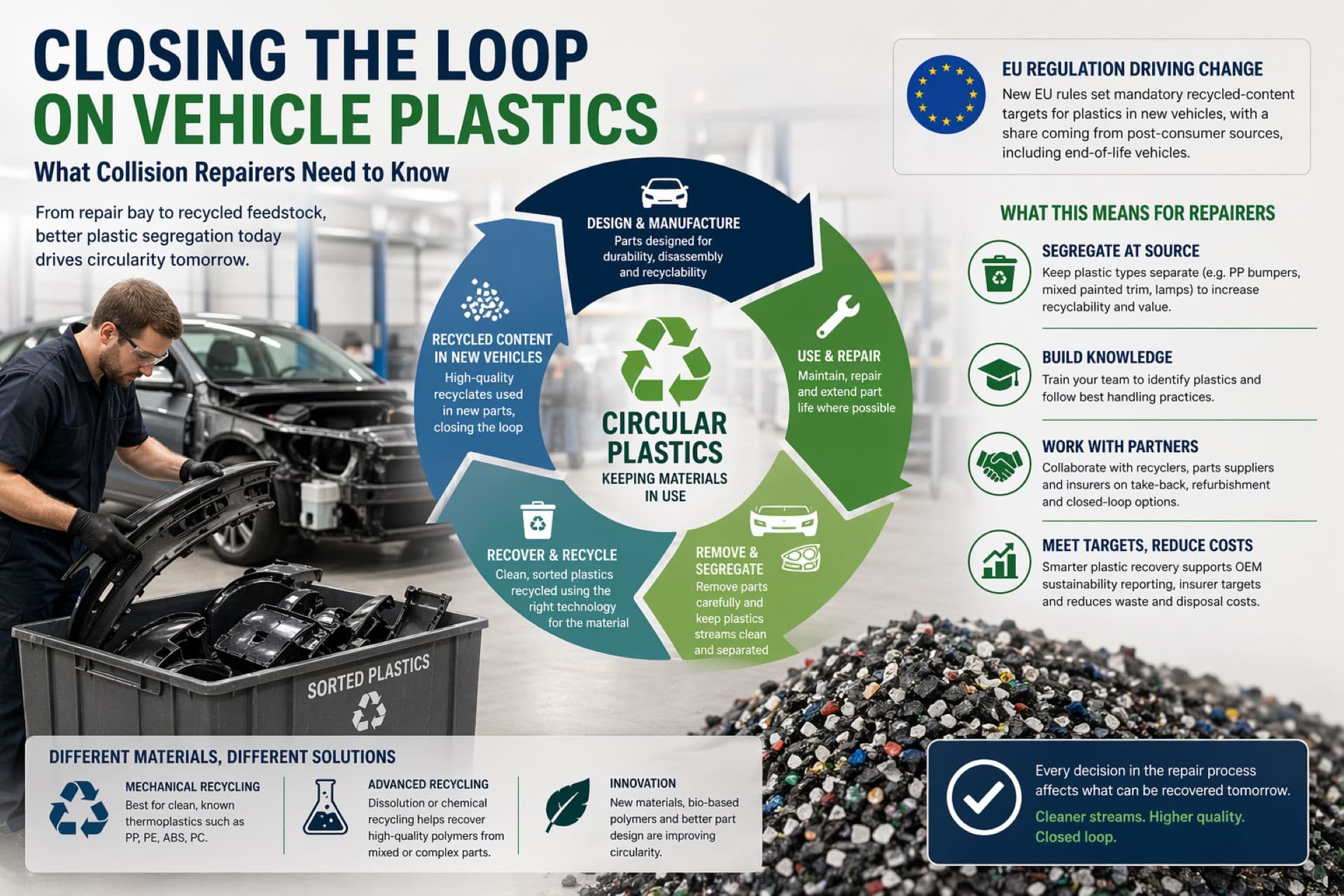
Closing the Loop on Vehicle Plastics: What Collision Repairers Need to Know
New EU rules are pushing vehicle makers and repairers toward plastics circularity, with rising recycled content targets and better end-of-life recovery

Zimbabwe Delegation Explores BAIC’s Role in Regional Automotive Growth
Zimbabwe’s automotive leaders visit BAIC South Africa to explore manufacturing, skills development, and regional industry collaboration.
What are SDVs and what do they mean for collision repair?
Software defined vehicles, or SDVs, are vehicles in which software rather than fixed hardware determines how most systems operate. Functions such...
Fuel price shock prompts insurer action to support South Africa’s repairers
South Africa’s motor body repair sector is under growing strain as sharp fuel price increases push operating costs higher, prompting some insurers...
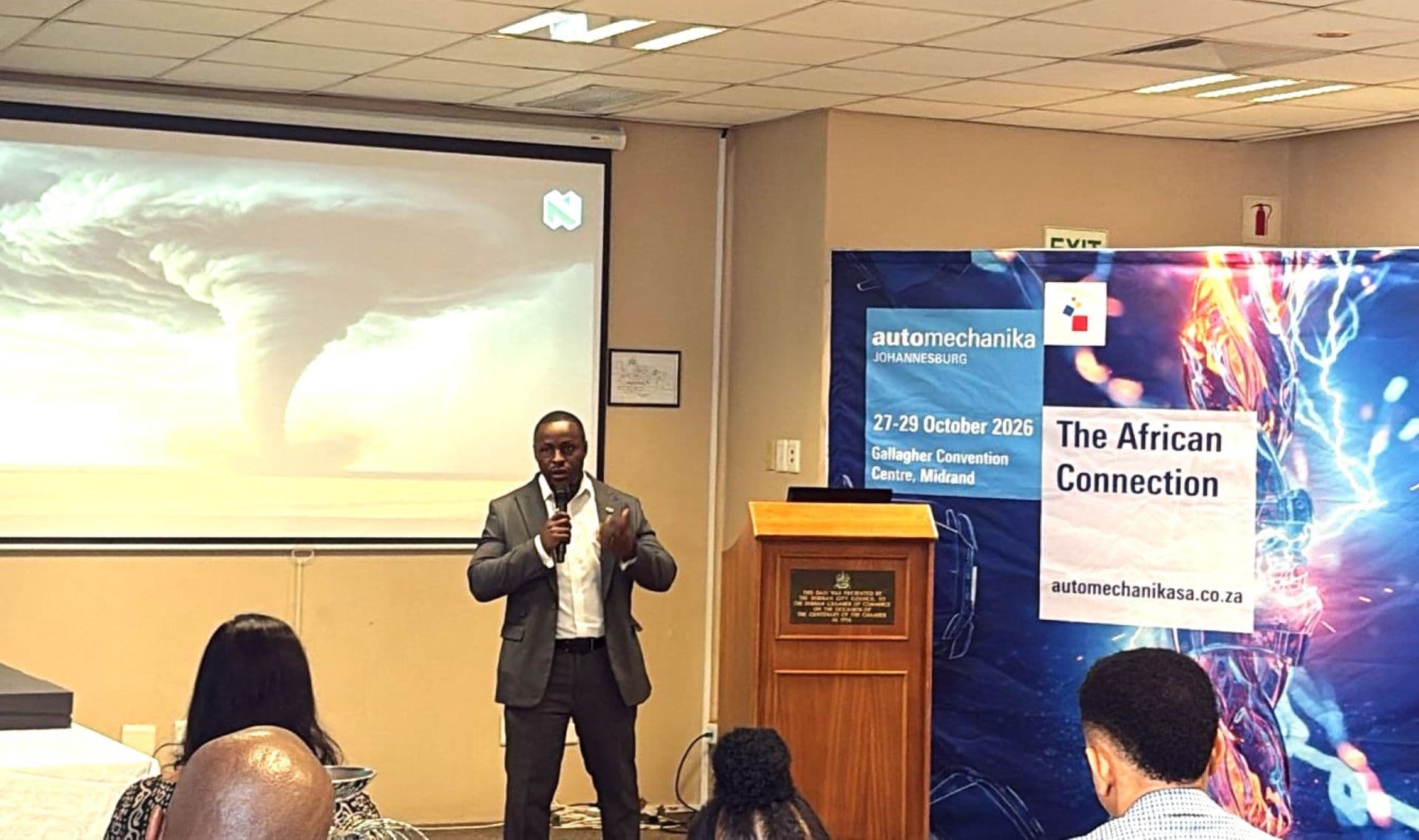
KwaZulu-Natal’s Automotive Momentum looked at
Durban’s Automechanika CEO Breakfast highlighted KZN’s rising automotive role, export growth and EV investment, plus aftermarket development.

We Buy Cars Drives Youth Employment
South Africa’s challenge of youth unemployment remains pressing, but targeted initiatives are beginning to show tangible results. We Buy Cars, in...