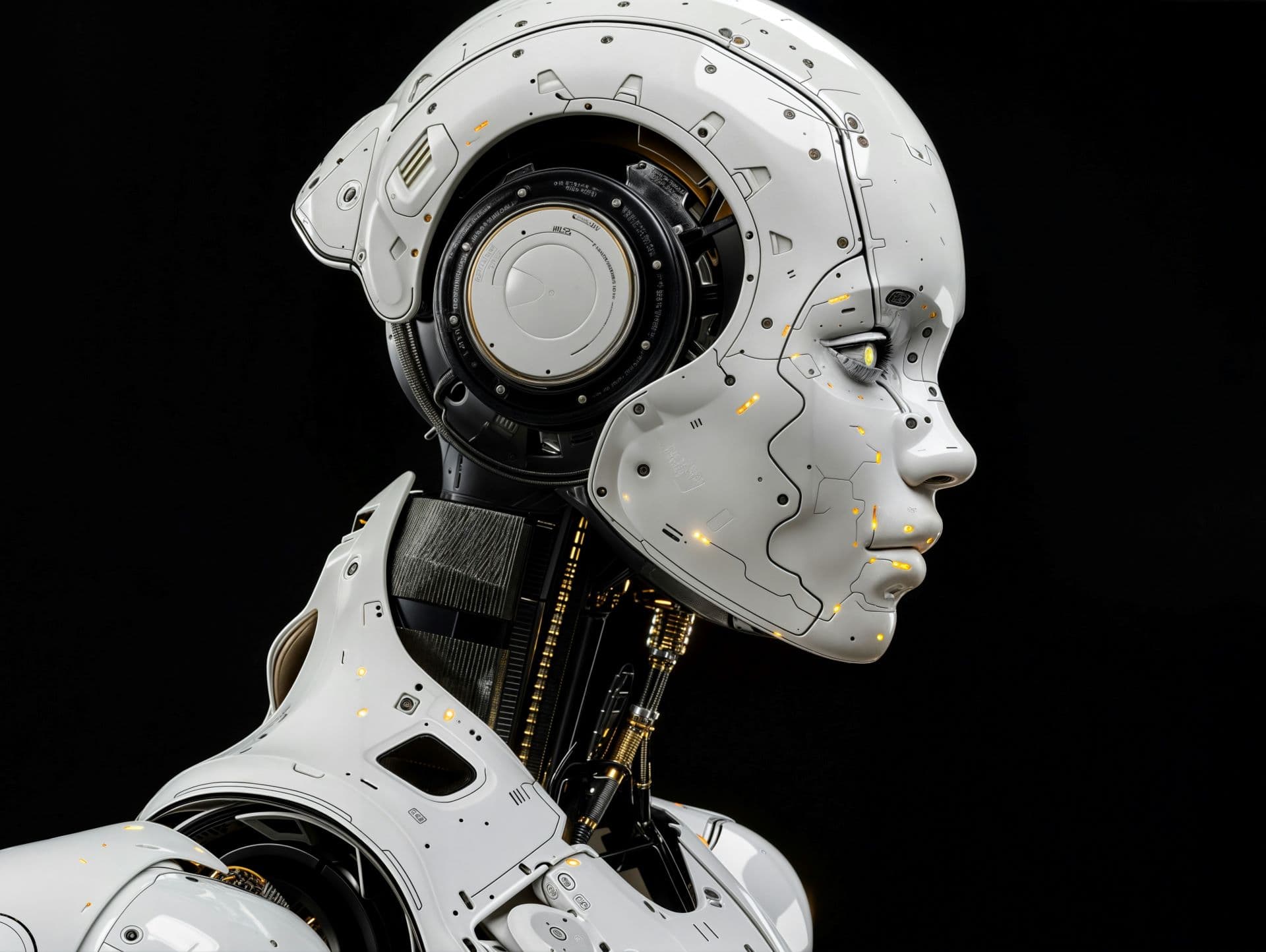
The automotive industry is moving steadily towards a future in which vehicles may be assembled without direct human involvement. As technological capabilities expand, the notion of a fully automated production line is shifting from ambitious speculation to an emerging industrial reality.
The rapid alignment of generative artificial intelligence (AI), autonomous digital agents, advanced robotics, and virtual plant simulations has propelled automation to the forefront of manufacturing strategy. Experts now anticipate that at least one major carmaker will succeed in creating a completely automated assembly process before the end of the 2020s.
Market analysts suggest that manufacturers in the United States (US) or China are best positioned to reach this landmark first, largely due to their substantial investment in humanoid robotics and highly flexible production models. Some foresee China pioneering the world’s first true “dark factory” by 2030 – an automotive plant capable of continuous operation with no human workers on the assembly line.
The benefits are hard to overlook. AI-powered manufacturing promises a sweeping reduction in costs and dramatically accelerated production cycles, with certain reports pointing to efficiency improvements of up to 50 per cent. Digital twins make it possible to virtually test, refine, and re-engineer entire facilities before physical adjustments are made, while intelligent robotic systems deliver accuracy, speed, and uniformity across even the most intricate tasks.
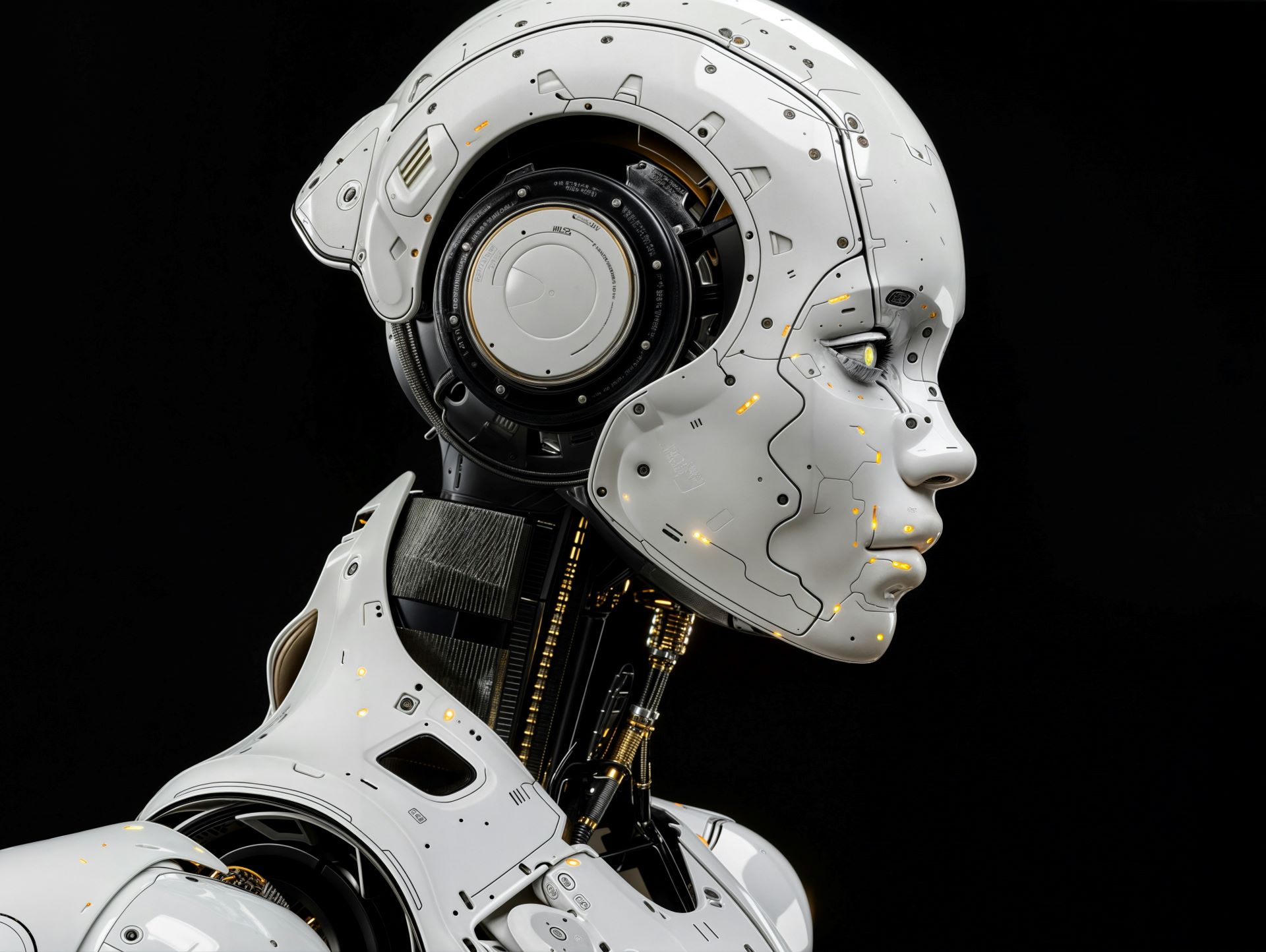
Historically, some phases of vehicle assembly – notably wiring installations and interior component fitting – resisted full automation due to their complexity. Carmakers have begun to break through these limitations by redesigning vehicles from the outset with robotic assembly in mind. This includes the use of modular wiring layouts, embedding electrical systems into body panels, and reordering assembly stages to give robotic arms improved reach and manoeuvrability.
Humanoid robots are also gaining traction as part of this transition. Although their current impact is modest, leaps in robotic skill, perception, and autonomous learning are driving interest. Hyundai Motor Group plans to introduce Boston Dynamics humanoids at its Georgia plant in the US from 2028, with long-term ambitions to produce these machines at large scale. Mercedes-Benz is similarly trialling humanoids to work alongside human staff, with broader integration expected before 2030.
Yet, even as automation intensifies, factory workers will not be rendered obsolete. Instead, the nature of automotive labour is shifting towards areas such as robot servicing, AI monitoring, software engineering, logistics coordination and quality validation. Labour groups and global industry bodies stress the urgency of upskilling and retraining, with upcoming generations of workers expected to be digitally fluent and capable of collaborating effectively with intelligent machines.
The revolution underway is less a matter of eliminating human workers and more about reconfiguring the workforce to complement advanced technologies. As automation reshapes the production floor, the industry’s long-term success will rest on striking a responsible balance between machine capability and human expertise.
Staff Writer
Reporting from the front lines of the collision repair industry, delivering expert analysis and the technical updates that drive the African automotive sector forward.
More From News
Closing the Loop on Vehicle Plastics: What Collision Repairers Need to Know
New EU rules are pushing vehicle makers and repairers toward plastics circularity, with rising recycled content targets and better end-of-life recovery

Zimbabwe Delegation Explores BAIC’s Role in Regional Automotive Growth
Zimbabwe’s automotive leaders visit BAIC South Africa to explore manufacturing, skills development, and regional industry collaboration.

What are SDVs and what do they mean for collision repair?
Software defined vehicles, or SDVs, are vehicles in which software rather than fixed hardware determines how most systems operate. Functions such...
Fuel price shock prompts insurer action to support South Africa’s repairers
South Africa’s motor body repair sector is under growing strain as sharp fuel price increases push operating costs higher, prompting some insurers...

KwaZulu-Natal’s Automotive Momentum looked at
Durban’s Automechanika CEO Breakfast highlighted KZN’s rising automotive role, export growth and EV investment, plus aftermarket development.
We Buy Cars Drives Youth Employment
South Africa’s challenge of youth unemployment remains pressing, but targeted initiatives are beginning to show tangible results. We Buy Cars, in...