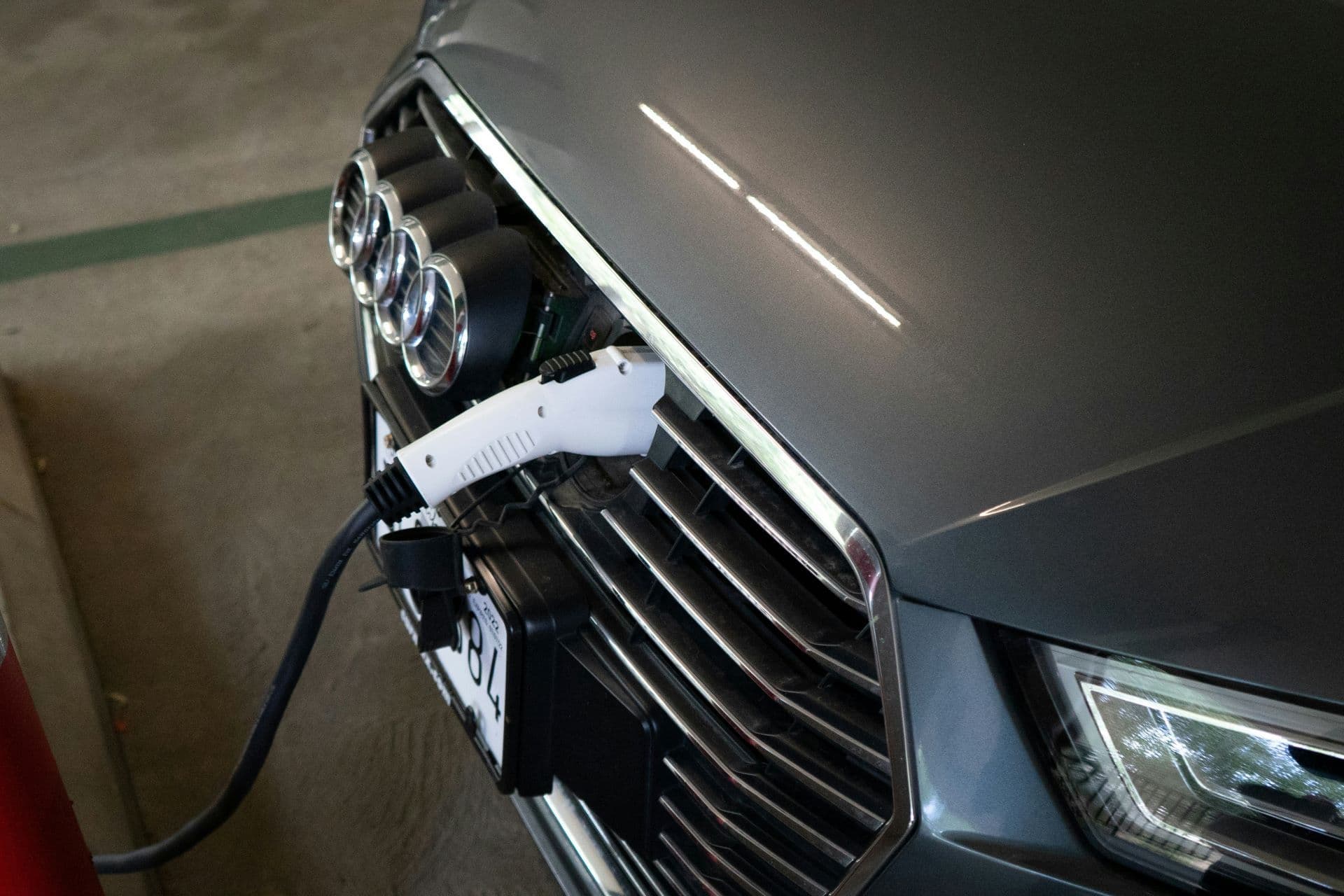
South Africa's automotive repair sector faces a significant transformation as new energy vehicle (NEV) sales doubled in 2024, with first-quarter 2025 showing continued 14% growth. This surge in hybrids, plug-in hybrids, and electric vehicles presents both challenges and opportunities for the repair industry.
The dominance of Toyota's Corolla Cross Hybrid in monthly sales signals that workshops must rapidly adapt to hybrid technology servicing. With BMW leading plug-in hybrids and intense competition between Volvo, BMW, and BYD in the EV segment, repair facilities need diverse technical expertise across multiple NEV platforms.
Traditional workshops face a steep learning curve as NEV technology differs fundamentally from conventional vehicles. High-voltage systems, battery management, regenerative braking, and complex electronic components require specialized training and equipment. The upcoming BYD Atto1, priced between R300 000 to R400 000, will likely increase EV volumes, demanding more technicians skilled in electric vehicle diagnostics and repair.
The industry must invest in new diagnostic tools, safety equipment for high-voltage work, and technician certification programs. Battery technology, particularly BYD's new Blade Battery with lithium iron phosphate chemistry, requires understanding of thermal management systems and specialized handling procedures.
However, opportunities abound. NEV maintenance often involves software updates, battery conditioning, and electrical system diagnostics – services that command premium pricing. The growing charging infrastructure (currently 350-400 stations) creates installation and maintenance opportunities for forward-thinking repair businesses.
Chinese manufacturers entering the market mean workshops must source parts and establish relationships with new suppliers. The shift from mechanical to electronic diagnostics favours technologically advanced repair facilities over traditional garages.
As South Africans gradually overcome affordability and infrastructure concerns, the repair industry must position itself for the inevitable NEV transition. Early adopters investing in NEV capabilities today will capture tomorrow's service market, while those delaying risk obsolescence in an increasingly electrified automotive landscape.
Staff Writer
Reporting from the front lines of the collision repair industry, delivering expert analysis and the technical updates that drive the African automotive sector forward.
More From Motoring
Technology Bundles Deliver Major Safety Gains, New Analysis Shows
A growing body of evidence suggests that modern driver assistance technologies are significantly reducing road crashes, and new research into...
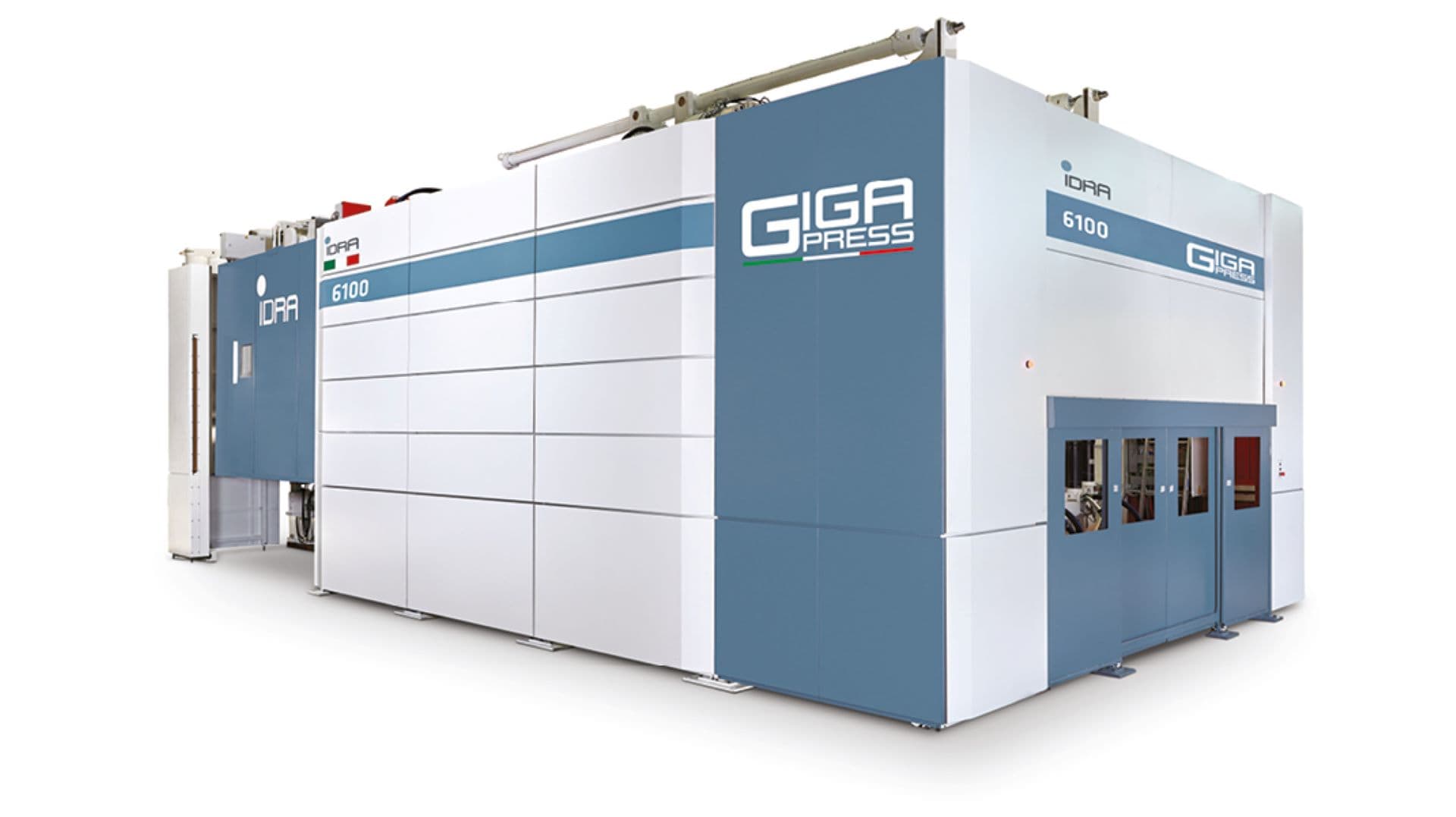
How Ford’s Shift to Megacasting Could Influence Vehicle Repair Costs
Ford Motor Company is planning to replace complex assemblies with giant, single-piece aluminium castings for its upcoming electric pickup. The...
The 9th Festival of Motoring is Here
The iconic Kyalami Grand Prix Circuit will once again come alive from 28–30 August 2026 as the Festival of Motoring (FoM), powered by WesBank...

Agibot Sets Its Sights on Europe as Humanoid Robot Competition Heats Up
Chinese robotics firm Agibot is accelerating its global expansion with a major push into Europe, partnering with automotive supplier Minth Group...
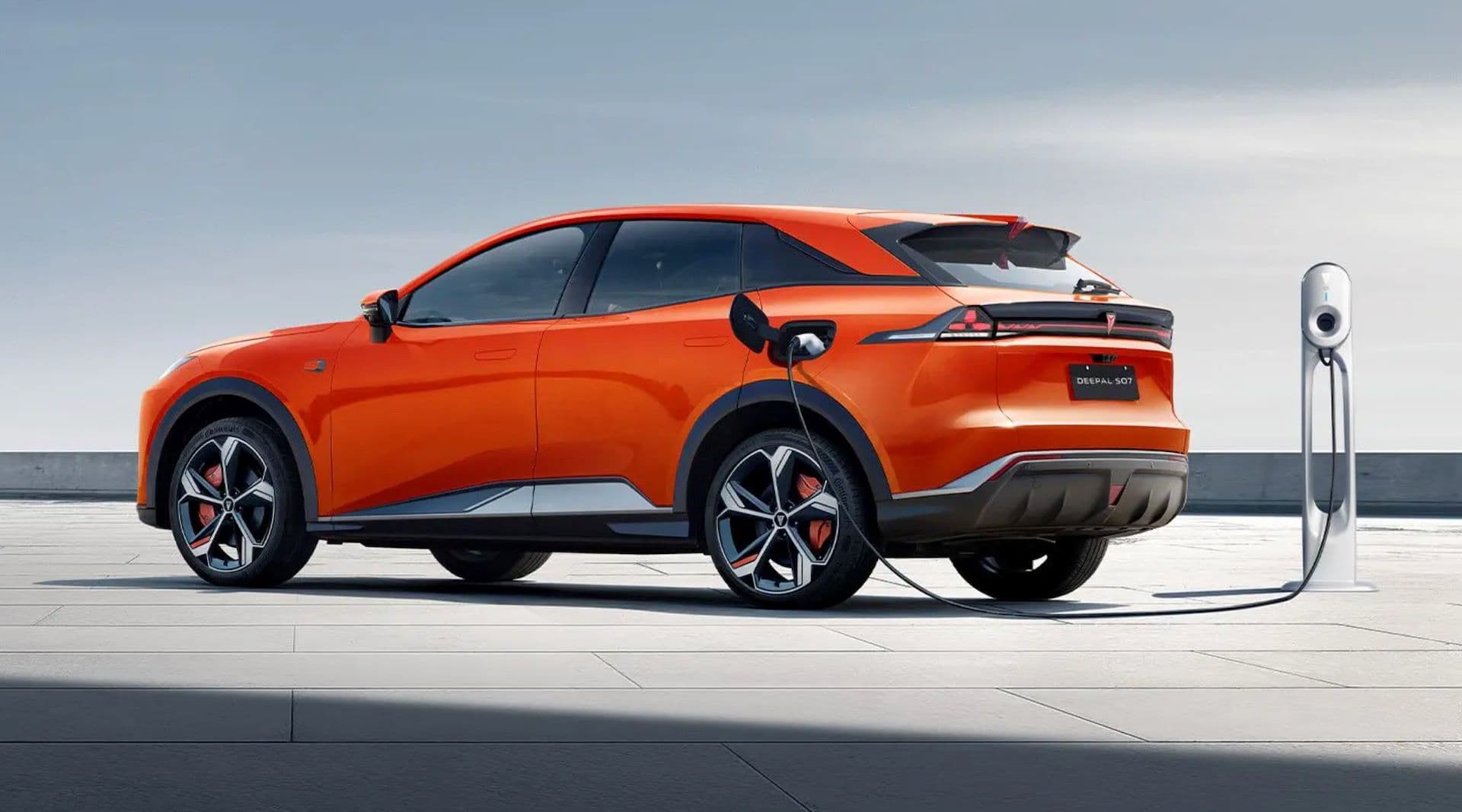
South Africa Embraces the New Era of Automotive Brands
South Africa’s automotive industry is undergoing a profound transformation. While traditional marques remain familiar and trusted, a growing...
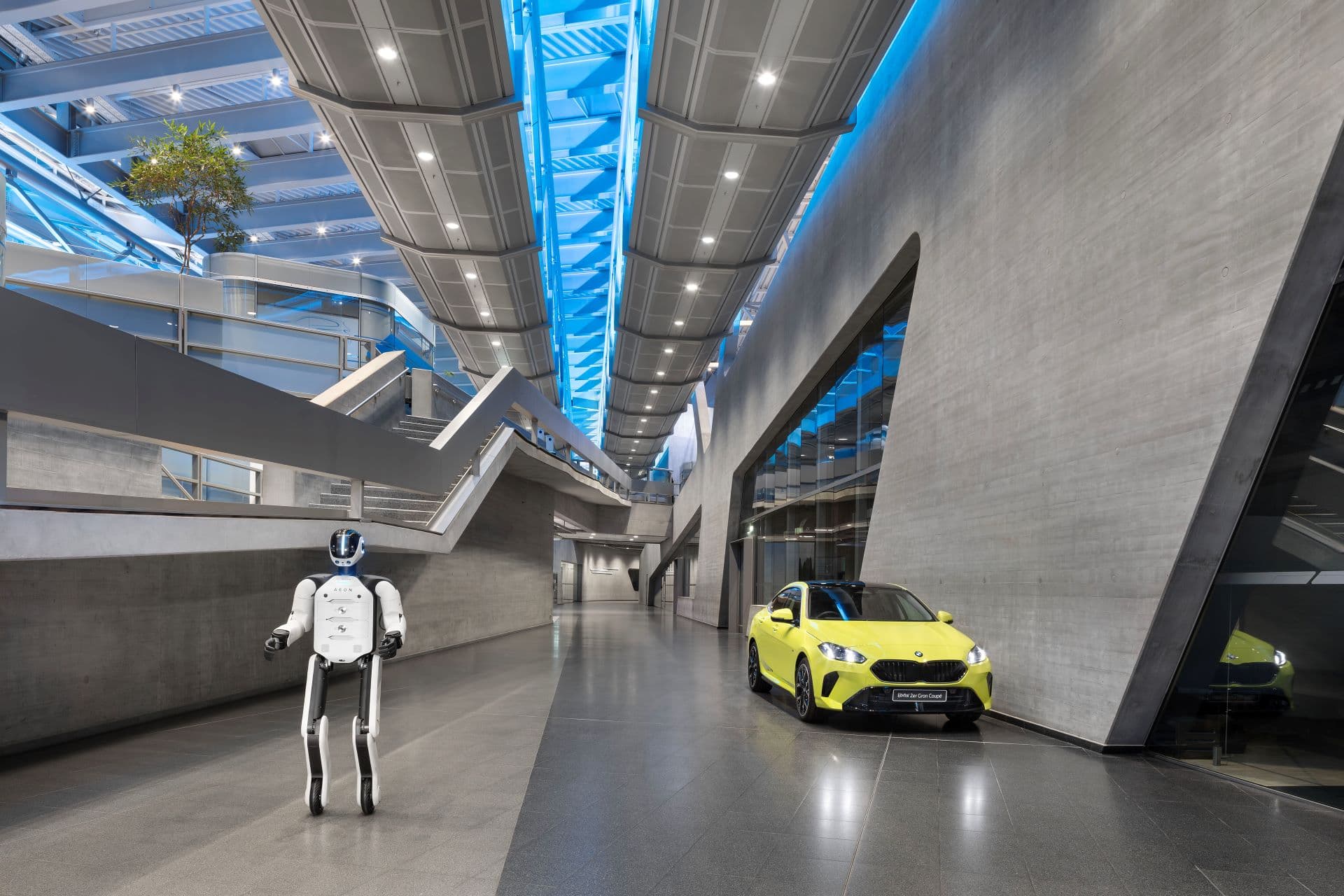
BMW Expands Physical AI Innovation with New Leipzig Robotics Pilot
The BMW Group is strengthening its position as a leader in intelligent manufacturing with the launch of a new pilot project using humanoid robots...