
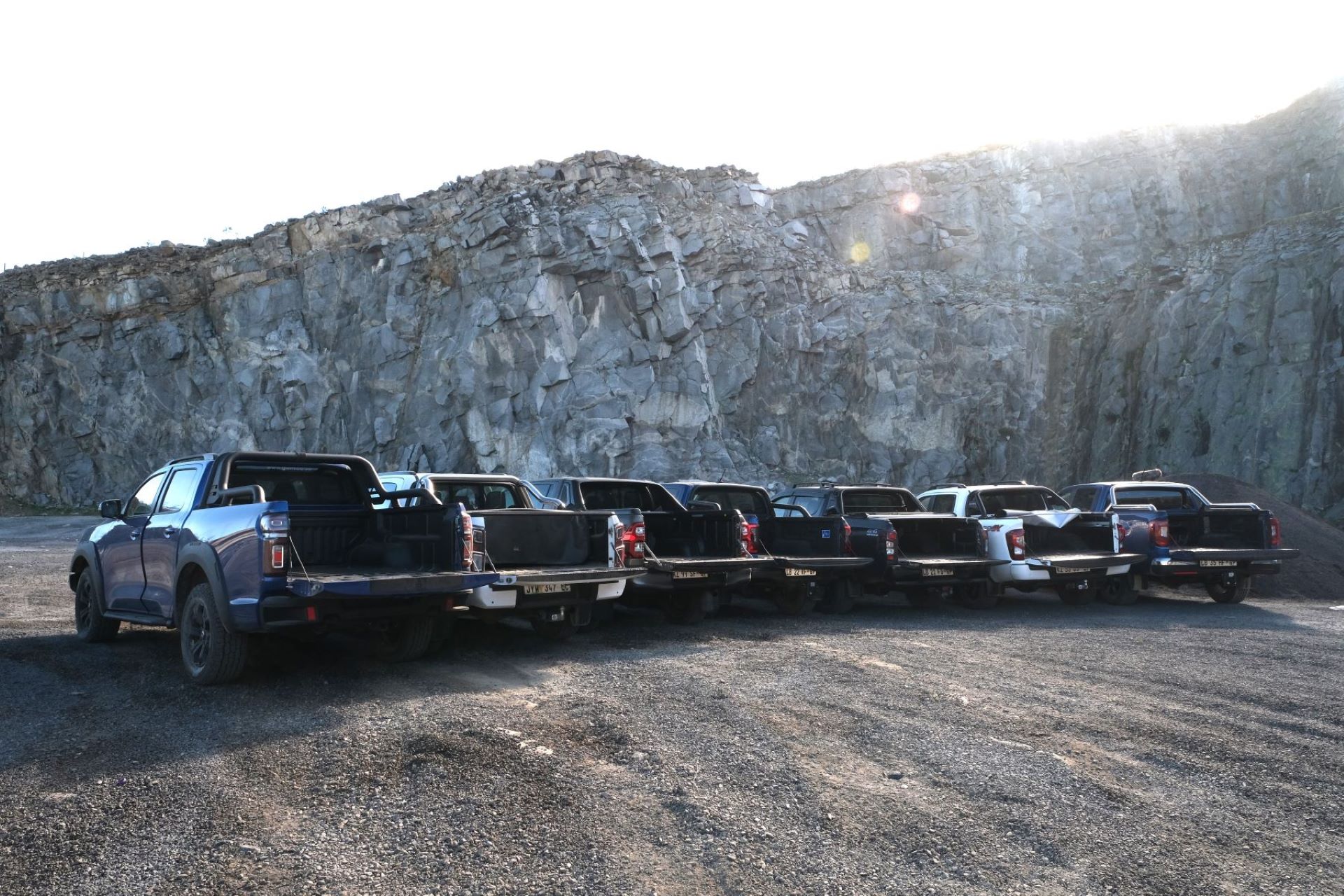
The South African auto repair industry is experiencing a major adjustment as consumer preferences shift away from German sedans and towards double-cab bakkies.
According to the Cars.co.za Industry Report 2025, the once-dominant luxury sedans such as the Audi A4, BMW 3 Series and Mercedes-Benz C-Class are rapidly losing ground to locally produced models like the Toyota Hilux, Ford Ranger and Isuzu D-Max.
“Our data shows a dramatic shift away from German sedans, such as the Audi A4, BMW 3 Series and Mercedes-Benz C-Class, which dominated the South African luxury vehicle market less than a decade ago, in favour of flagship bakkies,” says Alan Quinn, Executive: Product and Partnerships at Cars.co.za.
For workshops, this change means adapting their service offering. Repairs and maintenance for bakkies differ from those of luxury sedans. With demand for double cabs growing by more than 70% since 2015, repairers are dealing with higher volumes of diesel engines, larger components and more rugged suspension systems. Automatic transmissions are also increasingly common, with 70.91% of double-cab stock now automatic compared to just 25.03% a decade ago.
This trend could requires specialised diagnostic tools and technician training. Independent workshops are investing in equipment suited for these vehicles, as well as strengthening supply chains for parts unique to popular models. Bakkies are often used for both leisure and work, meaning owners demand durability as well as quick turnaround times on repairs.
While prestige sedans have become less viable due to high prices and reduced desirability, bakkies offer versatility and strong resale values. “Interestingly, the cross-consideration charts suggest BMW 3 Series owners or buyers prefer the Ford Ranger, while those considering a Mercedes-Benz C-Class are increasingly also considering a Toyota Hilux,” Quinn adds.
For the repair industry, this translates into a steady flow of work and long-term sustainability. Bakkies may have started as workhorses, but their rise to luxury status ensures they will remain central to the automotive aftersales landscape for years to come.
Staff Writer
Reporting from the front lines of the collision repair industry, delivering expert analysis and the technical updates that drive the African automotive sector forward.
More From Motoring
Technology Bundles Deliver Major Safety Gains, New Analysis Shows
A growing body of evidence suggests that modern driver assistance technologies are significantly reducing road crashes, and new research into...
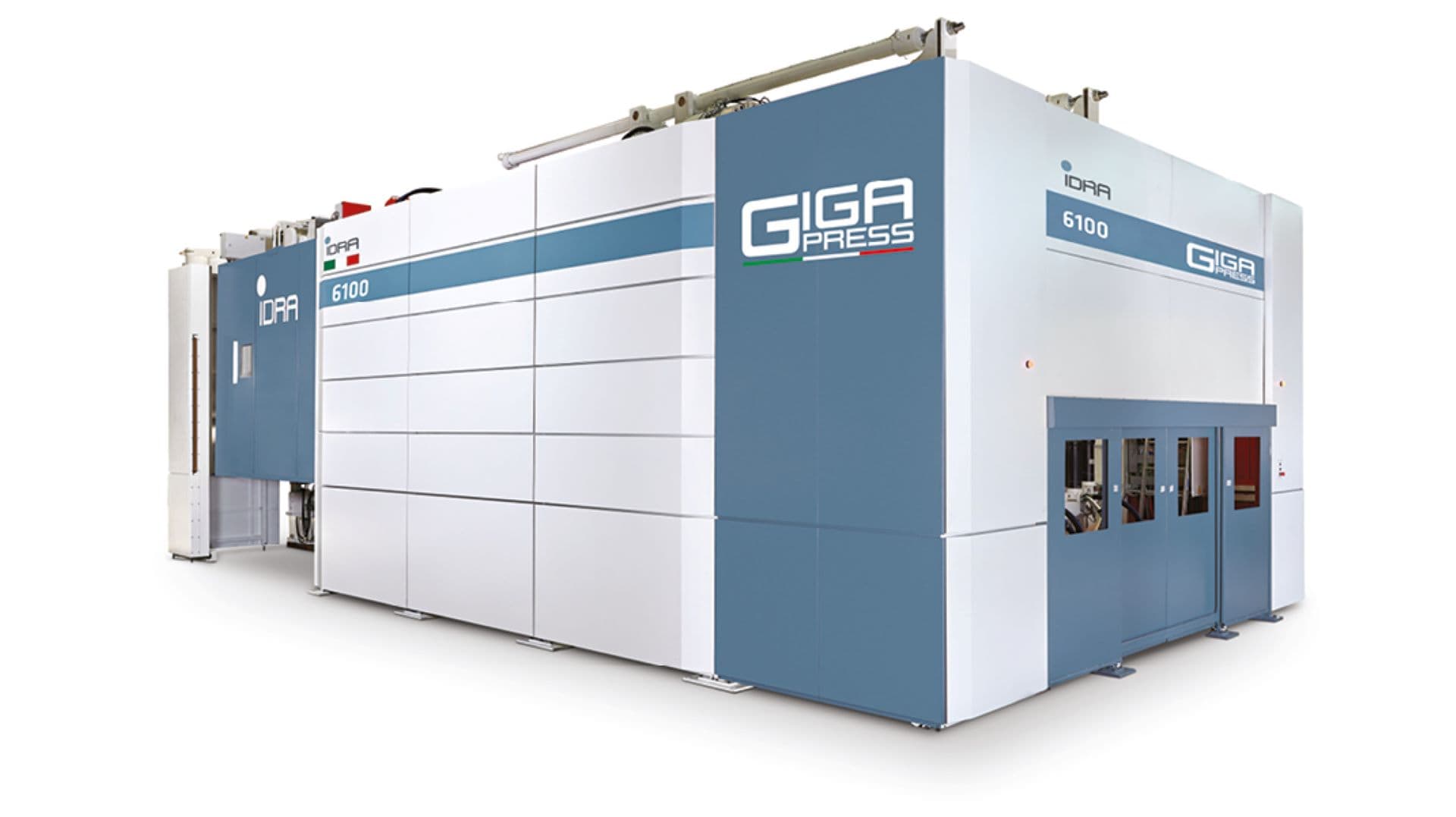
How Ford’s Shift to Megacasting Could Influence Vehicle Repair Costs
Ford Motor Company is planning to replace complex assemblies with giant, single-piece aluminium castings for its upcoming electric pickup. The...
The 9th Festival of Motoring is Here
The iconic Kyalami Grand Prix Circuit will once again come alive from 28–30 August 2026 as the Festival of Motoring (FoM), powered by WesBank...
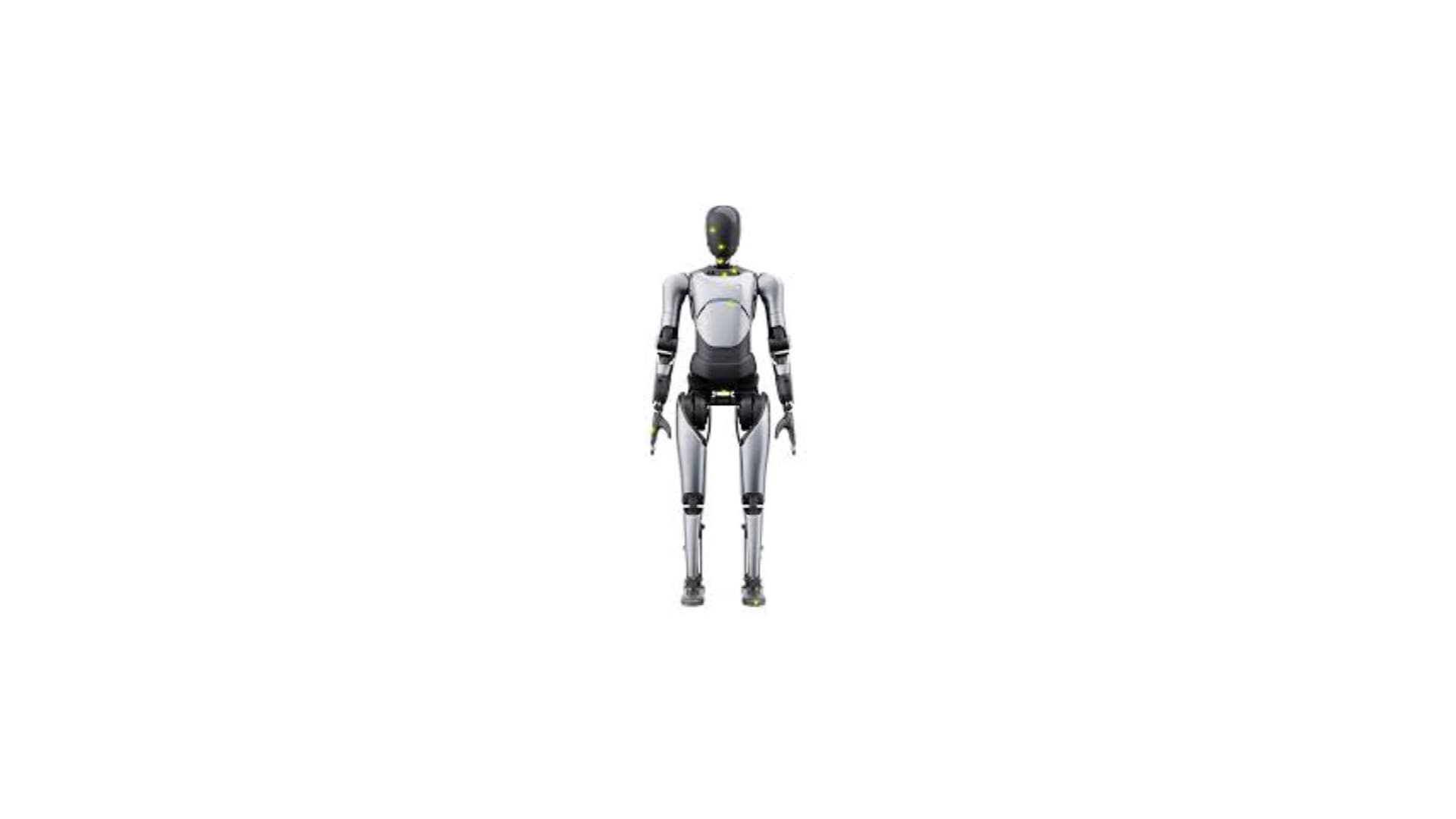
Agibot Sets Its Sights on Europe as Humanoid Robot Competition Heats Up
Chinese robotics firm Agibot is accelerating its global expansion with a major push into Europe, partnering with automotive supplier Minth Group...
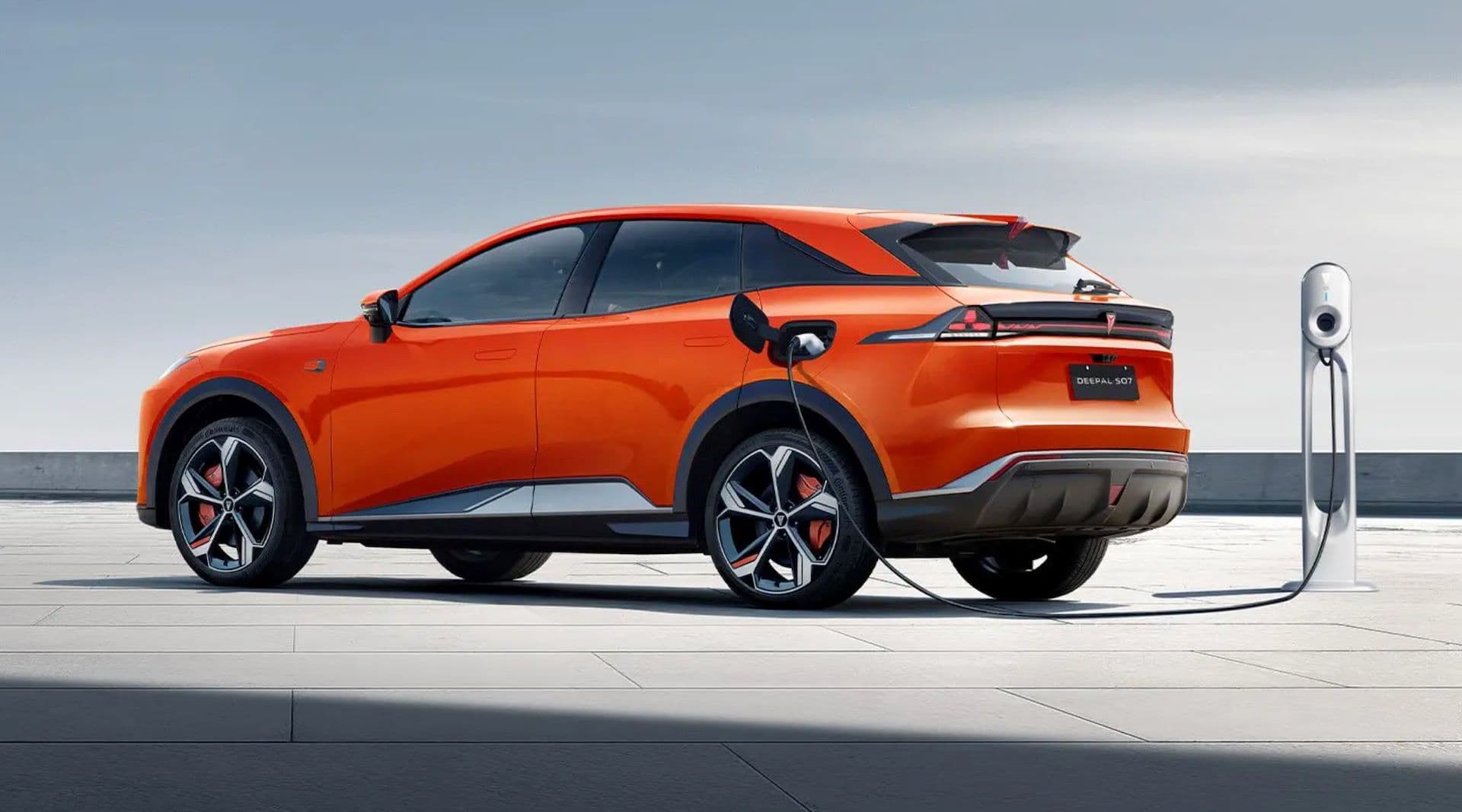
South Africa Embraces the New Era of Automotive Brands
South Africa’s automotive industry is undergoing a profound transformation. While traditional marques remain familiar and trusted, a growing...
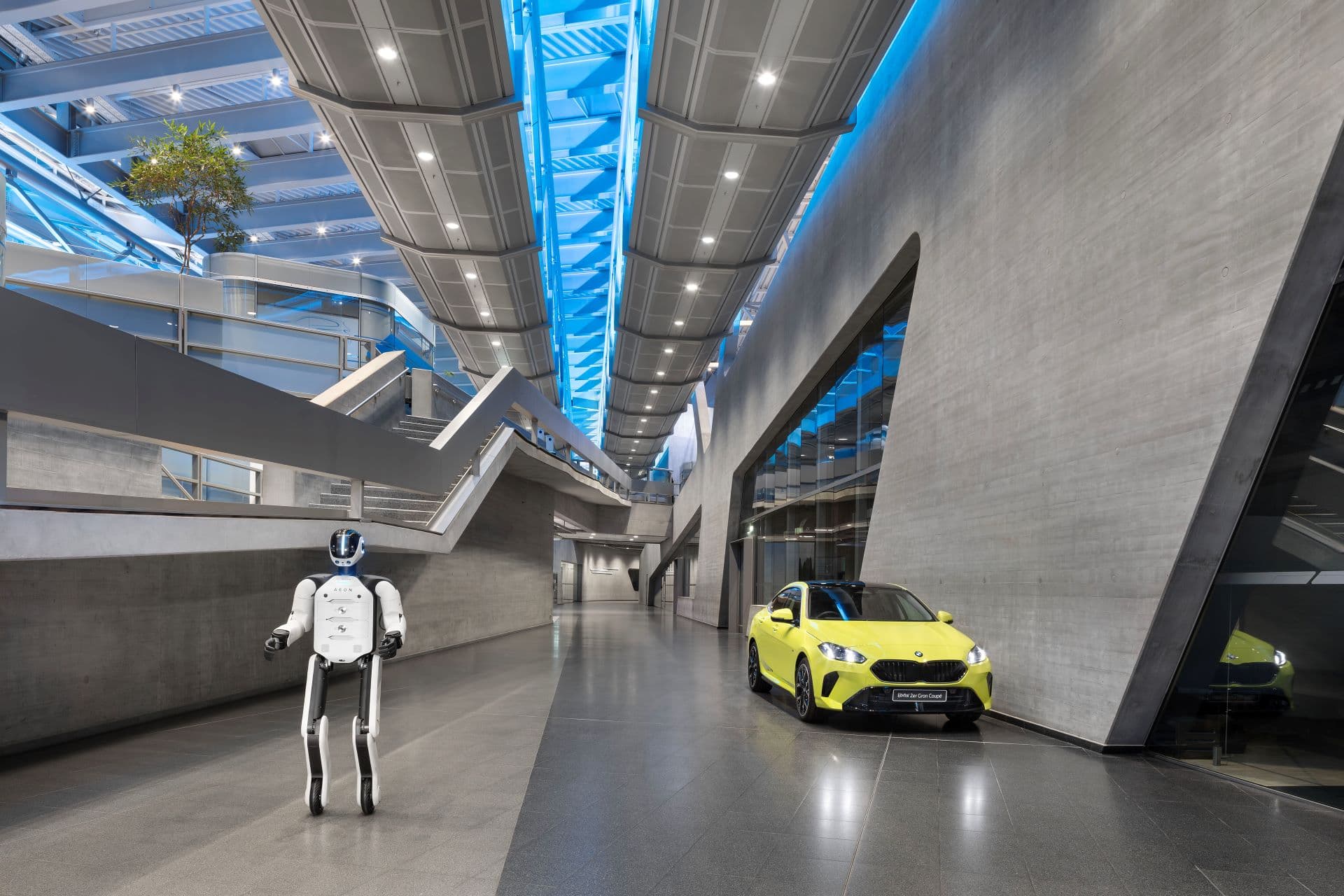
BMW Expands Physical AI Innovation with New Leipzig Robotics Pilot
The BMW Group is strengthening its position as a leader in intelligent manufacturing with the launch of a new pilot project using humanoid robots...