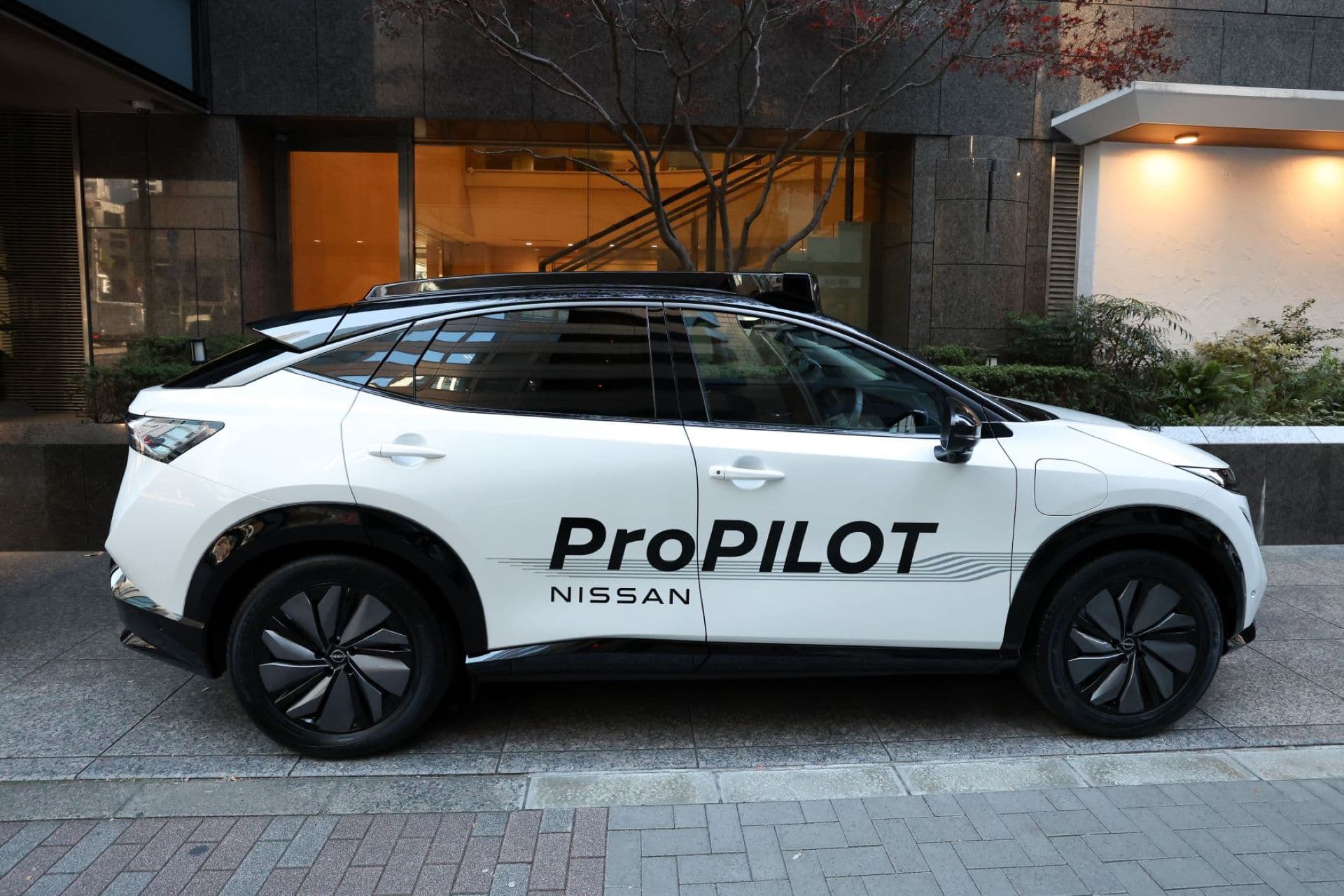
The automotive repair industry faces significant changes as Nissan becomes the first manufacturer to commit to mass-producing vehicles with advanced embodied AI driver assistance, following definitive agreements with British AI firm Wayve to deploy next-generation technology across its model range from 2027.
The integration of Wayve AI Driver with Nissan's ProPILOT systems introduces a new generation of sensor-heavy vehicles combining cameras, radar and next-generation LiDAR technology. This multi-sensor approach, working alongside Nissan's Ground Truth Perception systems, will require workshops to invest in diagnostic equipment and technician training to service these sophisticated assistance features.
Unlike traditional driver assistance systems that rely on pre-programmed rules, Wayve's embodied AI learns and adapts through real-world driving data. This continuous learning capability means the software can improve over time, but it also introduces new complexities for repair facilities dealing with software updates, sensor calibration and system diagnostics.
The technology will debut in Japan during fiscal year 2027 before rolling out to North America and other markets, giving repair businesses time to prepare. However, the scale of Nissan's commitment, deploying AI systems across a broad range of vehicle segments from compact models to larger vehicles, suggests workshops will need to adapt quickly once production begins.
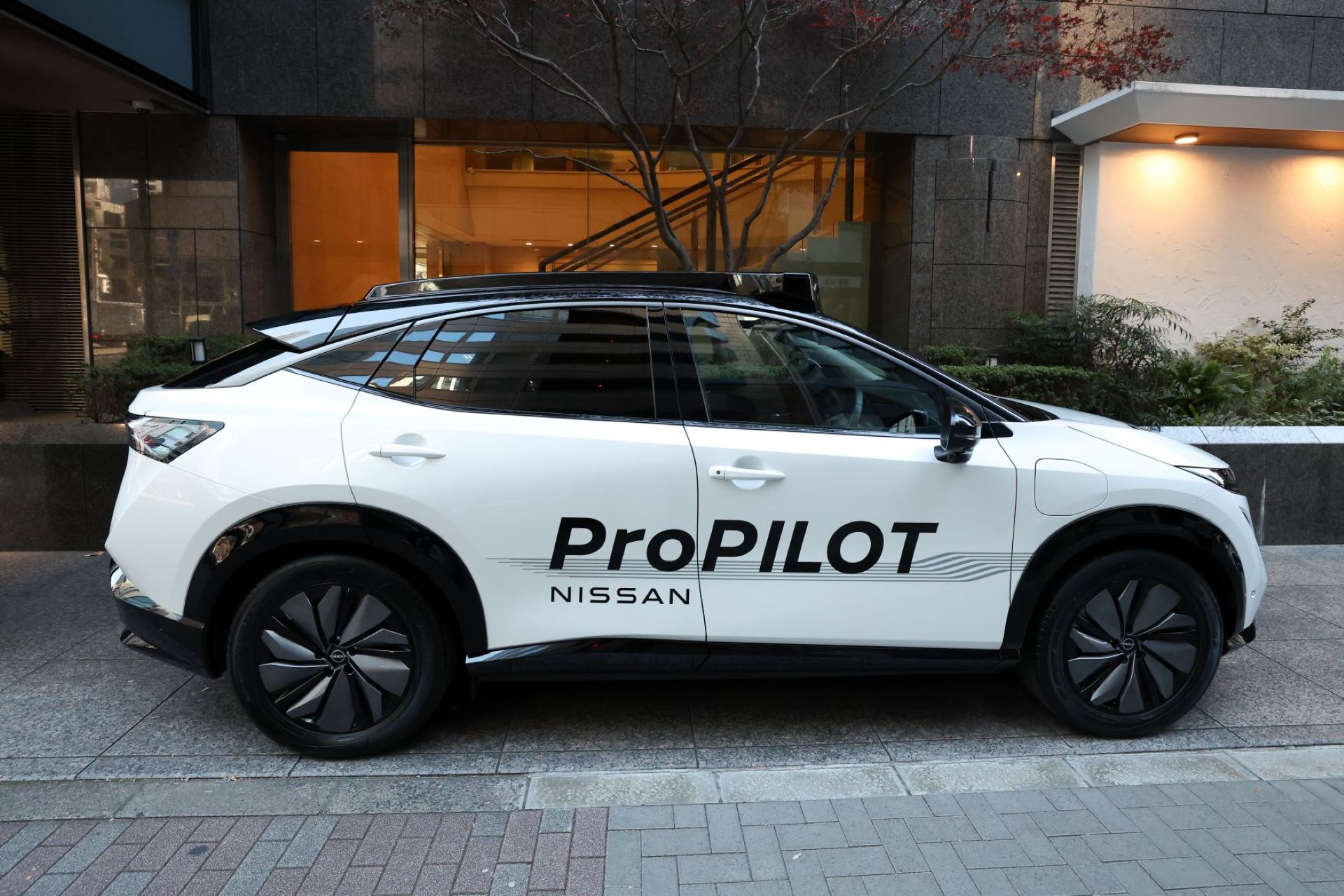
ProPILOT has been available since 2016, with the 2.0 version from 2019 adding multi-lane and hands-off capabilities. Many workshops have already adapted to servicing these earlier systems, but the AI-powered generation represents a substantial technological leap requiring fresh investment in equipment and expertise.
Ivan Espinosa, President and CEO of Nissan Motor Co, Ltd, said the partnership would "deliver safer, more intuitive and more comfortable driving experiences to customers worldwide" whilst accelerating the transition towards an intelligent mobility future.
Alex Kendall, Co-founder and CEO of Wayve, praised Nissan for leading the way among global carmakers by bringing embodied AI towards mass production, adding that the partnership would make next-generation intelligent driving technology accessible to customers worldwide.
The deployment timeline provides the repair industry with a window to develop the capabilities needed for this new generation of intelligent vehicles.
Staff Writer
Reporting from the front lines of the collision repair industry, delivering expert analysis and the technical updates that drive the African automotive sector forward.
More From News

Must Read: Competition Case in Botswana Could Reshape the Regional Repair Market
A Botswana competition case could influence insurer-repairer relationships and reshape vehicle repair markets across Southern Africa.
What drivers should look for when collecting a vehicle after collision repairs
Experts from South African Motor Body Repairers' Association explain how motorists can inspect their vehicle after collision repairs, covering panel gaps, paint finish and functionality checks.
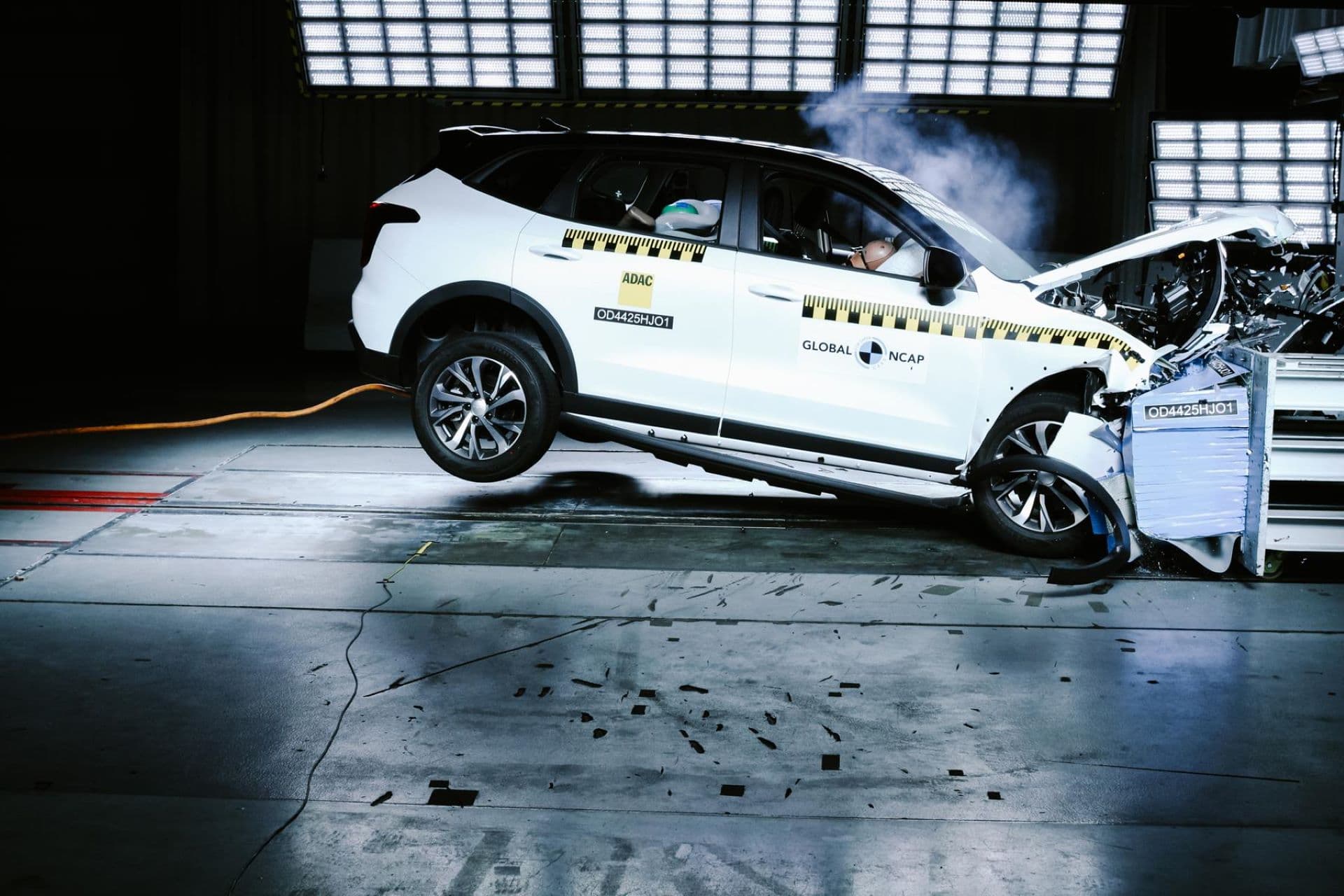
Entry-Level Cars Under Fire in Latest Crash Tests
South Africa’s entry-level cars face scrutiny after GNCAP crash tests reveal poor safety ratings for the Haval Jolion and Kia Sonet, prompting concern.
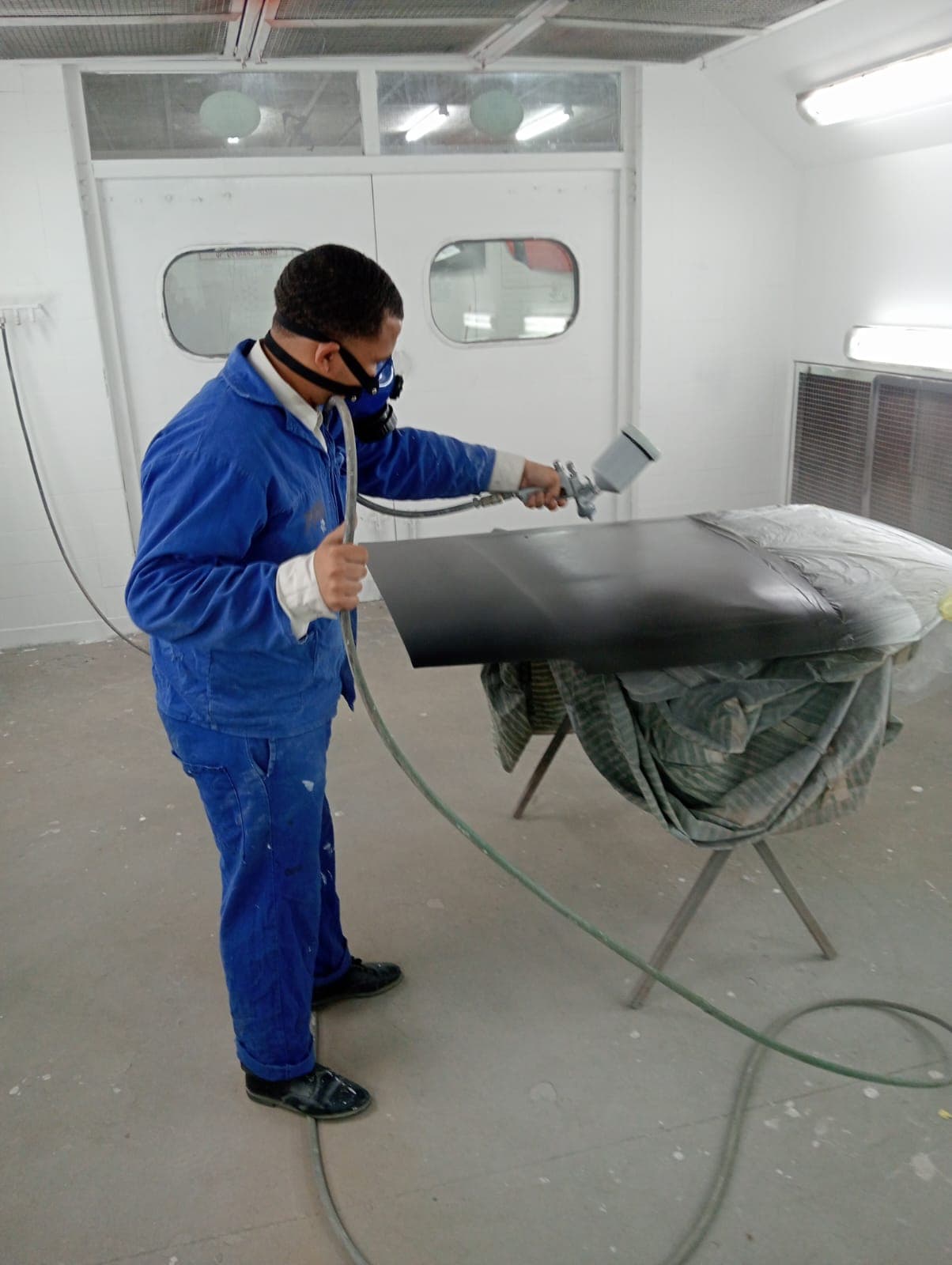
SAMBRA initiative puts young automotive talent in the spotlight
MIWA and SAMBRA host youth automotive competitions in Eastern Cape, offering training, hands-on experience and career pathways for young learners in 2026.
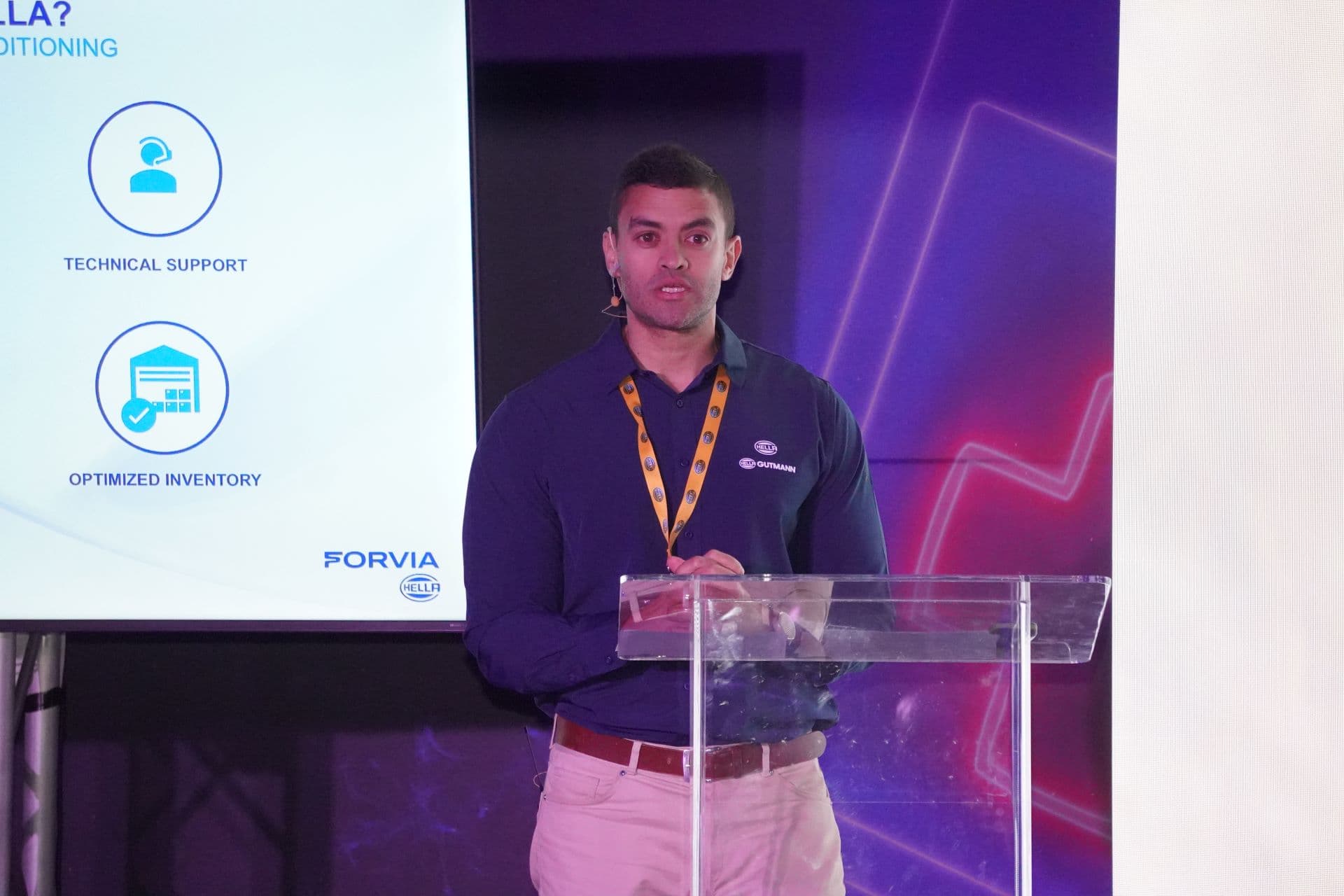
Hella returns to thermal management with long-term aftermarket push
Hella South Africa expands its thermal management range, targeting evolving vehicle technologies with 6,000+ SKUs planned by 2027.
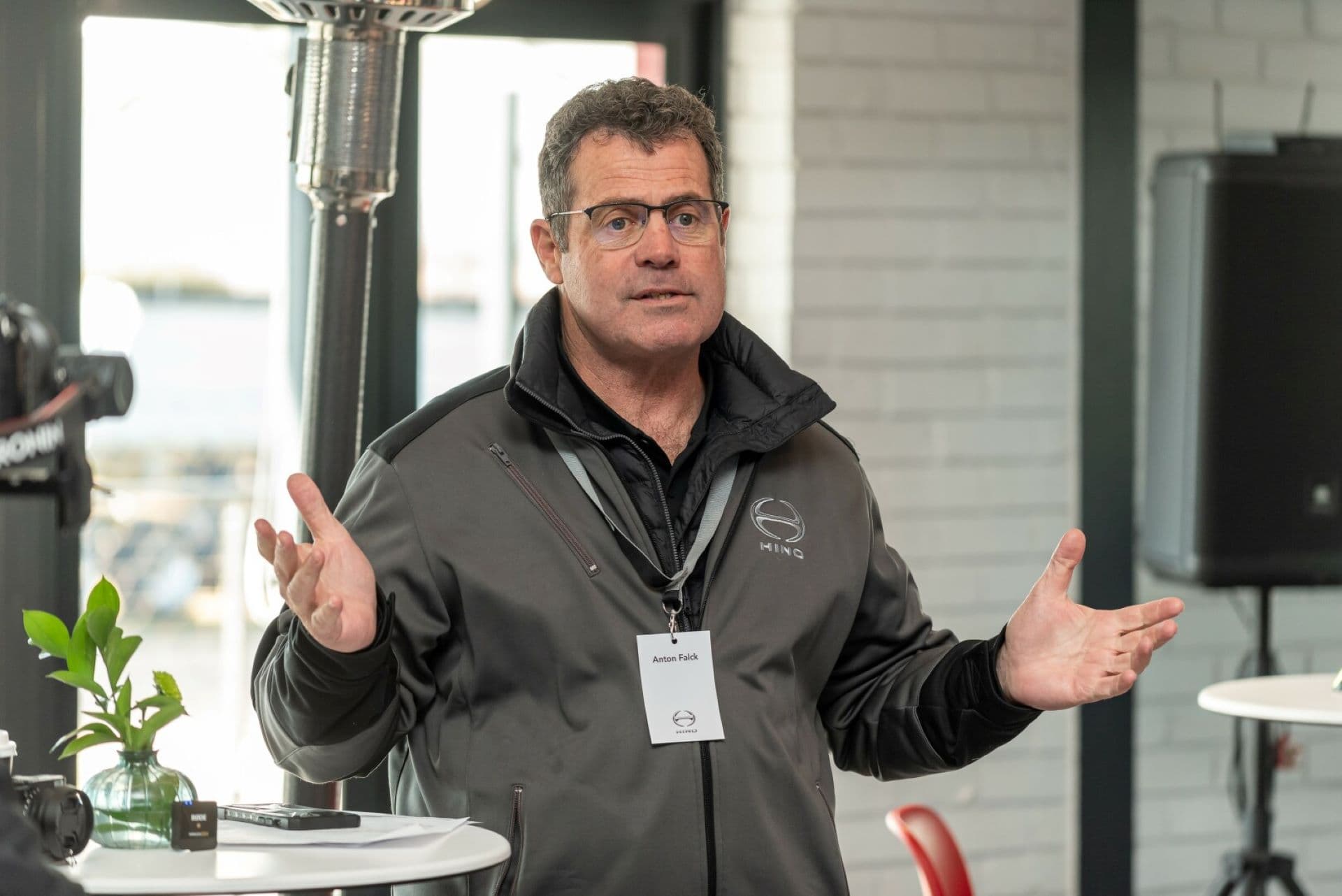
Hino SA Honoured for Aftersales Excellence
Hino South Africa received two global awards for service and parts excellence, reinforcing its leadership in aftersales support.