
Research reveals counterintuitive findings that could impact collision rates and repair volumes
Advanced Driver-Assistance Systems (ADAS) were designed to make roads safer, but new university research suggests some features might actually be creating more work for collision repair shops.
A comprehensive study led by researchers from the University of Texas, City University of Hong Kong, and University of Maryland has uncovered a troubling paradox: whilst some ADAS features reduce risky driving, others appear to encourage it.
The Data Behind the Headlines
The research team analysed driving data from vehicles sold in 2018 and 2019, comparing models with and without various ADAS features. Their focus was on three common systems that collision repair professionals encounter daily: blind spot detection, lane departure warnings, and forward collision warnings.
The results were striking. Blind spot detection systems performed as expected, reducing hard braking incidents by 6.76% and speeding by 9.34%. However, lane departure warnings and forward collision warnings told a different story, correlating with 5.65% more hard braking events and 5.34% more speeding incidents.
Perhaps most concerning for the industry: these negative effects actually worsened over time as drivers became more familiar with the systems.
What This Means for Repair ShopsThese findings have immediate implications for collision repair businesses. As ADAS-equipped vehicles age and drivers adapt to the technology, certain safety features may paradoxically contribute to increased accident rates.
The research suggests that urgent warning systems—those that demand immediate driver response—can trigger what psychologists call "risk compensation behaviour." Essentially, drivers may unconsciously rely on these systems as a safety net, leading to more aggressive driving habits.
Forward collision warnings and lane departure alerts fall into this category. When these systems repeatedly "save" drivers from potential incidents, some may gradually push boundaries, knowing the technology will intervene.
Industry Implications
For collision repair professionals, this research highlights several key considerations:
Calibration Importance: As these systems become more prevalent, proper post-repair calibration becomes even more critical. Drivers are increasingly dependent on ADAS functionality, making accurate system performance essential.
Education Opportunities: Repair shops are uniquely positioned to educate customers about proper ADAS usage during vehicle collection. Understanding how these systems work—and their limitations—could help drivers use them more effectively.
Volume Predictions: Contrary to industry concerns about ADAS reducing collision volumes, this research suggests certain systems might maintain or even increase minor incident rates, particularly as the technology proliferates.

Looking Ahead
The study's lead researcher, Professor Ashish Agarwal, suggests manufacturers should reconsider how warning systems are designed. Rather than urgent alerts that trigger reactive responses, future systems might incorporate delays or repeated warnings to encourage more thoughtful driver behaviour.
For collision repair shops, the message is clear: ADAS technology isn't making vehicles accident-proof. Instead, it's creating a more complex landscape where understanding both the technology and human psychology becomes crucial for predicting industry trends.
As these systems become standard equipment rather than premium features, collision repair professionals will need to stay current with both the technical aspects of ADAS and the behavioural patterns they create on the road.
Staff Writer
Reporting from the front lines of the collision repair industry, delivering expert analysis and the technical updates that drive the African automotive sector forward.
More From Motoring

Technology Bundles Deliver Major Safety Gains, New Analysis Shows
A growing body of evidence suggests that modern driver assistance technologies are significantly reducing road crashes, and new research into...
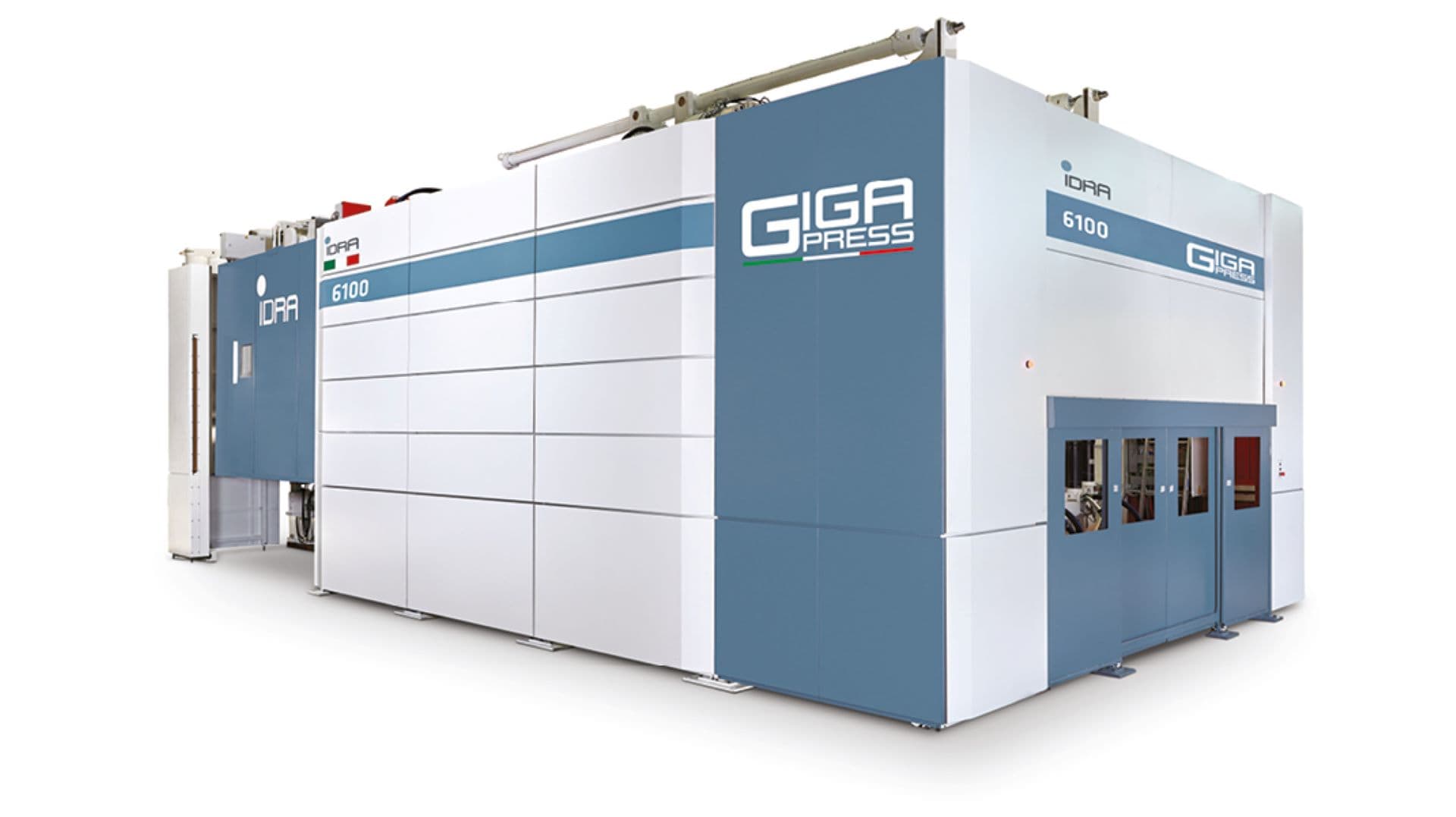
How Ford’s Shift to Megacasting Could Influence Vehicle Repair Costs
Ford Motor Company is planning to replace complex assemblies with giant, single-piece aluminium castings for its upcoming electric pickup. The...
The 9th Festival of Motoring is Here
The iconic Kyalami Grand Prix Circuit will once again come alive from 28–30 August 2026 as the Festival of Motoring (FoM), powered by WesBank...

Agibot Sets Its Sights on Europe as Humanoid Robot Competition Heats Up
Chinese robotics firm Agibot is accelerating its global expansion with a major push into Europe, partnering with automotive supplier Minth Group...
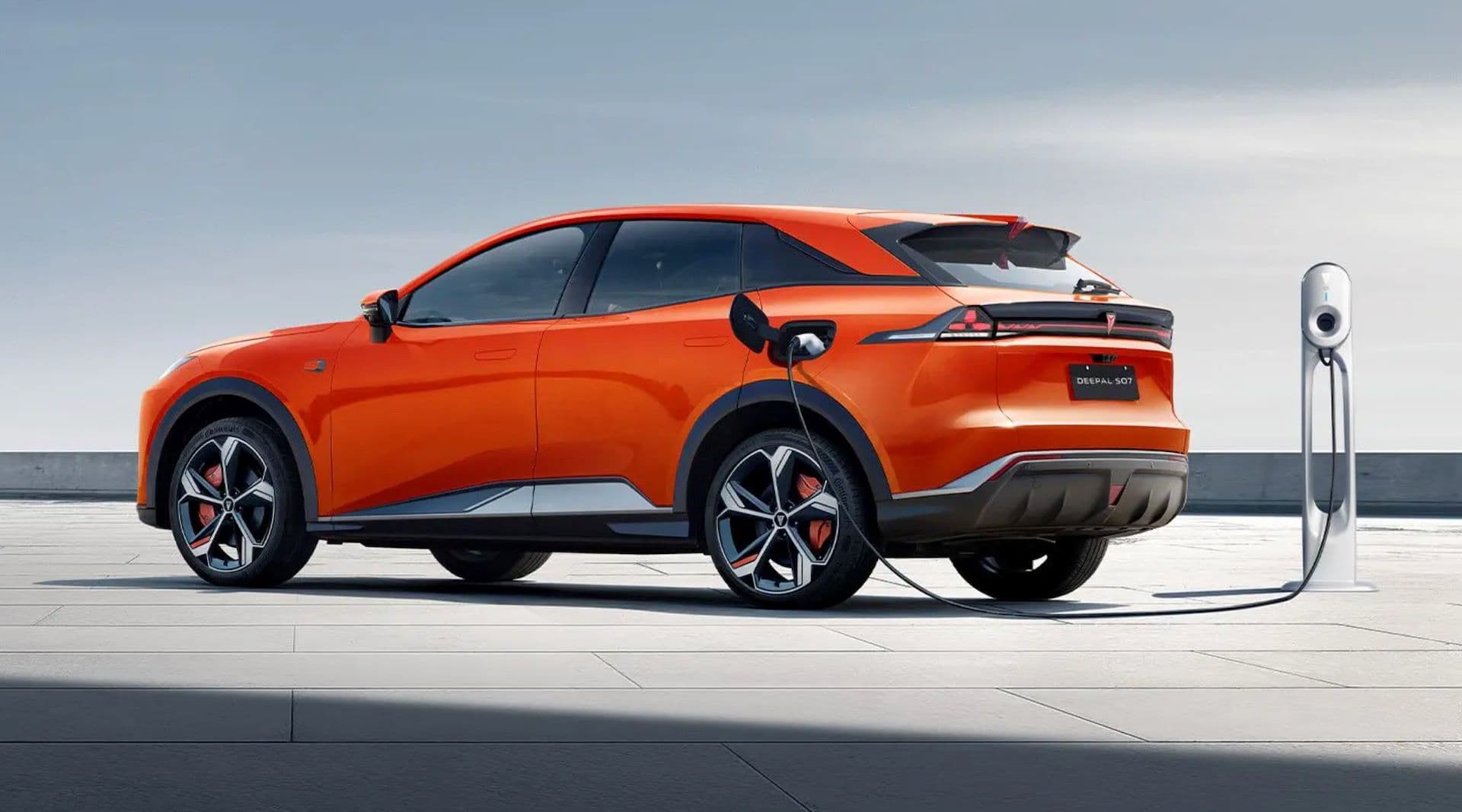
South Africa Embraces the New Era of Automotive Brands
South Africa’s automotive industry is undergoing a profound transformation. While traditional marques remain familiar and trusted, a growing...
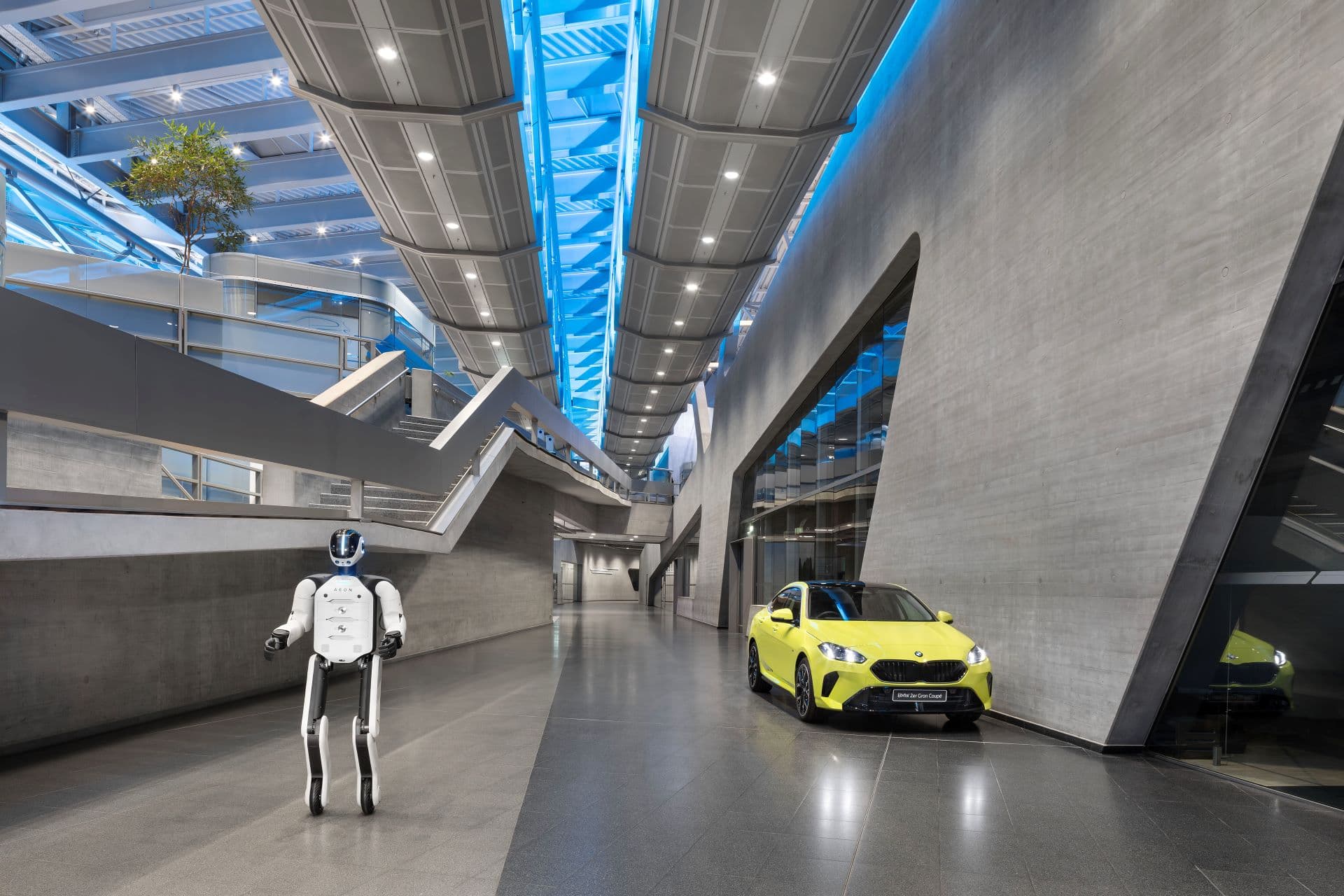
BMW Expands Physical AI Innovation with New Leipzig Robotics Pilot
The BMW Group is strengthening its position as a leader in intelligent manufacturing with the launch of a new pilot project using humanoid robots...