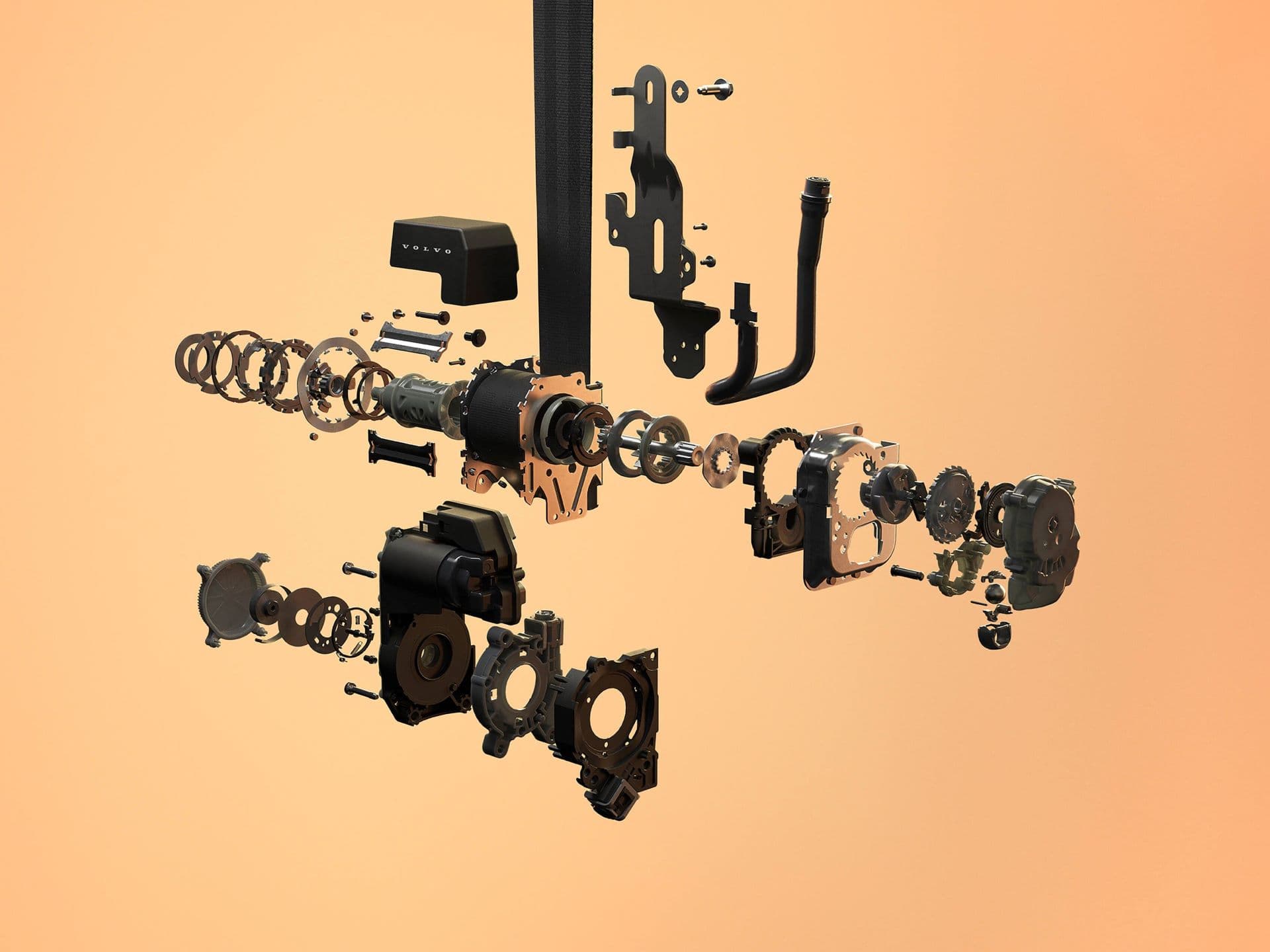
Volvo Cars’ new multi-adaptive safety belt, recently named by TIME magazine as one of 2025’s Best Inventions, represents a major step forward in intelligent occupant protection systems. The innovation will premiere in the upcoming fully electric EX60 SUV.
Building on the legacy of Nils Bohlin’s 1959 three-point seatbelt, Volvo’s latest development integrates complex data from multiple sensor networks. The system analyses occupant characteristics such as height, body mass and seating position, along with vehicle dynamics and external conditions, to deliver optimised belt performance in real time.
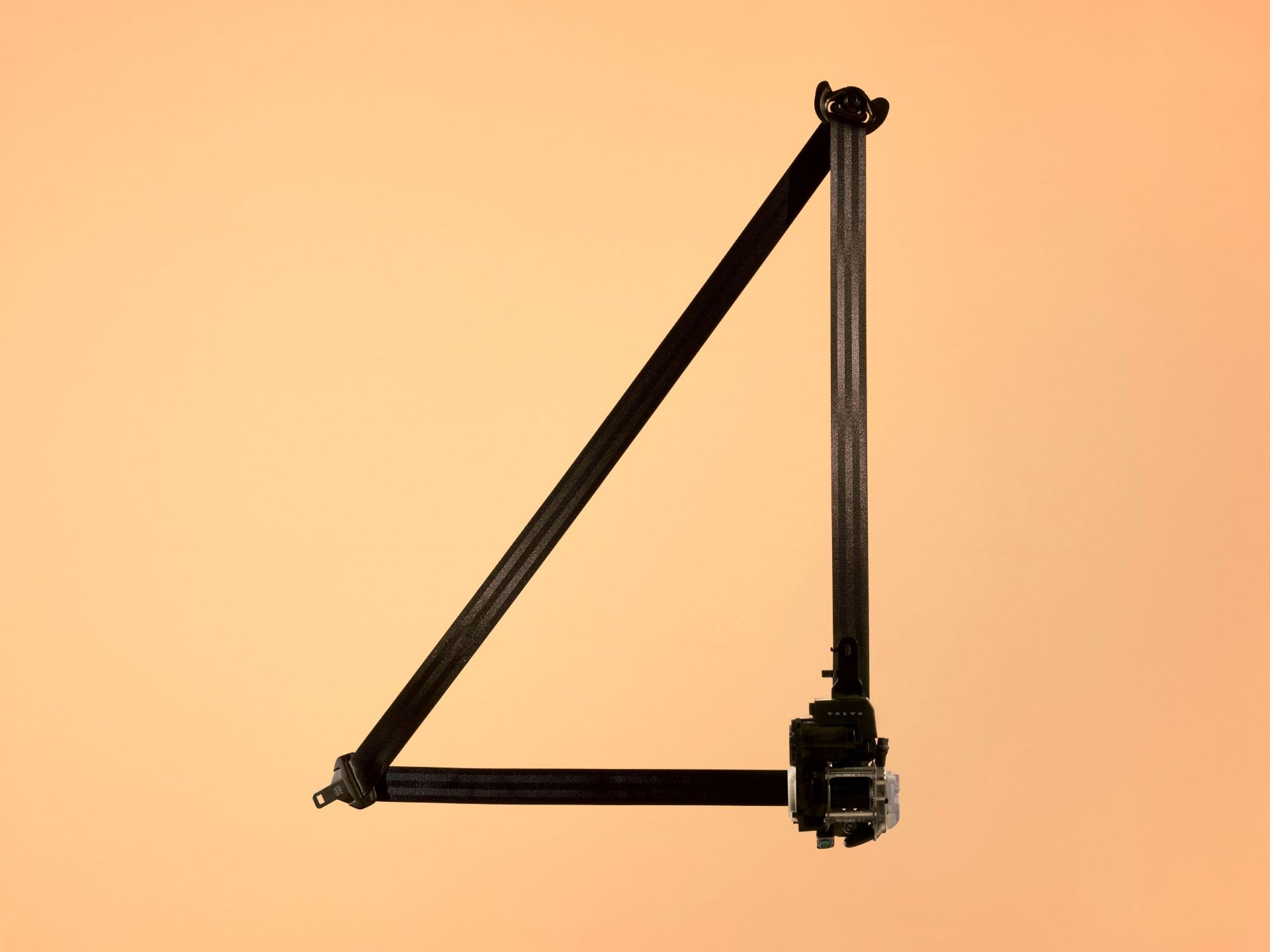
In practical terms, the adaptive load management adjusts the restraint force depending on the severity of the impact and the individual profile of each occupant. For instance, a heavier person in a high-energy crash receives greater tension, while a smaller person in a low-impact collision experiences a softer load, helping to reduce rib and soft tissue injuries.
Volvo engineers designed the system architecture to evolve through continuous software updates. Machine learning enables the vehicle to refine response algorithms as more crash and behaviour data become available.
The new system underscores Volvo’s commitment to blending hardware engineering with predictive data modelling to enhance real-world safety. It will make its debut on the EX60 during a global online launch from Stockholm in January 2026.
Staff Writer
Reporting from the front lines of the collision repair industry, delivering expert analysis and the technical updates that drive the African automotive sector forward.
More From News
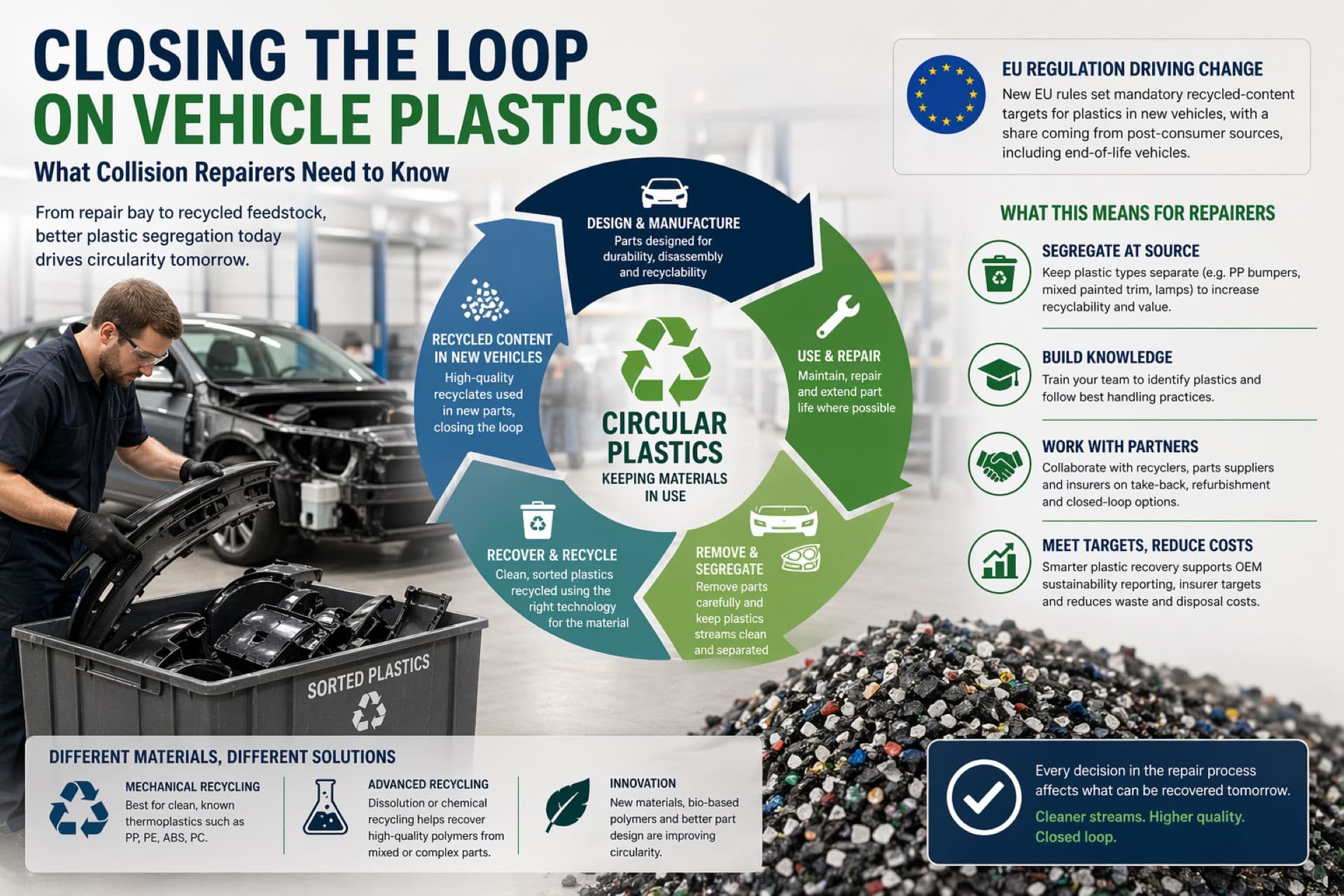
Closing the Loop on Vehicle Plastics: What Collision Repairers Need to Know
New EU rules are pushing vehicle makers and repairers toward plastics circularity, with rising recycled content targets and better end-of-life recovery

Zimbabwe Delegation Explores BAIC’s Role in Regional Automotive Growth
Zimbabwe’s automotive leaders visit BAIC South Africa to explore manufacturing, skills development, and regional industry collaboration.
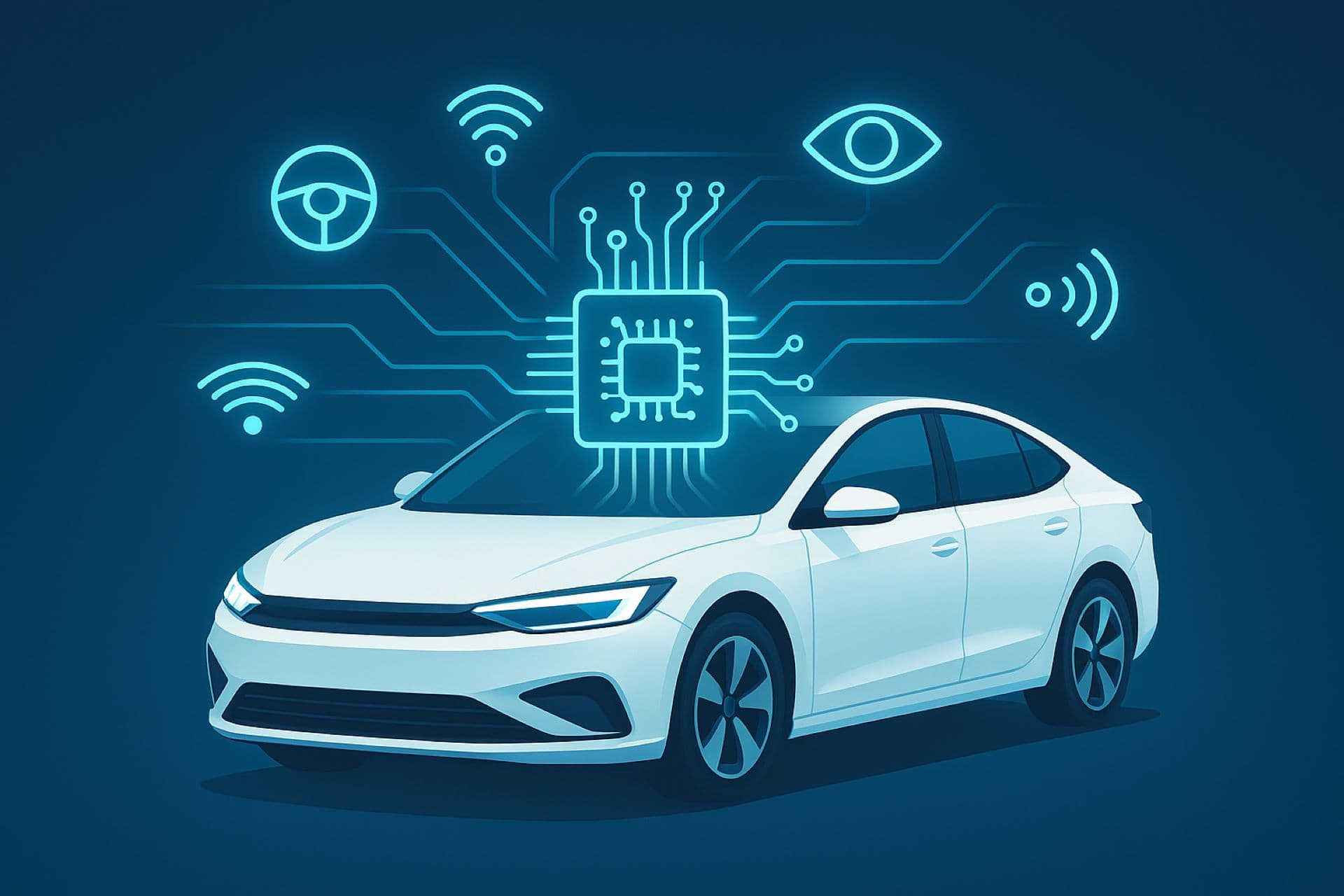
What are SDVs and what do they mean for collision repair?
Software defined vehicles, or SDVs, are vehicles in which software rather than fixed hardware determines how most systems operate. Functions such...

Fuel price shock prompts insurer action to support South Africa’s repairers
South Africa’s motor body repair sector is under growing strain as sharp fuel price increases push operating costs higher, prompting some insurers...
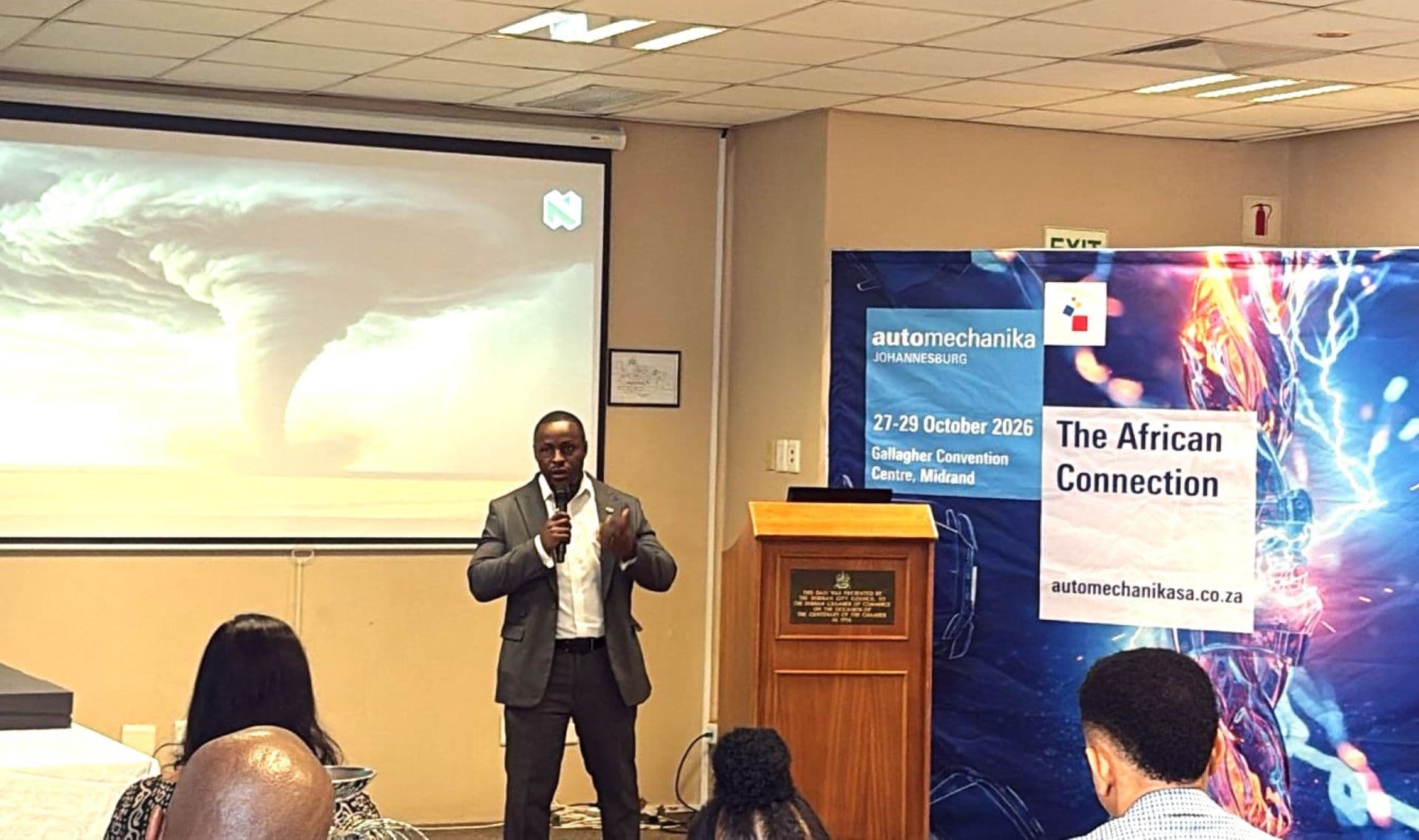
KwaZulu-Natal’s Automotive Momentum looked at
Durban’s Automechanika CEO Breakfast highlighted KZN’s rising automotive role, export growth and EV investment, plus aftermarket development.

We Buy Cars Drives Youth Employment
South Africa’s challenge of youth unemployment remains pressing, but targeted initiatives are beginning to show tangible results. We Buy Cars, in...