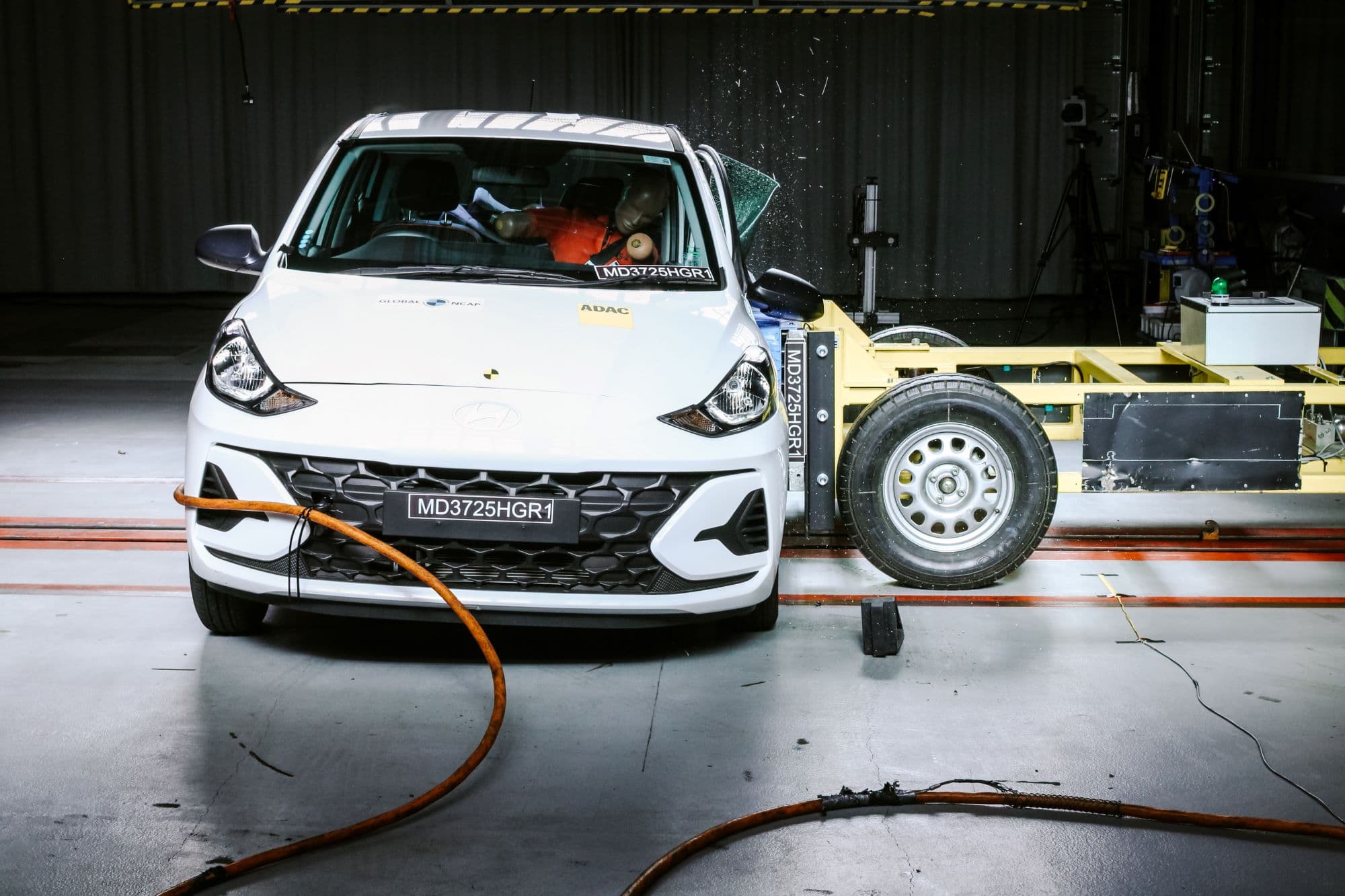
The Automobile Association of South Africa (AA) has moved to clarify its position within the Global NCAP Safer Cars for Africa programme following the release of crash test results that placed the Hyundai Grand i10 at a zero-star adult occupant safety rating.
The outcome has drawn strong reactions from vehicle owners and industry stakeholders, including those within the automotive repair sector.
As one of South Africa’s best-selling passenger vehicles in 2025, the Grand i10’s poor safety performance has highlighted the growing importance of understanding structural integrity and occupant protection beyond basic roadworthiness. The AA confirmed it has received numerous questions, particularly around why it does not intervene directly in the sale of vehicles with weak safety ratings.
The AA reiterated that it has no regulatory authority and cannot ban or endorse specific models. Its responsibility lies in publishing independent crash test results and providing objective information to the public. This transparency, the organisation notes, has historically driven manufacturers to either withdraw unsafe vehicles or upgrade safety specifications.
For the auto repair industry, the AA’s clarification underscores the difference between legal compliance and real-world crash protection. A vehicle may be mechanically sound and legally roadworthy yet still perform poorly in occupant protection during a collision.
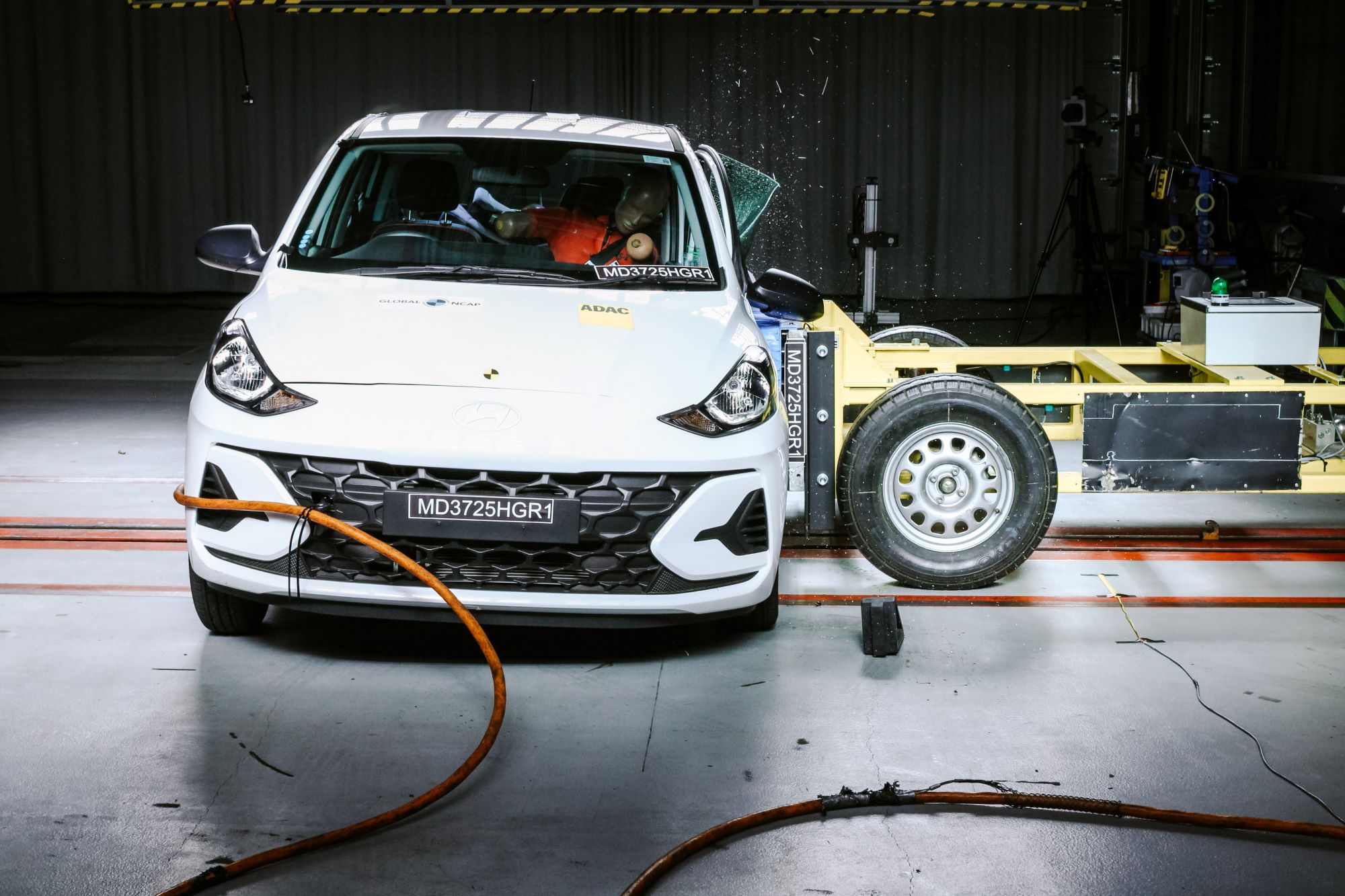
The AA emphasises that NCAP ratings do not determine whether a vehicle may be driven but rather indicate how effectively it protects occupants when accidents occur.
The association advises owners of poorly rated vehicles to consider moving to safer models where circumstances allow. It also acknowledges that many owners will continue using their vehicles, placing greater responsibility on repair professionals to ensure that all safety related components are correctly maintained to manufacturer standards.
The AA also explained why the range of tested vehicles remains limited. Each crash test requires significant financial investment and complex logistics, including the purchase of vehicles and overseas testing. High volume and higher risk models are therefore prioritised.
The #SaferCarsForAfrica programme, launched in 2017, continues to assess entry level vehicles sold across African markets.
The AA concluded by confirming its intention to establish an Africa NCAP programme in the future, reinforcing the growing relevance of safety awareness across the automotive value chain, including repair and maintenance professionals.
Staff Writer
Reporting from the front lines of the collision repair industry, delivering expert analysis and the technical updates that drive the African automotive sector forward.
More From News

Must Read: Competition Case in Botswana Could Reshape the Regional Repair Market
A Botswana competition case could influence insurer-repairer relationships and reshape vehicle repair markets across Southern Africa.
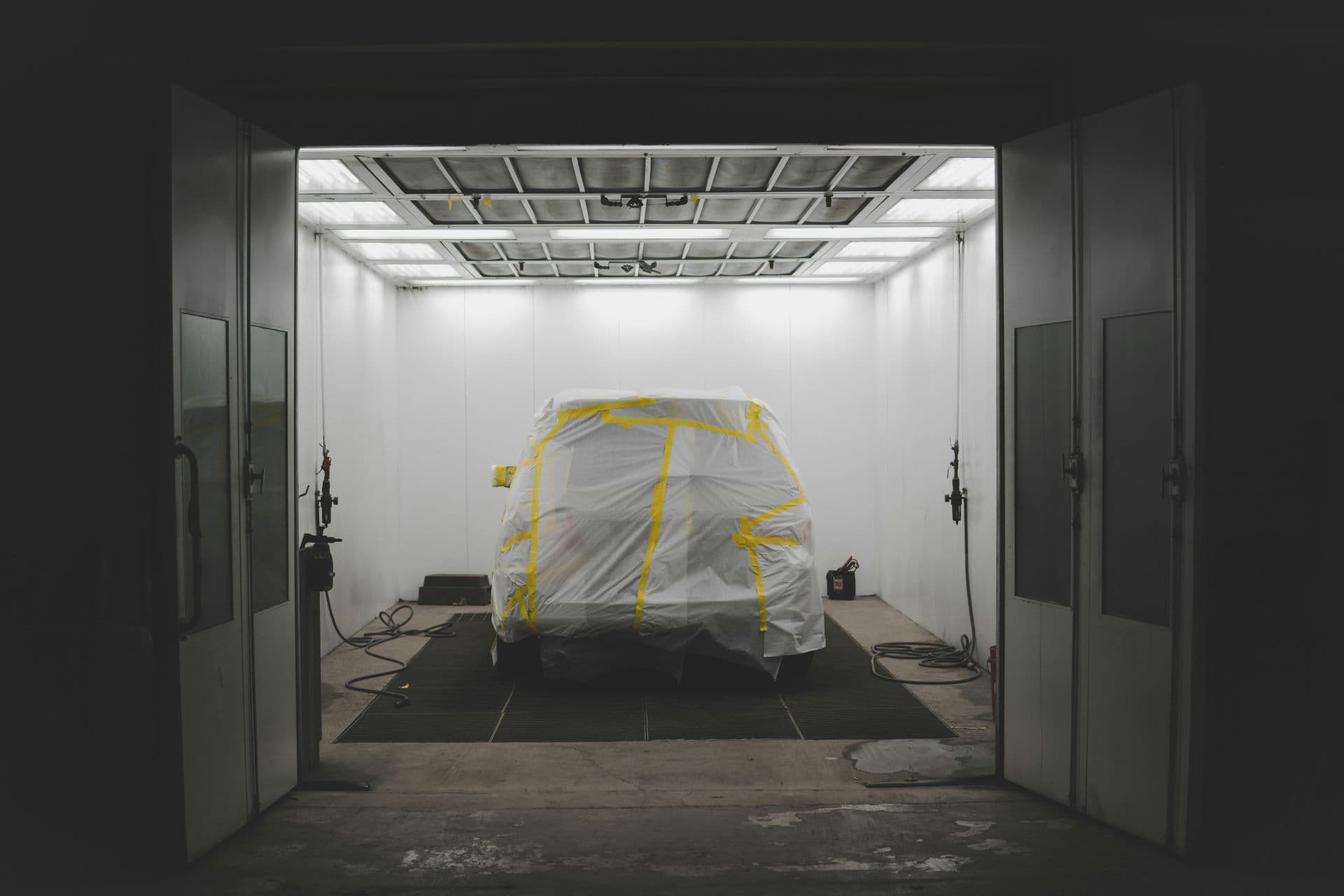
What drivers should look for when collecting a vehicle after collision repairs
Experts from South African Motor Body Repairers' Association explain how motorists can inspect their vehicle after collision repairs, covering panel gaps, paint finish and functionality checks.
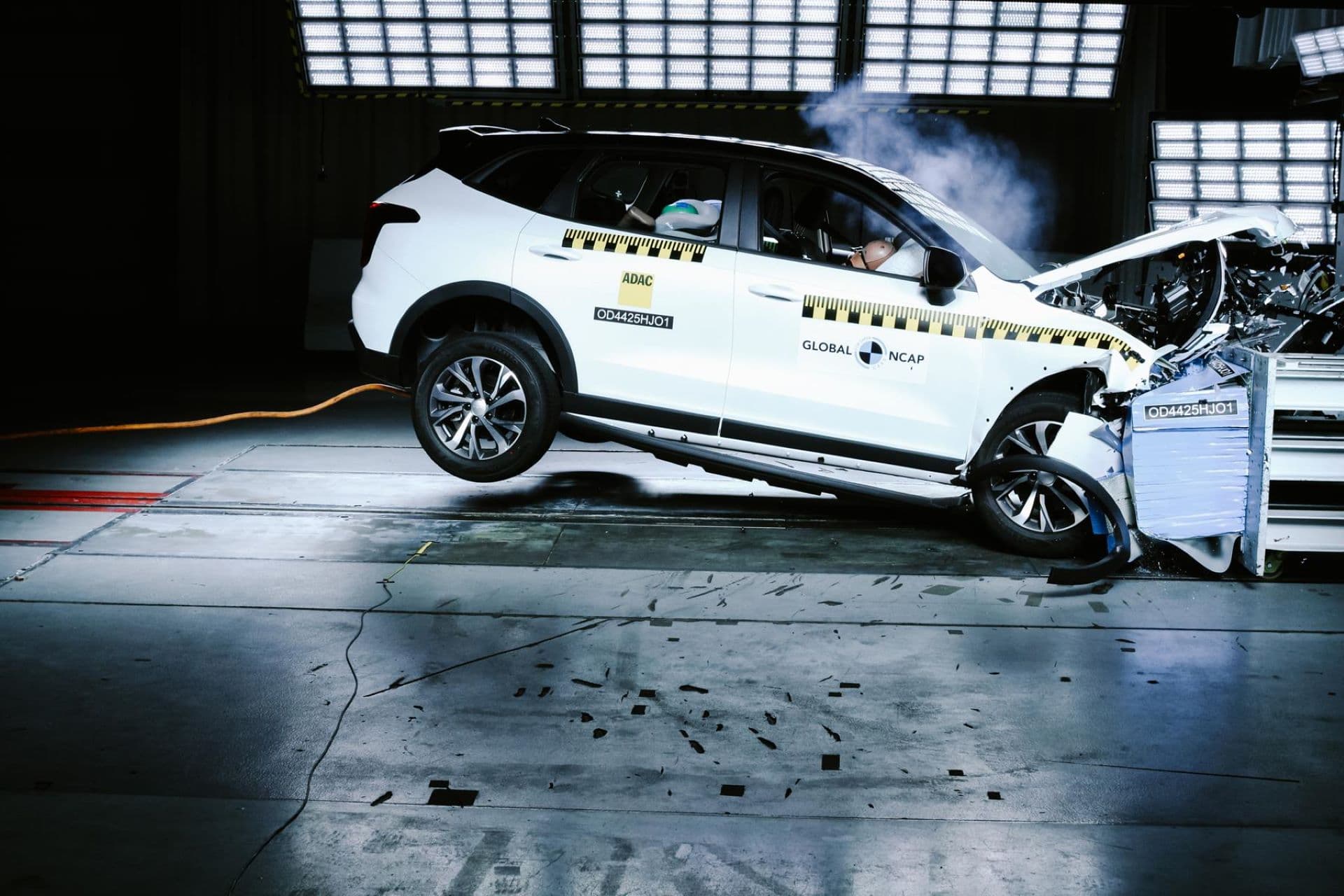
Entry-Level Cars Under Fire in Latest Crash Tests
South Africa’s entry-level cars face scrutiny after GNCAP crash tests reveal poor safety ratings for the Haval Jolion and Kia Sonet, prompting concern.
SAMBRA initiative puts young automotive talent in the spotlight
MIWA and SAMBRA host youth automotive competitions in Eastern Cape, offering training, hands-on experience and career pathways for young learners in 2026.
Hella returns to thermal management with long-term aftermarket push
Hella South Africa expands its thermal management range, targeting evolving vehicle technologies with 6,000+ SKUs planned by 2027.
Hino SA Honoured for Aftersales Excellence
Hino South Africa received two global awards for service and parts excellence, reinforcing its leadership in aftersales support.